

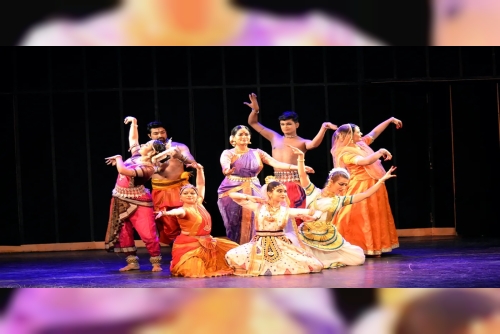
India, known for its diverse cultural heritage, boasts a treasure trove of classical dance forms that have been preserved and passed down through generations. These dance forms are not only a medium of artistic expression but also a profound reflection of Indian mythology, spirituality, and history. The 8 classical dances of India hold a special place in this cultural tapestry, each with its unique style, music, gestures, and storytelling techniques. In this article, we delve into the forms of classical dance, their significance, and the traditional classical dance dress that accompanies these mesmerizing performances.
Understanding Indian Classical Dances
Indian classical dances are deeply rooted in the ancient text called the Natya Shastra, written by the sage Bharata. This treatise lays down the principles of dance, drama, and music that form the foundation of all classical dance forms in India. These dances are characterized by intricate hand gestures (mudras), facial expressions (abhinaya), rhythmic footwork, and graceful body movements that narrate mythological tales or depict devotional themes.
Each classical dance form belongs to a particular region and language group of India but shares the common goal of storytelling through dance, making it a spiritual and cultural experience for both performers and audiences.
The 8 Classical Dances of India
The Government of India officially recognizes eight classical dances as embodying the country’s rich dance heritage. These include Bharatanatyam, Kathak, Kathakali, Kuchipudi, Manipuri, Odissi, Sattriya, and Mohiniyattam.
BharatanatyamOriginating in Tamil Nadu, Bharatanatyam is one of the oldest classical dance forms. Known for its fixed upper torso, bent legs, intricate footwork, and expressive hand gestures, it often narrates stories of Hindu gods like Shiva, Vishnu, and Krishna. Kathak
From North India, Kathak is distinguished by its swift spins, intricate footwork adorned with bells, and dramatic facial expressions. It evolved from storytelling traditions and incorporates influences from Mughal culture, blending Hindu and Islamic aesthetics. Kathakali
Hailing from Kerala, Kathakali is a dance-drama famous for its elaborate costumes, vibrant makeup, and dramatic storytelling of epics like the Ramayana and Mahabharata. Performers use vivid facial expressions and eye movements to portray characters. Kuchipudi
Originating in Andhra Pradesh, Kuchipudi combines fast rhythms and fluid movements with lyrical storytelling. It includes both dance and acting, often performed as a solo recital with expressive gestures. Manipuri
From the northeastern state of Manipur, this dance is soft, graceful, and lyrical. It often depicts stories related to the life of Lord Krishna, with flowing movements and delicate hand gestures. Odissi
Odissi from Odisha is known for its sculpturesque poses and lyrical grace. Its distinctive features include the tribhanga posture (a three-bend pose) and expressive storytelling through hand gestures and facial expressions. Sattriya
Originating from Assam, Sattriya is a dance form tied closely to Vaishnavism and monastic culture. It combines narrative dance with devotional elements, performed traditionally in monasteries called Sattras. Mohiniyattam
Another classical dance from Kerala, Mohiniyattam is characterized by gentle, swaying movements and feminine grace. It tells stories mainly related to the goddess Mohini, an avatar of Vishnu.
Forms of Classical Dance and Their Cultural Significance
Each form of classical dance in India is a living tradition that connects performers to ancient narratives and spiritual themes. These dances serve as a medium for devotion and meditation, making the act of performance a sacred ritual. Beyond entertainment, they educate audiences about mythological stories, ethical values, and cultural history.
Moreover, these classical dance forms are a testament to India’s regional diversity and artistic richness. Despite differences in style, rhythm, and presentation, all forms share a commitment to precision, discipline, and emotive storytelling.
Classical Dance Dress: The Visual Splendor
One cannot talk about Indian Classical Dance without mentioning the iconic classical dance dress that enhances the visual appeal of performances. Each dance form has its traditional attire that complements its style and regional identity.
Bharatanatyam dancers wear brightly colored silk sarees with elaborate gold borders, jewelry, and a distinctive headpiece. Kathak performers typically wear long flowing skirts or churidars with an embroidered dupatta. Kathakali costumes are among the most elaborate, featuring thick skirts, heavy makeup, and towering headgear. Kuchipudi dancers don ornate silk sarees with traditional jewelry. Manipuri attire includes flowing skirts and veils, reflecting the soft and graceful movements. Odissi costumes involve silver jewelry and stitched sarees that allow flexibility. Sattriya dancers wear traditional Assamese attire with simpler jewelry. Mohiniyattam performers don white or off-white sarees with gold borders symbolizing purity and grace.Types of Classical Dance and Their Modern Relevance
The types of classical dance in India have not only survived centuries but continue to thrive and evolve in contemporary times. They are performed in cultural festivals, dance academies, and theaters worldwide, attracting audiences eager to experience India’s artistic heritage.
Modern dancers often blend traditional techniques with innovative choreography, bringing new life to classical narratives while preserving authenticity. Many young artists dedicate themselves to mastering these dance forms, ensuring that the rich legacy of Indian classical dances remains vibrant and relevant.
Conclusion
Indian classical dances, through their diversity and depth, represent the soul of India’s cultural identity. The 8 classical dances of india are more than just art forms; they are living traditions that celebrate history, spirituality, and human emotion. Whether it is the rhythmic footwork of Kathak or the expressive abhinaya of Bharatanatyam, each form invites audiences on a journey through myth, devotion, and beauty. Complemented by exquisite classical dance dresses, these dances continue to enchant and inspire generations across the globe.