


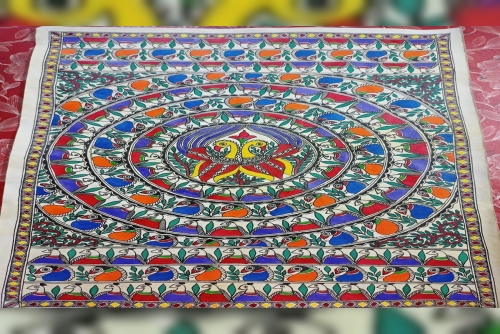
Madhubani painting, also known as Mithila painting, is one of the most celebrated forms of Traditional Indian art, known for its vibrant colors, intricate patterns, and deep cultural roots. Originating in the Mithila region of Bihar, this art form has transcended centuries, carrying with it the spirit and traditions of Indian heritage. Today, Madhubani art is not only a symbol of aesthetic beauty but also a powerful representation of folk storytelling, spirituality, and social values.
Origins and Historical Significance
The origins of Madhubani painting can be traced back to ancient times. It is believed that King Janaka of Mithila commissioned artists to create these paintings during the wedding of his daughter Sita to Lord Rama. Over time, this art form evolved into a deeply embedded cultural practice among the women of Mithila, who used it to decorate the walls and floors of their homes. The old Madhubani painting tradition was largely a domestic ritual art, passed down orally and through practice, generation after generation.
Initially, Madhubani paintings were created on mud walls using natural dyes and pigments derived from plants, flowers, and minerals. Brushes were often fashioned from twigs, fingers, or matchsticks. These early paintings focused on themes such as Hindu deities (like Krishna, Rama, Shiva, and Durga), nature, fertility, love, and local folklore. The paintings were not merely decorative; they were spiritual offerings and expressions of devotion, joy, and social values.
Style and Techniques
Madhubani painting is characterized by its intricate line work, use of bold natural colors, and detailed geometric patterns. There are five distinct styles within this art form: Bharni, Kachni, Tantrik, Godna, and Kohbar. Each style has its own significance and thematic focus, often influenced by the community and caste of the artist.
One of the most captivating aspects of Madhubani art is its visual storytelling. Every motif—be it a peacock, fish, lotus, or the sun—holds symbolic meaning. For instance, fish signify fertility and prosperity, while the lotus represents purity and spiritual awakening. These symbols are carefully woven into the narratives depicted on canvas or walls, making every beautiful Madhubani painting a tapestry of myth, tradition, and emotion.
From Walls to Canvas
Traditionally, Madhubani paintings were created directly on the walls of village homes, leading to the term Madhubani wall painting. However, in the mid-20th century, this art form found a new lease on life when it was discovered by the outside world during a severe drought in Bihar in the 1960s. Artists were encouraged to transfer their work from walls to paper and canvas, enabling wider recognition and commercial viability.
This transition allowed the art form to reach national and international platforms. It is now practiced not only in Bihar but also by artists across India and beyond. The movement from old Madhubani painting traditions to modern interpretations has not diluted the essence of the art; instead, it has allowed for creative freedom and innovation while preserving its core motifs and values.
Madhubani in Modern Times
In contemporary settings, Madhubani art has expanded beyond paintings to include home décor, fashion, and digital media. From sarees and handbags to murals and interior designs, Madhubani wall painting has become a popular aesthetic choice for those looking to blend tradition with modernity. Educational institutions, hotels, and offices are increasingly incorporating this art form into their designs to add a touch of cultural richness.
Moreover, initiatives by the Indian government and NGOs have empowered Madhubani artists, especially women, providing them with platforms to showcase their talent and gain economic independence. International exhibitions, workshops, and online marketplaces have brought global attention to beautiful Madhubani painting, turning it into both a cultural treasure and a sustainable livelihood for thousands of artisans.
Preserving the Legacy
Despite its growing popularity, Madhubani painting faces challenges such as commercialization, imitation, and fading traditional knowledge. Efforts to document and teach authentic techniques are crucial to preserving its legacy. Art schools, cultural organizations, and local communities play a pivotal role in ensuring that the spirit of Traditional Indian art continues to thrive through Madhubani.
In conclusion, Madhubani painting is more than just a visual art form—it is a vibrant, living tradition that captures the soul of rural India. Whether it’s an old Madhubani painting on a village wall or a contemporary piece on a gallery wall, each artwork carries the timeless beauty and profound meaning that make Madhubani art a jewel in India's cultural crown.