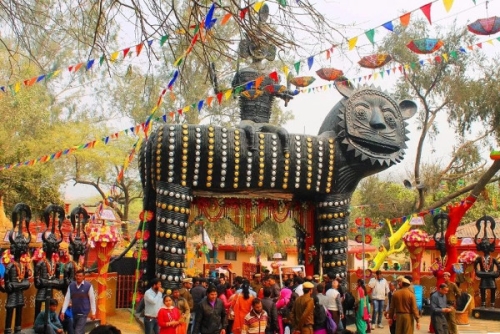



India is a land steeped in history, tradition, and diverse cultural expressions. From ancient temples and grand palaces to natural wonders and archaeological marvels, the country’s legacy is vast and rich. This extraordinary heritage is internationally recognized through several sites designated as UNESCO World Heritage Sites in India. These sites are part of a global effort to preserve and protect landmarks of outstanding cultural and natural significance for future generations. Understanding the importance of these sites also requires a deeper insight into UNESCO's meaning and goals.
UNESCO: Its Meaning and Mission
UNESCO stands for the United Nations Educational, Scientific and Cultural Organization, established in 1945. The organization aims to promote global peace and security by fostering international collaboration in education, science, and culture. A central aspect of UNESCO’s work is the identification, protection, and preservation of the world’s cultural and natural heritage, which is deemed to have "outstanding universal value" to humanity.
The primary UNESCO goals related to heritage sites include promoting cultural diversity, fostering intercultural dialogue, and protecting monuments, buildings, and natural landscapes from neglect, decay, or destruction. The World Heritage Committee, under UNESCO, evaluates and inscribes selected sites to the World Heritage List after rigorous scrutiny based on criteria such as historical significance, architectural uniqueness, ecological importance, and authenticity.
India’s Contribution to the Global Heritage Landscape
India is among the countries with the highest number of UNESCO-recognized heritage sites. As of 2025, India has 42 sites on the World Heritage List, which includes both cultural and natural properties. These India heritage sites by UNESCO are a testimony to the country's rich history, spiritual traditions, architectural achievements, and ecological variety.
Cultural Heritage Sites in India
The majority of UNESCO World Heritage Sites in India fall under the cultural heritage sites in India category. These sites reflect the country's artistic traditions, religious philosophies, and socio-political evolution over centuries.
1. Taj Mahal, Agra
Perhaps the most iconic of all Indian monuments, the Taj Mahal was designated a World Heritage Site in 1983. Built by Mughal Emperor Shah Jahan in memory of his wife Mumtaz Mahal, this white marble mausoleum is globally admired for its architectural perfection and symbolic representation of eternal love.
2. Khajuraho Group of Monuments, Madhya Pradesh
Known for their intricate erotic carvings and Nagara-style architecture, the temples of Khajuraho represent a fusion of spirituality and artistry. These temples, built between 950 and 1050 CE, are a significant part of India’s medieval heritage.
3. Ajanta and Ellora Caves, Maharashtra
These rock-cut caves are among the finest examples of ancient Buddhist, Hindu, and Jain art. With elaborate frescoes, sculptures, and monasteries, the caves serve as a visual narrative of Indian religious and cultural traditions from the 2nd century BCE to the 6th century CE.
4. Red Fort Complex, Delhi
An exemplary symbol of Mughal power, the Red Fort was the political heart of the empire and later a symbol of India’s independence. Its majestic walls, audience halls, and ornamental gardens showcase Indo-Islamic architecture at its finest.
5. Sun Temple, Konark
This 13th-century temple, shaped like a giant chariot dedicated to the Sun God Surya, exemplifies ancient Indian temple architecture and engineering skills.
Natural and Mixed Heritage Sites
While cultural sites dominate the list, UNESCO also acknowledges natural heritage sites such as the Western Ghats, Kaziranga National Park, and the Sundarbans. These ecosystems are essential for biodiversity conservation and are integral to local communities and traditional knowledge systems.
Some sites like Khangchendzonga National Park in Sikkim are classified as mixed heritage sites, recognizing both cultural and natural significance. The park, home to the world’s third-highest mountain, embodies the spiritual beliefs of the indigenous people and is revered in local mythology.
The Role of UNESCO Recognition
When a site is inscribed as a UNESCO World Heritage Site, it not only receives international recognition but also gains access to global support for conservation and restoration. This status elevates the site’s visibility, leading to increased tourism, economic development, and academic interest. However, it also places a responsibility on the host country to maintain and protect the site as per UNESCO's standards.
India’s commitment to preserving its past is reflected in its active engagement with UNESCO. The UNESCO World Heritage Sites India are not just tourist attractions—they are enduring symbols of civilization, resilience, and collective memory.
Conclusion
The inclusion of India heritage sites by UNESCO on the World Heritage List serves as a reminder of the nation’s rich cultural and natural tapestry. It also underscores the broader UNESCO goals of safeguarding heritage for future generations. As custodians of this legacy, it is essential for both the government and citizens to cherish, protect, and celebrate these sites. After all, in preserving heritage, we preserve the soul of a civilization.


 Furnished 3 Bedroom Apartment for Rent with Premium Services in Bashundhara R/A