


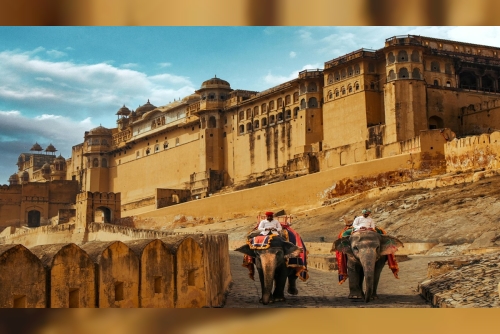
Rajasthan, often referred to as the Land of Kings, is a majestic state in northwestern India that beckons travelers with its rich history, vibrant culture, and awe-inspiring architecture. Drenched in stories of valor, romance, and opulence, Rajasthan has been the cradle of mighty Rajput warriors whose legacy still lives on through the grand forts and palaces that dominate its landscape.
Among the numerous attractions that dot this desert kingdom, the forts and palaces stand as true testaments to the region's glorious past. Every structure narrates tales of heroism and regal elegance, making Rajasthan not only a haven for history lovers but also for those who seek to witness the architectural marvels of ancient India.
One of the most iconic symbols of Rajasthan’s grandeur is the Amber Palace, perched on a hill overlooking the Maota Lake near Jaipur. Built in the 16th century by Raja Man Singh I and later expanded by successive rulers, the Amber Palace (also known as Amer Fort) is a blend of Hindu and Mughal architectural styles. This grand fortress, made of red sandstone and marble, served as the main residence of the Rajput Maharajas. As one walks through its ornate gates, they are transported to an era where royalty thrived amidst opulent surroundings.
Within the Amber Palace lies the breathtaking Sheesh Mahal, or Mirror Palace, a stunning example of artistic finesse. This exquisite hall is adorned with intricate mirror work on walls and ceilings, designed to reflect light and create a shimmering effect. A single ray of light or a flickering candle was once enough to illuminate the entire hall, turning it into a glittering jewel. The Sheesh Mahal embodies the genius of ancient Indian craftsmanship, showcasing how aesthetics and function were harmoniously blended.
Visitors to Amber Palace can also experience the captivating sound and light show that brings the fort's history to life. Narrated through music, lights, and storytelling, the show transports audiences into the bygone era of Rajput kings and their valorous deeds. Held in the evening, with the Amber Fort bathed in golden hues, the show is a magical journey into the soul of Rajasthan's heritage.
Beyond Amber, the state boasts a multitude of other grand structures, often referred to as Rajasthan castles, each unique in design and character. From the hilltop Mehrangarh Fort in Jodhpur to the desert fortress of Jaisalmer Fort, Rajasthan is dotted with citadels that once served as strongholds of power. These structures not only provided security but were also centers of governance, culture, and art.
The royal fort rajasthan experience is incomplete without a visit to Chittorgarh Fort, the largest in India. This monumental structure narrates tales of sacrifice, most notably the jauhar (mass self-immolation) performed by Rajput women to avoid capture. Such forts serve not only as architectural marvels but also as symbols of unwavering pride and resistance.
Many of these forts and palaces have been restored and converted into heritage hotels and museums, offering tourists a chance to relive the royal lifestyle. The palatial City Palace of Udaipur, with its romantic setting by Lake Pichola, is another example of royal elegance that continues to enchant visitors. Each corridor, courtyard, and chamber reflects the legacy of the Mewar dynasty, blending Rajputana pride with artistic brilliance.
What sets Rajasthan apart is how these ancient structures are not just remnants of history but living chapters of cultural identity. Festivals, traditional music, local cuisines, and crafts are all deeply intertwined with the legacy of its kings and warriors.
In essence, Rajasthan is a celebration of India's regal past. From the enchanting Amber Palace and glittering Sheesh Mahal to the dramatic sound and light shows and the formidable Rajasthan castle, every corner of this state tells a tale. The forts and palaces of Rajasthan are not mere tourist spots—they are living museums that echo with the footsteps of kings and queens, with every stone steeped in legend.
For those seeking a glimpse into the royal heritage of India, a journey through the Land of Kings is nothing short of a passage through time.