


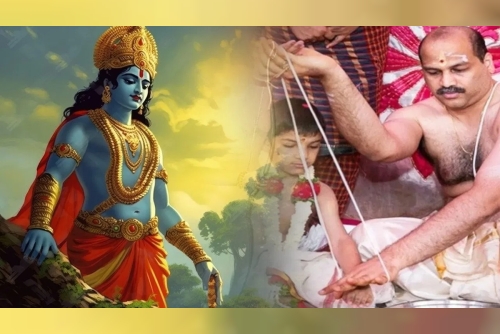
Hinduism, often regarded as the world’s oldest religion, is a deeply philosophical and richly ritualistic tradition. With roots extending back over 5,000 years, it has developed a comprehensive framework to guide individuals through the various stages of life. Among the most important of these frameworks is the 16 Sanskar in Hinduism, a series of sacred rites or rituals that shape a person’s journey from conception to death. Known collectively as the 16 Sanskaras, these ceremonies are a core part of Vedic tradition and reflect the spiritual and cultural essence of Hindu society.
Historical Context and Origins
To understand the 16 Sanskar of Hindu, it is important to delve into the history of Hinduism religion. Rooted in the ancient Vedic texts, these rituals were designed not merely as cultural practices but as spiritual milestones. They help sanctify the key transitions in an individual's life, making them sacred through prescribed rites. In the ancient Vedic era, these sanskaras were considered essential for the spiritual elevation of the individual and the harmony of society.
The 16 samskaras of Hinduism are based on the principle that life is a continuous journey of purification and evolution. The term "sanskar" itself means refinement or transformation. These rituals aim to instill moral values, discipline, and spiritual consciousness at every phase of life.
The 16 Rituals in Hinduism
The 16 rituals in Hinduism, also known as Shodasha Samskaras, begin even before a person is born and extend to the final rites after death. Below is a concise overview of each of the 16 Sanskaras:
Garbhadhana (Conception Ritual) – A rite performed to bless the couple with virtuous progeny. Pumsavana (Fetus Protection) – Performed during the third month of pregnancy for the protection and healthy development of the fetus. Simantonnayana (Hair-Parting Ceremony) – A prenatal rite that promotes the mental well-being of the mother. Jatakarma (Birth Ritual) – Celebrated at birth to welcome the newborn and to invoke blessings. Namakarana (Naming Ceremony) – Held on the 11th or 12th day to give the child a name, symbolizing individual identity. Nishkramana (First Outing) – Marks the baby’s first exposure to the outside world, usually after a month. Annaprashana (First Solid Food) – Introduces the child to solid food, typically around six months of age. Chudakarana (First Haircut) – Performed to cleanse the child of past karmas and promote spiritual growth. Karnavedha (Ear Piercing) – Traditionally done to open the inner channels for learning and spiritual receptivity. Vidyarambha (Beginning of Education) – A ceremony to initiate the child into formal education and learning. Upanayana (Sacred Thread Ceremony) – Marks the beginning of student life; the child is introduced to the Gayatri Mantra and Vedic learning. Vedarambha (Start of Vedic Studies) – Begins the process of scriptural education under a guru. Keshanta (First Shaving of Beard) – Performed during adolescence, marking the end of the brahmacharya phase. Samavartana (Graduation Ceremony) – Marks the completion of education and readiness to enter worldly life. Vivaha (Marriage Ceremony) – The most important grihastha (householder) ritual, symbolizing responsibility and partnership. Antyeshti (Funeral Rites) – The final sacrament, facilitating the soul’s journey after death and completing the life cycle.Cultural and Spiritual Significance
Each of the 16 Sanskar has deep philosophical and spiritual meaning. They are not merely social customs but are intended to awaken higher consciousness and integrate the divine into daily life. The 16 Sanskaras emphasize that every stage of life—whether birth, education, marriage, or death—is sacred and deserves mindful observance.
In modern times, while some of these rituals may have simplified or adapted forms, their underlying purpose remains vital. They offer a connection to tradition, reinforce ethical values, and provide a sense of identity and belonging in an ever-changing world.
A Living Heritage
The 16 Sanskar in Hinduism continue to be practiced across various Hindu communities, transcending regional and linguistic boundaries. These age-old rites have not only survived the test of time but have also adapted to contemporary life, demonstrating the resilience and relevance of Hinduism as the world’s oldest religion.
In essence, the 16 Sanskar of Hindu life serve as sacred milestones, guiding individuals toward spiritual fulfillment and societal harmony. They are a testament to the timeless wisdom of Hindu philosophy and its holistic approach to human existence.