


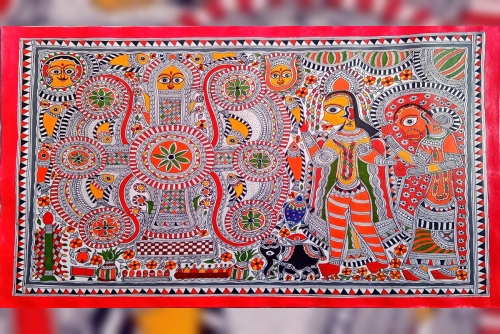
Madhubani painting, also known as Mithila painting, is a vivid and culturally rich art form that originated in the Mithila region of Bihar, India. Deeply rooted in tradition, it reflects the ethos, mythology, and rituals of rural India, particularly those tied to Hindu beliefs. Over centuries, Madhubani has evolved into a globally recognized form of folk art. Today, Madhubani painting designs continue to inspire artists and designers alike with their bold lines, intricate patterns, and symbolic representations of nature, deities, and daily life.
Origins and Cultural Significance
The history of Madhubani painting traces back to ancient times, with its origins linked to the epic of Ramayana. According to legend, King Janaka, Sita’s father, commissioned artists to decorate the town of Mithila with beautiful paintings for her wedding to Lord Rama. This art was traditionally done by women on the walls and floors of their homes using natural dyes and materials. Over time, it evolved onto cloth, paper, and canvas, allowing it to reach audiences far beyond its rural roots.
Madhubani is not just an art form; it’s a visual language of folklore and storytelling. This folk art of Madhubani painting depicts scenes from Hindu epics, celestial beings, and rituals, as well as elements from nature like birds, animals, and trees. It is characterized by its use of vibrant colors, geometric precision, and an absence of empty space—patterns fill every available area, creating a rich visual texture.
Types of Madhubani Art
There are five main types of Madhubani art, each with its own distinctive style and technique:
Bharni Style – Known for its bright colors and depiction of religious motifs, especially Hindu gods and goddesses. Bharni means 'filling', which reflects the style's emphasis on filling spaces with rich colors. Katchni Style – This style uses fine lines and hatching to create texture and detail, often in monochrome or limited color palettes. It typically focuses on decorative borders and minimalistic storytelling. Tantrik Style – Rooted in religious and spiritual symbolism, this style features deities and esoteric figures, often used in rituals and ceremonies. Godna Style – Inspired by tribal tattoo art (Godna means tattoo), this type includes simple motifs and patterns traditionally used for body art. Kohbar Style – Traditionally painted in the nuptial chambers of newlyweds, this style celebrates love and fertility. It features symbols like lotus plants, fish, and parrots.Each type of Madhubani painting reflects the beliefs and practices of the communities that developed them, making the art not only aesthetically pleasing but also deeply symbolic.
Signature Madhubani Painting Designs and Patterns
Madhubani painting designs are characterized by their intricate and symbolic detailing. Some of the most common motifs include the sun, moon, peacocks, and sacred plants like tulsi. The designs often follow symmetrical layouts and are bounded by ornate borders filled with floral or geometric Madhubani painting patterns. Fish symbolize fertility and prosperity, while bamboo groves denote strength and longevity.
Color choices are traditionally derived from natural sources—black from burnt jowar, red from sandalwood, green from leaves, and yellow from turmeric. Despite the limited palette, the art is known for its vividness and contrast. Madhubani painting patterns emphasize repetition, rhythm, and symmetry, making each piece feel dynamic and alive.
Celebrated Madhubani Painting Artists
Madhubani has been preserved and enriched by generations of artists, many of whom have gained national and international acclaim. Among the most notable Madhubani painting artists is Sita Devi, a Padma Shri awardee, who helped elevate the art form to international platforms. Another renowned figure is Ganga Devi, known for her innovative approach and for adapting Madhubani to modern themes without losing its traditional essence.
Contemporary artists like Baua Devi and Dulari Devi continue to redefine the scope of this folk tradition, bringing it to galleries, fashion runways, and global exhibitions. Their works have also highlighted social themes such as women’s empowerment, education, and environmental conservation.
The Global Relevance of Folk Art Madhubani Painting
Today, folk art Madhubani painting is not confined to rural walls—it has made its way into textiles, home décor, fashion accessories, and even modern architecture. Its adaptability has played a significant role in keeping it alive in the face of changing artistic landscapes. NGOs and art organizations have also helped in preserving the tradition by conducting workshops, exhibitions, and skill development programs for rural artists.
In conclusion, Madhubani painting is not just a visual art form but a cultural legacy that bridges mythology, tradition, and modernity. Its distinctive designs, varied types, intricate patterns, and celebrated artists contribute to its enduring charm. As global interest in sustainable and heritage arts grows, Madhubani stands as a glowing testament to the timeless beauty and relevance of Indian folk art.



 Cheapest Beds Ever Found – Mattress Store Cape Town EXPOSED!