

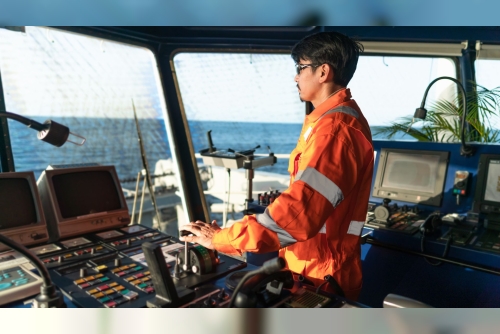
Modern maritime trade runs on precision, and that precision hinges on visibility. Ship vessel tracking is no longer a luxury. It's a naval mandate. With oceans crisscrossed by cargo giants and fishing fleets alike, knowing who's where and when is critical.
Why Ship Tracking Has Become a Global NecessityShip tracking systems drastically reduce collision risks. By knowing vessel positions in real-time, captains can make better navigational choices. This situational awareness can be lifesaving, especially in congested sea routes like the Strait of Malacca.
Boosting Global Trade EfficiencyPorts and logistics operators depend on accurate ETAs. Vessel tracking data helps optimize berthing schedules, cargo handling, and turnaround times. It eliminates guesswork and improves resource allocation, reducing operational costs.
Combating Illegal Maritime ActivitiesFrom unauthorized fishing to oil smuggling, maritime crime thrives in the shadows. Vessel tracking casts a spotlight. Authorities can detect suspicious loitering, sudden course changes, or signal disappearances, triggering timely investigations.
The Technology Behind Vessel Tracking SystemsAIS (Automatic Identification System)AIS is the backbone of global vessel visibility. Mandated for most commercial ships, this system broadcasts the vessel's identity, coordinates, speed, and heading at regular intervals. It's like a digital name tag on the high seas.
GPS and Satellite IntegrationWhile AIS works well near coasts, satellites extend coverage to remote oceanic regions. GPS pinpoints a ship's exact location, while satellites relay that data to ground stations, enabling real-time tracking anywhere on Earth.
Radar and Coastal Surveillance SystemsIn territorial waters, radar remains indispensable. It can detect non-cooperative vessels not transmitting AIS, making it crucial for national security and border enforcement.
Real-Time Tracking vs Historical TrackingBenefits of Live Vessel TrackingReal-time tracking empowers immediate decision-making. If a ship deviates from the course, stakeholders are alerted instantly. This helps mitigate delays, reroute shipments, or respond to emergencies proactively.
Importance of Historical Data in Maritime AnalysisPast voyages reveal patterns. Historical tracking data is invaluable for analyzing route efficiency, identifying risk-prone areas, and auditing shipping behaviors. It's also used in post-incident investigations.
Major Platforms and Tools Used in Vessel TrackingMarineTraffic and VesselFinderThese platforms democratize tracking. They offer live maps, vessel profiles, and historical routes, catering to both casual observers and professionals. Their data is sourced from a vast global network of AIS receivers and satellites.
FleetMon, MyShipTracking, and OthersEach offers unique dashboards, analytics, and coverage depth. Some specialize in cargo metrics, others in fleet analytics. Their APIs allow integration with logistics systems, enhancing supply chain visibility.
Enterprise-Grade Monitoring SystemsLarge shipping conglomerates often deploy custom tracking platforms. These integrate internal operational data with external maritime intelligence, offering end-to-end vessel and cargo monitoring.
Who Uses Vessel Tracking and Why?Shipping Companies and Fleet ManagersThese users need to track efficiency, prevent delays, and ensure safety. Monitoring fuel consumption, route deviations, and schedule adherence keeps costs down and performance up.
Port Authorities and Coastal Security AgenciesThey rely on tracking for planning and protection. Vessel ETA data helps with port traffic coordination, while security teams use tracking to identify threats or irregular behaviors near territorial waters.
Insurance and Logistics AnalystsVessel tracking mitigates risk. Insurers use it to validate claims and analyze accident data. Logistics firms depend on it for accurate delivery timelines and proactive issue resolution.
How Accurate Is Vessel Tracking Data?Factors That Affect AccuracySignal strength, transmission intervals, and satellite visibility can impact precision. Older ships with outdated AIS transceivers may transmit less frequently or inaccurately.
How Signal Spoofing and AIS Disabling Complicate MonitoringSome vessels, especially those engaged in questionable activity, disable AIS or spoof their coordinates. This intentional opacity creates blind spots that complicate security and compliance efforts.
Privacy and Legal Aspects of Vessel TrackingData Transparency vs Operational SecurityWhile transparency aids accountability, too much visibility can expose sensitive operational details. High-value cargo routes, for instance, can become targets if made public.
Regulatory Frameworks and Maritime LawsInternational conventions like SOLAS mandate AIS for safety. Yet enforcement varies across jurisdictions. Some countries have stricter reporting requirements, while others offer minimal oversight.
Challenges in Global Vessel TrackingGaps in Satellite CoverageDespite global networks, coverage isn't always seamless. High-latitude regions and deep-sea routes still experience intermittent data due to satellite positioning or atmospheric interference.
Limited Data Access in Conflict Zones or Piracy HotspotsIn areas like the Gulf of Guinea or parts of the South China Sea, ships may deliberately withhold tracking data for safety. This compromises visibility and complicates intervention.
Innovations Shaping the Future of Vessel TrackingAI and Predictive AnalyticsAI models now forecast vessel arrival times, route optimization, and risk alerts. Predictive tracking offers a proactive layer of intelligence over raw data, helping maritime players stay ahead of issues.
Blockchain for Secure Maritime Data ExchangeBlockchain introduces tamper-proof data sharing. It secures logs, coordinates, and shipping documents, creating a transparent, immutable record that is a significant leap for trust in supply chains.
Ship vessel tracking is the invisible thread holding global trade, maritime safety, and environmental accountability together. As the oceans grow busier and the stakes increase, tracking technology must keep evolving smarter, faster, and more secure.
FAQs1. What is ship vessel tracking?
Ship vessel tracking is the process of monitoring and visualizing a ship's real-time location, movement, and status using technologies like AIS and GPS.
2. How does AIS work in tracking ships?AIS (Automatic Identification System) transmits a ship's identity, position, speed, and course to other vessels and tracking stations to improve maritime safety and visibility.
3. Can ships hide their location?Some vessels disable their AIS or use GPS spoofing to conceal their movements, often for illegal or sensitive operations.
4. Who uses ship tracking data?Shipping companies, port authorities, coast guards, logistics firms, and insurance providers rely on vessel tracking for safety, efficiency, and analysis.
5. Are there free ship tracking tools available?Platforms like MarineTraffic and VesselFinder offer free access to basic vessel tracking features with optional paid upgrades.