

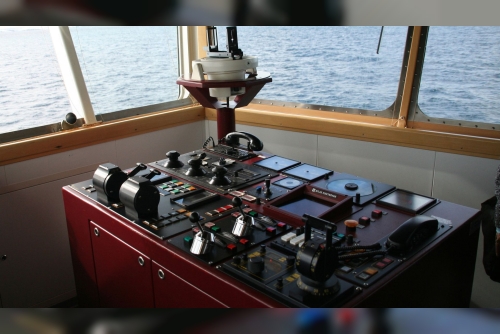
Oceans may appear vast and lawless, but they're anything but unmonitored. Beneath the waves and across invisible digital grids, marine traffic vessel tracking systems keep constant watch. They provide a silent yet vital thread connecting ports, ships, and industries worldwide.
What Are Marine Traffic Vessel Tracking Systems?From Radar to Satellite – The Tools Behind the TechAt the core of vessel tracking is a fusion of technologies: AIS transponders, GPS, satellite constellations, radar, and cloud-based analytics. These tools collectively transmit and interpret a ship's movements across open waters and congested ports, often to the meter.
Real-Time Data and Its Role in Global ShippingData from vessel tracking systems isn't archived for later in life. This real-time stream informs a spectrum of decisions, from steering a ship to rescheduling a dock. In the global dance of logistics, timing is everything, and tracking ensures no one misses a beat.
Commercial Shipping CompaniesFleet Monitoring and Route OptimizationShipping companies rely on vessel tracking to monitor every ship's location, fuel usage, and ETA. With data, they fine-tune routes to avoid bad weather, save fuel, and maximize throughput. It's not just about getting there. It's about getting there smarter.
Reducing Delays and Operational CostsDowntime costs money. Vessel tracking helps avoid congestion, sidestep mechanical risks, and streamline voyages. Shipping firms can cut excess expenses and improve delivery reliability by minimizing unpredictability.
Port Authorities and Harbor MastersScheduling, Berthing, and Traffic ManagementPorts are high-stakes hubs where precision matters. Harbor masters use tracking data to allocate berths, manage tugs, and control marine traffic flow. It's like air traffic control, but only wetter and far more massive.
Enhancing Safety at Port EntrancesCollisions near busy ports are disastrous and costly. Real-time tracking lets port authorities maintain safe distances, prevent cross-traffic conflicts, and enforce speed limits before accidents unfold.
Freight Forwarders and Logistics ProvidersEnd-to-End Visibility for Smarter Supply ChainsVessel tracking closes the visibility gap in global logistics. Freight forwarders know where goods are and when they'll arrive; no more guesswork. This transparency builds trust across the entire chain.
Managing Exceptions and Delays with PrecisionDelays happen. But with live tracking, logistics teams can quickly notify clients, reroute inland transport, or adjust warehouse schedules. Information turns problems into manageable setbacks.
Government and Maritime AgenciesNational Security and Border SurveillanceGovernment agencies use tracking to monitor territorial waters for illegal entry, unauthorized shipping, or smuggling operations. It's a first line of digital defense for coastal nations.
Enforcing Fishing and Environmental LawsIllegal fishing and pollution violations often go unnoticed unless someone's watching. With vessel tracking, authorities can spot and stop ships that deviate from legal zones or dump illicit materials.
Insurance and Legal InvestigatorsClaim Verification and Dispute ResolutionIn maritime insurance, proof is everything. Tracking data serves as an objective record of a vessel's speed, location, and actions. It cuts through speculation and provides concrete evidence during claims.
Reconstructing Maritime IncidentsInvestigators use historical tracking data to reconstruct events when ships collide or go missing. The digital trail often tells a clearer story than any human account.
Environmental Protection OrganizationsTracking Ships in Protected WatersMarine sanctuaries and no-sail zones require strict enforcement. NGOs and watchdogs use vessel tracking to flag unauthorized traffic in delicate ecosystems, from coral reefs to polar regions.
Monitoring Emissions and Pollution EventsExcessive emissions and waste dumping can be caught with the correct data. Environmental groups now use tracking tools to pressure polluters and advocate for policy changes based on real-world behavior.
Researchers and OceanographersStudying Shipping Patterns and Ocean Traffic FlowAcademics and researchers use vessel data to analyze global trade flows and their environmental impacts. It helps reveal trends in maritime congestion, seasonal movements, and oceanic disruption.
Supporting Climate and Ecosystem ModelsEvery ship affects the ocean's rhythm. By understanding shipping density and fuel usage, researchers refine climate models and develop sustainable marine strategies grounded in complex data.
Naval and Defense ForcesStrategic Monitoring and Threat DetectionMilitary forces rely on global vessel tracking to identify suspicious behavior in contested waters. It's a tool of peace and preparedness, keeping threats visible before they escalate.
Cooperative Navigation with Civilian VesselsNavy vessels use tracking in high-traffic regions to avoid interfering with commercial routes. Coordination reduces risk and fosters safer, shared use of busy marine corridors.
Offshore Energy and Fishing IndustriesCoordinating Vessel Activity Around Rigs and ZonesOil rigs, wind farms, and fisheries depend on precise vessel placement. Tracking ensures safety zones are respected and that service vessels arrive on schedule.
Safety and Compliance in Remote LocationsFar from shore, rules still apply. Tracking helps these industries comply with safety protocols and regulatory requirements in distant, often treacherous, waters.
Public Users and Marine EnthusiastsOpen Access Platforms for Tracking Ships GloballyWith platforms like MarineTraffic and VesselFinder, anyone can track ships from their phone. The sea is now transparent for hobbyists, historians, or concerned citizens.
Citizen Monitoring and Maritime TransparencyPublic tracking plays a role in accountability. From spotting illegal whaling to monitoring conflict zones, global citizens use open data to call attention to hidden maritime events.
A Digital Lifeline Across the OceansMarine traffic vessel tracking isn't just for captains and coast guards. It's a multi-tool of the modern world used by corporations, governments, researchers, and everyday people. What, once moved invisibly, leaves a digital wake, with it, a smarter, safer, and more accountable maritime future.
FAQs1. Who primarily uses marine vessel tracking systems?
The main users are commercial shipping companies, port authorities, governments, and logistics providers.
2. Do people use vessel tracking platforms every day?Yes. Marine enthusiasts, activists, and curious citizens often use open-access platforms to track ships in real-time.
3. How do governments benefit from vessel tracking?They use it for border security, monitoring illegal activities, and enforcing maritime laws.
4. Why do environmental groups rely on vessel tracking?To track ships entering protected areas, monitor emissions, and gather data on environmental violations.
5. Can researchers use marine traffic data?Absolutely. It supports shipping patterns, ocean health, and global climate impact studies.