

Selecting the right gym cleaning service is crucial for maintaining a clean, safe, and healthy environment for your members. Gyms are high-traffic, high-touch environments where sweat, moisture, and heavy use create ideal conditions for germs, bacteria, fungi, and viruses. A professional cleaning service ensures that equipment lasts longer, members stay healthy, and your gym maintains a positive reputation.
This guide will help you understand what to look for, differences between gym cleaning and standard commercial cleaning, pricing considerations, cleaning standards, eco-friendly products, and choosing between in-house and contract cleaners.
1. Differences Between Gym Cleaning and Standard Commercial CleaningUnderstanding the distinction is important when selecting a service:
Gym Cleaning
Focus: Sanitary and healthy environment for a high-traffic fitness center.
Key Tasks:
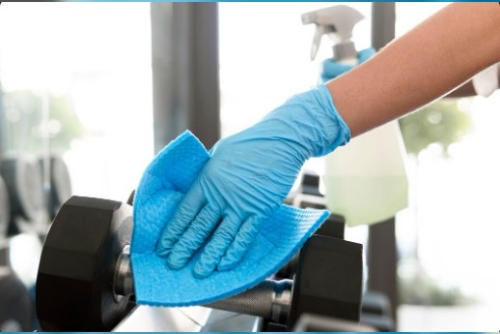
High-touch point disinfection: machines, benches, weights, door handles, lockers, showers.
Odor control: specialized products to remove sweat and humidity smells.
Equipment care: gentle, eco-friendly cleaners to avoid damaging mats, bench covers, or electronics.
Safety and compliance: adherence to health regulations, prevention of slips and falls.
Member experience: ensures a clean, pleasant environment for workouts.
Standard Commercial Cleaning
Focus: General cleaning for offices or commercial spaces.
Key Tasks:
Dusting, vacuuming, and sanitizing desks and common areas.
Waste removal and bin maintenance.
Basic safety compliance; less intense germ-focused sanitation.
Gyms require a much higher standard of cleaning because of the increased risk of infection and the need for specialized care of equipment.
2. Why Choosing the Right Gym Cleaner Matters Health and SafetyGyms are naturally humid and warm, with frequent contact surfaces. Proper cleaning prevents the spread of:
Bacteria and viruses: MRSA, flu, colds, salmonella.
Fungi: athlete’s foot, ringworm.
Airborne pathogens: dust, dander, and pathogens can accumulate if HVAC systems are neglected.
Maintaining clean, dry floors reduces slip and fall accidents, ensuring member safety.
Member Satisfaction and RetentionCleanliness often ranks higher than equipment quality for gym-goers. Benefits include:
Positive first impression: A sparkling reception and clean equipment create trust and professionalism.
Loyalty and referrals: Members are more likely to renew memberships and recommend your facility.
Enhanced experience: Fresh-smelling, hygienic gyms allow members to focus on workouts without worry.
Equipment LongevityGym equipment is a major investment. Sweat, dust, and skin oils can corrode metal, damage upholstery, and clog electronics. Proper cleaning:
Prevents premature wear and costly repairs.
Uses non-abrasive agents to preserve equipment.
Frees staff to focus on member engagement rather than cleaning.
Regulatory Compliance and Brand ImageProfessional cleaners are familiar with local health codes and safety regulations, keeping your gym audit-ready and avoiding fines.
A clean facility enhances brand reputation and professionalism, distinguishing your gym in a competitive market.
3. Factors Influencing Gym Cleaning PricingSeveral factors affect costs:
Size of the Gym:
Larger facilities require more labor, equipment, and cleaning materials.
Complexity of layout and equipment affects the scope of work.
Foot Traffic:
High-traffic gyms require more frequent cleaning.
Frequency affects labor hours, disinfectant usage, and overall cost.
Tasks Required:
Daily touch-point cleaning, deep-cleaning mats, showers, and HVAC systems.
Specialized tasks like carpet steaming or upholstery cleaning increase costs.
Hours of Service:
After-hours cleaning may incur higher rates.
Multiple daily cleaning sessions for 24/7 gyms also increase costs.
Typical Adelaide Pricing:
Small studios: $200–$400 per week
Medium gyms: $400–$900 per week
Large fitness centres: $1,000+ per week
4. Essential Cleaning Tasks for Adelaide GymsDaily Cleaning:
Equipment disinfection (machines, weights, benches, mats).
High-touch area sanitization (door handles, handrails, reception).
Floor maintenance: sweep, mop, vacuum carpets.
Restroom and shower cleaning, supply refill, trash removal.
Mirror and window cleaning.
Weekly Cleaning:
Deep clean mats and locker rooms.
Dust vents, ceiling corners, and equipment frames.
Clean behind machines and under mats.
Monthly Cleaning:
Deep scrub floors based on material (rubber, vinyl, wood).
Inspect and clean ventilation systems.
Pull out heavy equipment to clean behind and inspect for wear.
A consistent checklist ensures nothing is missed and establishes accountability.
5. Eco-Friendly and Hospital-Grade ProductsWhen choosing a cleaning service, ensure products are:
Hospital-grade: EPA-registered, proven against pathogens like Staphylococcus aureus.
Eco-friendly: Plant-based, biodegradable, recyclable, or reusable.
Non-toxic: Free from harsh chemicals such as bleach or quaternary ammonium compounds.
Certifications to Look For:
Cleaning: EPA Safer Choice, Green Seal
Medical-grade: ISO or FDA
Staff: WH&S, chemical handling, infection control
Avoid vague “green” claims without third-party certification.
6. In-House vs Contract CleaningIn-House Cleaners
Pros: Full control, immediate response, familiarity with your facility, integration into company culture.
Cons: Higher costs (salaries, insurance, equipment), management burden, limited expertise/equipment.
Contract Cleaners
Pros: Cost-effective, expert knowledge, consistent service, saves management time, flexible schedules.
Cons: Less direct control, potential staff turnover, communication gaps.
Key Decision Factors: Budget, facility size, hygiene requirements, and management bandwidth.
7. Minimizing Member DisruptionStrategic Scheduling: Off-peak hours for deep cleaning, daily touch-points during peak times.
Sectioned Cleaning: Rotate areas to keep the gym partially open.
Clear Communication: Signage, digital notifications, and staff announcements.
Empowering Staff & Members: Hand sanitizers, wipes, and education on hygiene protocols.
8. Understanding Service Agreements & FrequencyService Agreement (SLA):
Defines scope, roles, payment, performance standards, dispute resolution, and termination clauses.
Frequency Schedules:
Specify which tasks are done daily, weekly, or monthly.
Includes timing, duration, and accountability measures.
Clear agreements prevent misunderstandings and ensure consistent service.
9. Signs of a Reliable Gym Cleaning CompanyDetailed cleaning plan and checklist.
Transparent, itemized pricing.
Uniformed, trained staff.
Use of hospital-grade, eco-friendly disinfectants.
Open to after-hours or 24/7 service.
Regular quality audits or site reports.
ConclusionChoosing the best gym cleaning service requires balancing cost, expertise, certifications, and reliability. A professional cleaning company ensures:
A healthy, germ-free environment.
Safer floors and equipment.
Member satisfaction and retention.
Longevity of gym equipment and operational efficiency.
Compliance with health regulations and positive brand image.
Whether you choose in-house staff or a contract service, the goal is a consistent, high-quality clean that protects both your members and your investment.
FAQ1. How much does gym cleaning cost in Adelaide?
Small: $200–$400/week
Medium: $400–$900/week
Large: $1,000+/week
2. What should a checklist include?
Daily: equipment disinfection, floors, restrooms, high-touch points
Weekly: deep clean mats, locker rooms, dust vents
Monthly: floors, HVAC, behind heavy equipment
3. Certifications needed: WH&S, infection control, police clearance, public liability insurance, chemical handling training.
4. Cleaning frequency: Daily touch-points, weekly deep cleaning, monthly high-level sanitation.
5. Signs of reliability: Clear checklist, trained staff, transparent pricing, eco-friendly products, audits, and responsive communication.