


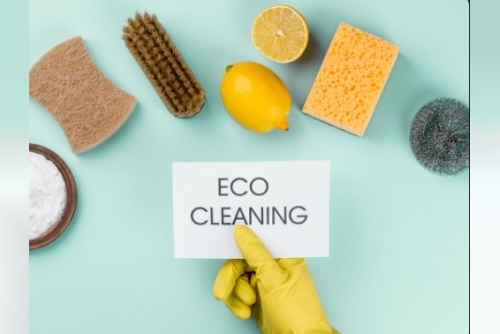
Creating an eco-conscious cleaning policy is one of the most effective ways for modern workplaces to reduce environmental impact and support healthier indoor environments. Many businesses now recognise that sustainable practices are no longer optional—they are essential for meeting stakeholder expectations, improving employee wellbeing, and aligning with corporate social responsibility goals. This approach helps businesses transition from standard cleaning to sustainable cleaning strategies, ensuring every stage of cleaning—from planning to execution—supports long-term environmental performance.
An eco-conscious cleaning policy outlines clear procedures, product standards, and operational commitments. It also defines what your cleaning teams MUST follow to maintain consistent green outcomes. Below are the essential steps to help your workplace shift smoothly to a sustainable cleaning framework.
1. Assess Your Current Cleaning PracticesBegin with a baseline assessment. Understanding how your workplace is currently cleaned highlights opportunities for improvement and guides long-term decision-making.
Review the following areas:
Types of chemicals and cleaning agents used
Waste produced during cleaning processes
Water and energy consumption
Equipment condition and efficiency
Cleaning schedules and workforce training levels
A simple audit helps identify non-eco products, unnecessary waste, and inefficient tools. This stage forms the foundation of a greener operational strategy.
2. Define Clear Sustainability GoalsOnce you have a baseline, set goals that reflect your business’s environmental aims. These goals MUST be realistic, measurable, and relevant to your workplace.
Common sustainability objectives include:
Reducing chemical usage by switching to non-toxic alternatives
Cutting water waste through microfibre systems
Improving indoor air quality by eliminating volatile organic compounds (VOCs)
Lowering landfill waste via recycling and reusable materials
Reducing energy consumption through scheduled cleaning
A clear set of goals aligns your cleaning partners, employees, and facility managers toward the same outcome.
3. Choose Green Cleaning Products and EquipmentA truly eco-conscious policy depends heavily on product choices. Select products certified by reputable environmental organisations and ensure they contain minimal harmful chemicals.
Recommended options include:
Plant-based or biodegradable cleaning solutions
Refillable spray bottles to eliminate single-use plastics
HEPA-filtered vacuums to reduce airborne dust
Microfibre cloths and mops to reduce water and chemical use
Low-energy machinery for daily maintenance
Choosing the right products shows commitment to sustainability and enhances workplace safety.
4. Introduce Standard Operating Procedures (SOPs)Clear SOPs ensure consistency. These written guidelines outline how cleaning tasks MUST be performed to meet eco-friendly standards.
Your SOPs should include:
Step-by-step cleaning instructions
Required materials and approved eco products
Waste sorting and recycling expectations
Safety guidelines for handling green chemicals
Energy-saving procedures, such as turning off equipment
SOPs make your eco-conscious policy easy to understand and implement across all teams.
5. Train Employees and Cleaning StaffTraining is essential for achieving long-term success. Staff should understand why sustainable cleaning matters and how they can contribute daily.
Training should cover:
Proper use of green chemicals
Correct use of microfibre technology
Energy-efficient cleaning methods
Waste separation and recycling rules
How to identify and report environmental hazards
Employees who feel confident and informed perform tasks more responsibly and maintain the integrity of your eco-policy.
6. Reduce Waste Through Smart PracticesWaste reduction plays a huge part in sustainable cleaning. Small operational changes can significantly reduce your organisation’s environmental impact.
Key waste-reduction strategies:
Use refillable containers rather than disposable plastic
Implement a recycling station for bottles, cans, and cardboard
Switch to reusable cloths and mops
Donate unused supplies to local organisations where appropriate
Introduce paperless reporting for cleaning teams
Reducing waste also cuts operational costs, creating long-term financial benefits.
7. Implement Green Procurement PoliciesYour procurement policy MUST support sustainability by setting standards for what can be purchased for cleaning and facility operations.
Include requirements for:
Eco-certified cleaning chemicals
Energy-efficient cleaning machines
Durable and repairable equipment
Products with minimal packaging
Suppliers committed to environmental responsibility
Green procurement ensures your environmental goals remain intact during every purchasing decision.
8. Monitor, Review, and Improve Your Policy
Sustainability is an ongoing journey, not a one-time project. Regularly monitor the performance of your cleaning policy to identify areas for ongoing improvement.
Monitoring methods include:
Monthly performance reports
Staff feedback surveys
Spot checking of chemical usage
Waste volume tracking
Annual policy performance reviews
Use the data to revise goals, update procedures, or introduce new technologies as they become available. Consistent review ensures your eco-conscious cleaning policy remains effective and current.
Conclusion
Implementing an eco-conscious cleaning policy delivers long-term benefits for your workplace, including healthier indoor air, reduced chemical exposure, lower operational costs, and improved environmental output. By following these steps, your organisation can confidently transition from conventional methods to advanced, sustainable cleaning strategies. Every decision—from procurement to daily cleaning routines—MUST support your mission to create a cleaner, greener workplace.
FAQs (Quick Answers)1. What is an eco-conscious cleaning policy?A structured plan that outlines sustainable cleaning practices, eco-friendly product choices, and waste-reduction methods.
2. Why should workplaces adopt eco-cleaning strategies?To improve health, reduce chemicals, save costs, and meet environmental commitments.
3. Are green cleaning products as effective as traditional ones?Yes—modern eco products clean effectively while being safer for people and the environment.
4. How can we reduce waste in cleaning routines?Use refillable containers, reusable microfibre cloths, and proper recycling systems.
5. How often should the cleaning policy be reviewed?At least annually to ensure goals and procedures stay relevant and effective.
Meta TitleSteps to Implement an Eco-Conscious Cleaning Policy in Your Workplace
Meta DescriptionThe essential steps to build an eco-conscious cleaning policy that helps businesses transition from standard cleaning to sustainable strategies. Practical guidance, SOPs, and easy implementation tips included.