

Indonesia’s downstream fuel network is one of Southeast Asia’s most complex. With thousands of islands, multi-modal transport routes, and fragmented operators, the country experiences far higher fuel leakage than regional peers. Structural challenges—marine transfers, depot-to-depot movement, and inconsistent measurement—create variance and misreporting that often go unnoticed until month-end.
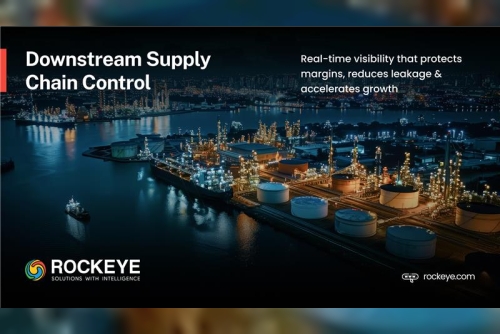
Leakage is not just an operational issue; it directly impacts margin, compliance, and trust in financial numbers. This is why operators are shifting toward real-time visibility and adopting a modern Transport Management System to bring governance and accuracy across the Downstream Supply Chain.
Indonesia’s geography requires fuel to move through refineries, terminals, barges, depots, and retailers. Each transfer introduces risks such as dip inaccuracies, temperature expansion, short loading, detours, and human-entry errors. Heavy reliance on manual dip readings, paper slips, WhatsApp updates, and delayed reconciliation further widens the gap between actual and reported volume. Fragmented small transporters, low telematics adoption, humidity, sloshing, and calibration issues add more leakage points. Growing tax and biofuel compliance requirements (e.g., B30) make accuracy even more critical.
Leakage typically ranges from 1–3%. For operators moving $10M–$20M monthly, that means $100K–$200K lost every month—excluding margin contraction, SLA penalties, and cash delays.
Real-time visibility fixes this by unifying loading-to-delivery tracking into a single control layer. Geo-fencing detects diversions; automated volume validation prevents posting incorrect entries; real-time reconciliation replaces manual spreadsheets; AI flags abnormal variance and behavior patterns; and workflow automation speeds approvals and invoicing.
Indonesia’s rising demand, regulatory tightening, and multi-fuel complexity mean operators relying on manual processes will continue losing margin. Those adopting real-time visibility and a downstream-ready Transport Management System will lead the next decade through accuracy, governance, and operational intelligence.