


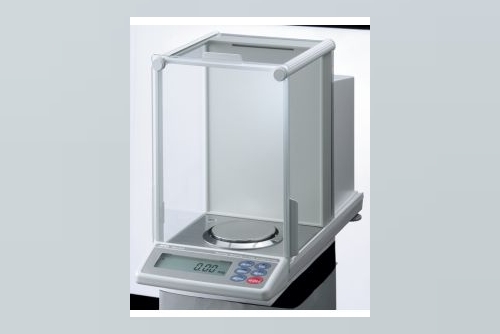
Analytical balances are essential instruments in laboratories where extreme precision is required. Whether you’re working in pharmaceuticals, chemical analysis, food testing, research, or quality control, even the smallest measurement error can compromise an entire experiment. That’s why proper calibration is crucial. Regular calibration ensures your balance provides accurate and reliable measurements every time.
In this step-by-step guide, we’ll walk you through how to properly calibrate your analytical balance, explain why calibration matters, and share best practices to help you maintain long-term accuracy. If you want consistent, traceable, and error-free weighing results, this guide covers everything you need to know.
What Is Analytical Balance Calibration?Calibration is the process of comparing the balance’s
reading with a known standard weight and adjusting as needed to correct
deviations. It ensures the balance’s output reflects the true mass being
measured.
There are two types of calibration:
✔ Internal Calibration
Some balances calibrate themselves automatically using a built-in calibration weight. This method is quick and convenient.
✔ External Calibration
For balances without internal calibration—or when higher traceability is required—you use certified calibration weights to manually calibrate the instrument.
Both methods help maintain precision, but external calibration offers higher accuracy, especially for ISO or regulatory compliance.
Why Calibration Is ImportantCalibrating your analytical balance regularly ensures:
Accuracy of test results Compliance with industry standards (ISO, GLP, GMP) Reduced measurement errors Consistent product quality Traceability for audits Longer instrument lifeEven minor environmental changes—such as temperature fluctuations, vibrations, or humidity—can affect balance performance. That’s why calibration should be routine, not optional.
Before You Start: Pre-Calibration ChecklistTo achieve accurate results, prepare your balance properly. Check the following:
✔ 1. Warm-up Time
Allow at least 30 minutes for the balance to warm up after switching it on.
✔ 2. Level the Balance
Use the built-in leveling bubble and adjust the leveling feet until centred. A tilted balance = inaccurate readings.
✔ 3. Clean the Balance
Remove dust, spills, and residues. Use a soft brush or lint-free cloth.
✔ 4. Stabilise the Environment
Ensure the balance is placed in:
A vibration-free location A draft-free enclosure Stable temperature and humidity Away from direct sunlight and doors✔ 5. Use Certified Weights
Choose Class E2 or F1 calibration weights for analytical balances. Ensure weights are:
Clean Free from fingerprints Stored in their case until useOnce everything is ready, you can begin calibrating your analytical balance.
How to Properly Calibrate Your Analytical Balance: Step-by-Step Guide Step 1: Check Balance SettingsMake sure the balance is set to the right unit (grams, milligrams, etc.). Reset to factory settings if needed.
Step 2: Zero/Tare the BalancePress the TARE or ZERO button to reset the display to zero. This ensures you're starting fresh before placing any weight.
Step 3: Start the Calibration ModeDepending on the model, this may involve:
Pressing the CAL button Selecting calibration from the menu Entering a calibration codeRefer to your balance’s user manual for exact instructions.
Step 4: Place the Calibration WeightWhen prompted, gently place the certified calibration weight in the centre of the pan using tweezers or gloves. Avoid touching weights with your hands as oils can alter the mass.
The balance will measure the weight and compare it against its known standard.
Step 5: Wait for StabilisationAllow the reading to stabilise. Most analytical balances display a stability indicator. Do not touch the table, lean on the bench, or create airflow during this step.
Step 6: Confirm or AdjustIf the balance reading matches the calibration weight,
calibration is successful.
If not, the balance will adjust internally or prompt you to accept the new
value. Confirm to complete the calibration cycle.
Some balances require multiple weights (span and linearity calibration). If prompted, repeat the process with additional certified weights.
Step 8: Record Calibration ResultsFor compliance and traceability, document:
Date & time Serial number of balances Weight class used Technician's name Before/after readingsMany modern balances generate calibration printouts automatically.
Best Practices for Maintaining Balance AccuracyTo keep your analytical balance in top condition, follow these ongoing best practices:
1. Calibrate Daily
For high-precision labs, daily calibration (or before each critical test) is recommended.
2. Handle Weights Correctly
Always use gloves or tweezers. Keep weights dust-free and stored in airtight boxes.
3. Avoid Overloading
Never exceed the balance’s maximum capacity. Doing so can permanently damage the internal mechanism.
4. Keep the Balance Clean
Wipe spills immediately and clean the weighing chamber after every session.
5. Control Environmental Conditions
Maintain stable temperature and humidity. Even small changes can cause drift in readings.
6. Use Anti-Vibration Tables
This is especially important for ultra-fine measurements (0.1 mg or better).
7. Allow Warm-up Time
Internal electronics need time to stabilise after switching on.
8. Service the Balance Regularly
Schedule professional calibration and maintenance annually or as per lab requirements.
Common Calibration Mistakes to AvoidEven experienced users sometimes overlook factors that impact accuracy. Avoid these common errors:
Touching calibration weights with bare hands Calibrating in drafty or unstable environments Using damaged or uncertified weights Skipping daily warm-up Performing calibration during temperature fluctuations Forgetting to level the balance Overlooking dust or residues on the weighing panAvoiding these mistakes helps ensure accurate results and longer instrument life.
How Often Should You Calibrate?Calibration frequency depends on usage, but general guidelines include:
Daily for analytical and microbalances Before critical experiments After moving the balance After environmental changes After maintenance or repairsRegulated industries (pharmaceutical, biotechnology, environmental testing) may require calibration multiple times a day.
ConclusionProper calibration is essential to ensure your analytical balance delivers accurate, repeatable, and trustworthy results. By following this step-by-step guide and maintaining best practices, you can significantly reduce measurement errors and ensure compliance with laboratory standards. Whether you're conducting chemical analyses, preparing solutions, or performing quality tests, accurate weighing is the foundation of reliable science.
Investing time in proper calibration not only enhances precision but also extends the life of your equipment—making it a critical routine in every professional laboratory.