

Introduction: The Terminology Gap in Regenerative Care
Regenerative medicine has moved rapidly from experimental to clinical practice, offering physicians new biologic tools for healing. Yet as adoption grows, so does confusion — especially among patients.
Terms like PRP injections, “stem cell therapy,” and even prp stem cell injections are often used interchangeably in public discussions, advertisements, and sometimes even clinical communication. But while these treatments share regenerative goals, they differ fundamentally in composition, mechanism, and regulation.
This overlap in terminology has real consequences. Misunderstandings can distort patient expectations, complicate informed consent, and undermine the credibility of legitimate biologic practices. As leaders in evidence-based regenerative medicine, physicians have a duty to clarify these distinctions — with accuracy, compliance, and transparency.
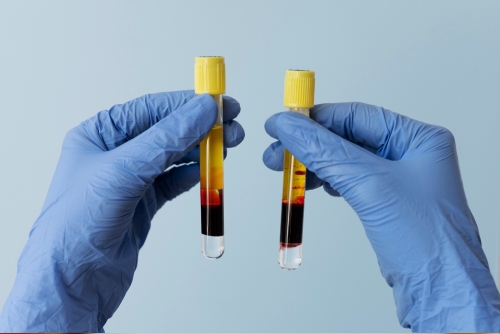
Understanding PRP InjectionsPlatelet-rich plasma (PRP) is an autologous biologic derived from the patient’s own blood. The process involves collecting a small volume of blood, centrifuging it to isolate platelet-rich plasma, and reinjecting the concentrate into the target tissue.
The key therapeutic agents in PRP are platelets, not stem cells. Platelets release growth factors such as PDGF, VEGF, and TGF-β, which promote angiogenesis, tissue repair, and anti-inflammatory signaling.
A typical PRP treatment is used in:
Musculoskeletal injuries such as tendinopathy or ligament sprains.
Degenerative joint disease, particularly osteoarthritis.
Soft-tissue and post-surgical healing applications.
PRP does not introduce new cells into tissue; instead, it activates the body’s existing repair processes. Its biologic activity is potent, but bounded by physiology — making it both safe and compliant when prepared and administered correctly.
What Stem Cell Therapies Actually AreIn contrast, stem cell therapy involves the collection, processing, and reinjection of progenitor or undifferentiated cells capable of developing into specific tissue types.
Common Sources of Stem CellsBone marrow aspirate concentrate (BMAC) – harvested from the iliac crest.
Adipose-derived stem cells (ADSCs) – isolated from fat tissue.
These cells can differentiate into bone, cartilage, or tendon cells, depending on their environment. Stem cell therapy aims not just to stimulate healing but to regenerate new tissue directly.
The challenge is that these therapies remain under tighter regulatory oversight. In many regions, stem cell processing that involves manipulation beyond minimal steps (such as enzymatic digestion) is restricted or considered investigational.
Therefore, the term “prp stem cell injections” is misleading — the two therapies are distinct in both mechanism and legal status.
Why the Confusion ExistsConfusion between PRP and stem cell therapies stems from a combination of scientific overlap and commercial simplification.
1. Overlapping GoalsBoth aim to support natural healing, reduce inflammation, and promote tissue repair. This similarity in purpose often blurs distinctions in casual conversation.
2. Marketing LanguageSome clinics promote “regenerative” or “biologic” treatments using vague terminology to attract patients, sometimes merging PRP and stem cell descriptions. The phrase “stem cell-rich PRP” or “prp stem cell injections” appears frequently in non-scientific content, though biologically inaccurate.
3. Patient AssumptionsPatients often equate “regenerative” with “stem cells,” assuming all such therapies involve cellular regeneration. Without clinical clarification, this misunderstanding persists.
For clinicians, maintaining accurate terminology is not merely academic — it’s a matter of professional ethics and patient safety.
Mechanistic Differences: Activation vs. RegenerationAt the cellular level, PRP injections and stem cell therapies represent two fundamentally different biological strategies:
Aspect
PRP Injections
Stem Cell Therapy
Source
Autologous blood
Bone marrow or adipose tissue
Key Component
Platelets and growth factors
Progenitor or stem cells
Mechanism
Activates repair through signaling molecules
Regenerates tissue via cell differentiation
Regulation
Widely approved for autologous use
Heavily regulated; often investigational
Objective
Stimulate repair and modulate inflammation
Replace or rebuild damaged tissue
PRP’s mechanism is activation — jumpstarting the healing cascade through biologic signaling. Stem cells operate through regeneration, differentiating into new tissue.
Both have value, but conflating them misleads patients and complicates clinical communication.
The Regulatory and Ethical DivideFrom a compliance perspective, PRP treatment is well-established. Because it involves minimal manipulation of autologous blood and reinjection into the same patient, it fits comfortably within FDA and similar international frameworks for autologous biologics.
Stem cell therapies, on the other hand, sit in a more complex regulatory environment. The FDA and equivalent authorities classify them based on the degree of manipulation and intended use. Treatments that involve enzymatic isolation, culture expansion, or allogeneic transfer fall under biologics or drug regulations — requiring extensive clinical data and licensing.
For clinicians, this divide carries practical implications:
PRP can be implemented safely and compliantly in clinical practice using validated systems.
Stem cell interventions often require institutional review, research oversight, or special licensure.
By adhering to approved systems like Tropocells PRP kits and Horizon centrifuge systems, physicians ensure compliance while delivering high-quality biologic care within defined regulatory boundaries.
Educating Patients: Communication Builds TrustClear communication is a cornerstone of ethical regenerative practice. When patients conflate PRP and stem cell therapy, they may expect results that one modality cannot deliver. Physicians can manage this effectively through direct, simple explanations.
Example conversation framework:
“PRP uses your platelets to release healing signals — it accelerates recovery but doesn’t replace tissue.”
“Stem cell therapy, on the other hand, uses specific cells that can turn into new tissue. It’s still more experimental and regulated differently.”
This distinction helps patients understand the science without overstating claims. Transparent education not only sets realistic expectations but also enhances patient trust — a key differentiator in regenerative medicine.
The Importance of Standardization in PRP PreparationEven within PRP therapy, outcomes depend heavily on preparation quality. Platelet concentration, red cell contamination, and sterility can vary widely between open and closed systems.
Accretion Portal addresses this variability through standardized, medical-grade systems:
Tropocells PRP Kits – Closed, sterile systems designed for reproducible platelet yield and consistent plasma purity.
Horizon Centrifuge Systems – Medical centrifuges with calibrated protocols ensuring optimal separation forces and workflow precision.
Standardization ensures not only compliance but also consistent biologic potency — the foundation for reproducible patient outcomes and credible clinical data.
Clinical Scenarios: Choosing the Right ModalityUnderstanding where PRP or stem cell therapy fits clinically allows physicians to align treatment with biology:
PRP injections:
Ideal for chronic tendinopathy, ligament sprains, early-stage osteoarthritis, and soft-tissue healing.
Acts as a signaling amplifier for tissue repair.
Stem cell therapy:
Considered when structural tissue loss is advanced — e.g., severe cartilage degeneration or non-healing bone defects.
Aims for true regeneration, not just modulation.
Clinicians should match modality to pathology, always considering regulatory context and available evidence.
Accretion Portal Solutions: Safe, Standardized, and SupportedAccretion Portal partners with healthcare professionals to deliver safe, reproducible biologic therapies through clinically validated systems.
Tropocells PRP Systems: Closed kits that produce pure, platelet-rich plasma suitable for reinjection in musculoskeletal, orthopedic, and pain applications.
Horizon Centrifuges: Reliable medical centrifuges calibrated for PRP preparation consistency and sterility.
By combining these technologies, clinics can implement PRP injections confidently — ensuring every preparation meets clinical, ethical, and regulatory standards.
Physician TakeawaysPRP injections and stem cell therapies are distinct biologic approaches with unique mechanisms and regulatory frameworks.
PRP treatment relies on platelet-derived growth factors to stimulate healing — not tissue regeneration.
prp stem cell injections is an inaccurate term and should be avoided in clinical communication.
Regulatory compliance is central to patient safety and practice credibility.
Regenerative medicine thrives on innovation — but it also depends on clarity. When clinicians communicate precisely, they strengthen patient understanding, reinforce trust, and uphold the integrity of the field.
PRP injections and stem cell therapies each hold tremendous promise, but they are not interchangeable. PRP activates repair; stem cells regenerate tissue. Conflating them diminishes both science and credibility.
With accurate terminology, standardized preparation, and ethical application, physicians can continue advancing regenerative medicine responsibly — delivering outcomes rooted in evidence, not assumption.