

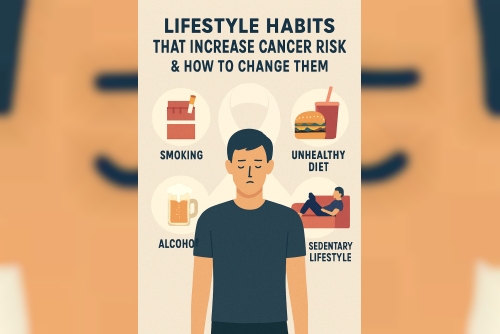
Cancer remains one of the leading causes of mortality worldwide, with the World Health Organization reporting approximately 10 million cancer-related deaths in 2020. While genetics play a role in cancer development, research consistently shows that lifestyle factors contribute to 30-50% of all cancer cases. The encouraging news? Many of these risk factors are entirely within our control.
Understanding which daily habits increase cancer risk and implementing strategic changes can significantly reduce your likelihood of developing this devastating disease. Whether you're seeking guidance from the best stomach cancer doctor in Mumbai or looking to make preventive lifestyle changes, this comprehensive guide will equip you with the knowledge to protect your health.
Understanding the Lifestyle-Cancer ConnectionCancer develops when normal cells undergo genetic mutations that cause them to grow uncontrollably. While some mutations are hereditary, environmental and lifestyle factors often trigger these cellular changes. The American Cancer Society estimates that approximately 42% of cancer cases and 45% of cancer deaths in the United States are associated with modifiable risk factors.
The relationship between lifestyle and cancer isn't always immediate. Many cancer-causing habits work cumulatively over years or decades, making prevention efforts crucial at every life stage.
1. Tobacco Use: The Leading Preventable Cancer Risk The Devastating StatisticsTobacco use remains the single largest preventable cause of cancer worldwide. According to the Centers for Disease Control and Prevention (CDC), smoking causes about 80-90% of lung cancer deaths and is linked to at least 15 different types of cancer, including:
Lung cancer Mouth and throat cancer Esophageal cancer Stomach cancer Pancreatic cancer Bladder cancer Kidney cancer Cervical cancerThe numbers are staggering: tobacco use accounts for approximately 22% of cancer deaths globally, resulting in over 2 million cancer-related deaths annually.
How Tobacco Causes CancerCigarette smoke contains over 7,000 chemicals, with at least 70 known to be carcinogenic. These toxins damage DNA, weaken the immune system, and interfere with the body's ability to repair cellular damage. Even smokeless tobacco and secondhand smoke exposure significantly increase cancer risk.
Making the Change: Quitting Strategies That WorkImmediate Benefits: Within 20 minutes of quitting, your heart rate and blood pressure drop. Within 12 hours, carbon monoxide levels in your blood return to normal. After 10 years, your lung cancer risk drops by about half compared to someone who continues smoking.
Proven Quitting Methods:
Nicotine Replacement Therapy (NRT): Patches, gums, and lozenges can double your chances of successfully quitting Prescription Medications: Varenicline (Chantix) and bupropion (Zyban) have shown effectiveness in clinical trials Behavioral Counseling: Combining medication with counseling increases success rates to 25-30% Mobile Apps and Support Groups: Digital tools and peer support provide accountability and coping strategies Cold Turkey with Support: While challenging, approximately 4-7% succeed with this method, especially with strong social supportConsulting healthcare professionals, including specialists like the best stomach cancer doctor in Mumbai, can provide personalized quit plans and monitor your progress effectively.
2. Excessive Alcohol Consumption: A Hidden Danger The Alcohol-Cancer LinkThe relationship between alcohol and cancer is dose-dependent—the more you drink, the higher your risk. The National Cancer Institute confirms that alcohol consumption increases the risk of six types of cancer:
Mouth and throat cancer (oral cavity and pharynx) Esophageal cancer (particularly squamous cell carcinoma) Laryngeal cancer Breast cancer Liver cancer Colorectal cancerEven moderate drinking (one drink per day) increases breast cancer risk by 5-9%. Heavy drinkers face substantially higher risks, with those consuming 3.5 drinks or more daily having 2-3 times the risk of developing head and neck cancers compared to non-drinkers.
How Alcohol Damages CellsAlcohol breaks down into acetaldehyde, a toxic chemical that damages DNA and prevents cells from repairing this damage. Alcohol also increases estrogen levels, which may explain its link to breast cancer, and impairs the body's ability to absorb nutrients like folate, vitamins A, C, D, and E—all crucial for cancer prevention.
Transforming Your Drinking HabitsRecommended Limits: The American Cancer Society recommends that people who drink alcohol should limit intake to no more than one drink per day for women and two drinks per day for men.
Practical Reduction Strategies:
Set specific, measurable goals (e.g., "I'll only drink on weekends") Track your consumption using smartphone apps or journals Alternate alcoholic drinks with water or non-alcoholic beverages Avoid drinking triggers by changing routines Choose alcohol-free days each week Explore mocktails and sophisticated non-alcoholic alternatives Seek social support from friends and family who support your goalsIf you find reducing alcohol consumption difficult, consider speaking with a healthcare provider about support programs or counseling services.
3. Poor Diet and Nutrition: Fueling Cancer Growth The Standard American Diet ProblemResearch published in the Journal of the American Medical Association found that poor diet is associated with over 80,000 new cancer cases annually in the United States. Diets high in processed meats, refined sugars, and unhealthy fats while low in fruits, vegetables, and fiber create an internal environment conducive to cancer development.
Specific Dietary Risk FactorsProcessed and Red Meat: The World Health Organization's International Agency for Research on Cancer classifies processed meat as a Group 1 carcinogen (meaning there's sufficient evidence it causes cancer) and red meat as a Group 2A carcinogen (probably carcinogenic). Each 50-gram portion of processed meat consumed daily increases colorectal cancer risk by approximately 18%.
Ultra-Processed Foods: Foods high in refined sugars, unhealthy fats, and artificial additives promote inflammation, obesity, and insulin resistance—all cancer risk factors. Studies show that a 10% increase in ultra-processed food consumption is associated with a 12% increased risk of overall cancer.
Low Fiber Intake: Fiber helps eliminate carcinogens from the digestive system and feeds beneficial gut bacteria. Adults should consume 25-35 grams of fiber daily, yet most consume less than half this amount.
Building an Anti-Cancer DietFocus on These Foods:
Colorful Vegetables and Fruits: Aim for 5-9 servings daily. Cruciferous vegetables (broccoli, cauliflower, Brussels sprouts) contain sulforaphane, a potent anti-cancer compound Whole Grains: Brown rice, quinoa, oats, and whole wheat provide fiber and essential nutrients Legumes: Beans, lentils, and chickpeas offer protein, fiber, and antioxidants Healthy Fats: Olive oil, avocados, nuts, and fatty fish provide omega-3 fatty acids that reduce inflammation Herbs and Spices: Turmeric, ginger, garlic, and green tea contain compounds with anti-cancer propertiesMeal Planning Tips:
Fill half your plate with vegetables and fruits Choose whole grains over refined carbohydrates Limit red meat to 3-4 servings per week (3-4 ounces each) Eliminate processed meats entirely Cook at home more frequently to control ingredients Practice portion control to maintain healthy weightConsulting with a nutritionist or specialists like the best stomach cancer doctor in Mumbai can help create personalized dietary plans that address your specific risk factors.
4. Physical Inactivity: The Sedentary Lifestyle Epidemic Understanding the Exercise-Cancer ConnectionPhysical inactivity is linked to increased risk of several cancers, including colon, breast, endometrial, lung, and possibly pancreatic and prostate cancers. The American Cancer Society reports that physical activity is associated with a 24% reduced risk of colon cancer and a 12-21% reduced risk of breast cancer.
Globally, physical inactivity accounts for approximately 3-5% of all cancers. Conversely, the World Health Organization estimates that regular physical activity could prevent about 9-19% of all cancers.
How Exercise Prevents CancerPhysical activity reduces cancer risk through multiple mechanisms:
Reducing inflammation and oxidative stress Improving immune system function Regulating hormone levels (particularly estrogen and insulin) Promoting healthy digestion and reducing transit time of potential carcinogens through the colon Maintaining healthy body weight Reducing insulin resistance and blood glucose levels Creating an Active LifestyleRecommended Activity Levels: The American Cancer Society recommends:
At least 150-300 minutes of moderate-intensity activity per week (brisk walking, cycling, swimming) OR 75-150 minutes of vigorous-intensity activity (running, aerobic dance, competitive sports) Strength training exercises at least 2 days per week Minimizing sedentary time throughout the dayPractical Implementation Strategies:
Start small: Begin with 10-minute walks and gradually increase duration Find activities you enjoy to ensure consistency Schedule exercise appointments like important meetings Use fitness trackers to monitor progress and stay motivated Take movement breaks every hour during work Choose active transportation when possible (walking, cycling) Make exercise social by joining classes or finding workout partners Try standing desks or treadmill workstations Use stairs instead of elevators Park farther away to add extra stepsRemember, any movement is better than none. Even light activity provides benefits over complete inactivity.
5. Obesity and Weight Management: A Growing Concern The Obesity-Cancer ConnectionObesity is recognized as a major risk factor for at least 13 types of cancer, accounting for approximately 7-8% of all cancers in the United States. These include:
Esophageal adenocarcinoma Stomach cancer (gastric cardia) Liver cancer Pancreatic cancer Colorectal cancer Breast cancer (postmenopausal) Ovarian cancer Endometrial cancer Kidney cancer Thyroid cancer Meningioma Multiple myelomaAccording to research published in the New England Journal of Medicine, excess body weight is responsible for approximately 14% of cancer deaths in men and 20% in women.
Why Excess Weight Increases Cancer RiskObesity promotes cancer development through several biological mechanisms:
Chronic Inflammation: Fat tissue produces inflammatory proteins that can damage DNA Hormonal Imbalances: Fat cells produce excess estrogen, linked to breast and endometrial cancers Insulin Resistance: Elevated insulin and insulin-like growth factors promote cell proliferation Altered Gut Microbiome: Obesity changes intestinal bacteria composition, affecting metabolism and inflammation Achieving and Maintaining Healthy WeightSetting Realistic Goals: Aim for gradual weight loss of 1-2 pounds per week. Even modest weight loss of 5-10% of body weight provides significant health benefits.
Sustainable Weight Management Strategies:
Adopt a balanced, calorie-appropriate diet rich in whole foods Practice mindful eating by paying attention to hunger and fullness cues Keep a food diary to identify problem areas Prioritize protein to maintain muscle mass during weight loss Stay hydrated with water rather than sugary beverages Get adequate sleep (7-9 hours nightly) as poor sleep disrupts metabolism Manage stress through meditation, yoga, or counseling Build sustainable exercise habits as discussed in the previous section Seek professional support from registered dietitians, personal trainers, or weight management programsFor individuals with significant weight challenges, consulting healthcare providers including the best stomach cancer doctor in Mumbai can provide medical guidance and identify underlying health issues that may affect weight management.
6. Sun Exposure and UV Radiation: Skin Cancer Prevention The Skin Cancer EpidemicSkin cancer is the most common cancer in the United States, with over 5 million cases treated annually. The Skin Cancer Foundation reports that one in five Americans will develop skin cancer by age 70. More than 90% of melanomas are caused by excessive UV radiation exposure.
UV Radiation MechanismsUltraviolet radiation damages the DNA in skin cells, potentially causing mutations that lead to cancer. Both UVA and UVB rays contribute to skin cancer development, with UVB primarily responsible for sunburns and UVA penetrating deeper into the skin.
Effective Sun Protection StrategiesDaily Protection Habits:
Apply broad-spectrum sunscreen (SPF 30 or higher) daily, even on cloudy days Reapply sunscreen every two hours, or immediately after swimming or sweating Wear protective clothing including wide-brimmed hats and UV-blocking sunglasses Seek shade during peak sun hours (10 AM to 4 PM) Avoid tanning beds entirely—they emit concentrated UV radiation Check your skin monthly for changes in moles or new growths Schedule annual skin examinations with a dermatologist, especially if you have risk factorsUnderstanding Your Risk: People with fair skin, numerous moles, family history of skin cancer, or history of sunburns face elevated risk and should be especially vigilant about sun protection.
7. Chronic Stress and Poor Sleep: The Hidden Contributors Stress, Sleep, and Cancer DevelopmentWhile the relationship between stress and cancer is complex, chronic stress and poor sleep quality may indirectly increase cancer risk through several pathways. Studies suggest that prolonged stress:
Weakens immune system function Promotes inflammation Encourages unhealthy coping behaviors (smoking, drinking, poor diet) Disrupts hormonal balance Impairs DNA repair mechanismsResearch published in the journal Cancer Research found that chronic stress can stimulate the development and spread of cancer by affecting the body's stress hormone pathways.
The Sleep-Cancer ConnectionInsufficient sleep (less than 7 hours nightly) has been associated with increased risk of breast, colorectal, and prostate cancers. Night shift workers who experience circadian rhythm disruption face elevated cancer risk. The World Health Organization classifies shift work involving circadian disruption as a probable carcinogen.
Stress Management and Sleep ImprovementStress Reduction Techniques:
Practice daily meditation or mindfulness exercises (even 10-15 minutes provides benefits) Engage in regular physical activity, which naturally reduces stress hormones Maintain strong social connections and seek support when needed Consider professional counseling or cognitive-behavioral therapy Learn time management skills to reduce overwhelming feelings Practice progressive muscle relaxation or deep breathing exercises Engage in hobbies and activities that bring joy Set boundaries and learn to say no to excessive commitmentsSleep Hygiene Practices:
Maintain a consistent sleep schedule, even on weekends Create a dark, quiet, cool sleeping environment Limit screen exposure 1-2 hours before bedtime due to blue light disruption Avoid caffeine after 2 PM and limit alcohol close to bedtime Establish a relaxing bedtime routine Exercise regularly, but not within 3 hours of bedtime Address underlying sleep disorders like sleep apnea with medical help Consider cognitive-behavioral therapy for insomnia (CBT-I) if sleep problems persist 8. Environmental and Occupational Exposures Recognizing Hidden CarcinogensBeyond lifestyle choices, environmental and occupational exposures contribute to cancer risk. The National Cancer Institute estimates that 4-6% of all cancers result from occupational exposures.
Common Environmental Carcinogens:
Asbestos (lung cancer, mesothelioma) Radon gas (second leading cause of lung cancer) Benzene (leukemia) Formaldehyde (nasopharyngeal cancer) Diesel exhaust (lung cancer) Air pollution particulate matter Protection Strategies Test your home for radon and remediate if necessary Use proper protective equipment in occupational settings Follow safety protocols when handling hazardous materials Choose natural cleaning products when possible Improve indoor air quality with proper ventilation and air purifiers Limit exposure to pesticides and herbicides Be aware of workplace chemical exposures and exercise your right to safe working conditions 9. Infections and Vaccinations: Preventable Cancer Causes The Infection-Cancer LinkCertain viral and bacterial infections account for approximately 15-20% of all cancers worldwide. Key examples include:
Human papillomavirus (HPV): Cervical, anal, throat, and other cancers Hepatitis B and C viruses: Liver cancer Helicobacter pylori bacteria: Stomach cancer Epstein-Barr virus: Certain lymphomas and nasopharyngeal cancer Human immunodeficiency virus (HIV): Various cancers due to immune suppression Prevention Through Vaccination and TreatmentHPV Vaccination: The HPV vaccine can prevent over 90% of HPV-related cancers. The CDC recommends vaccination for all preteens (boys and girls) at age 11-12, though catch-up vaccination is available through age 26 and sometimes up to age 45.
Hepatitis B Vaccination: Protects against hepatitis B infection and subsequent liver cancer. This vaccine is particularly important for healthcare workers and those at increased risk.
H. pylori Treatment: If you're diagnosed with H. pylori infection, antibiotic treatment can eliminate the bacteria and reduce stomach cancer risk. Consulting with experts like the best stomach cancer doctor in Mumbai ensures proper diagnosis and treatment of H. pylori infections.
Other Preventive Measures:
Practice safe sex to reduce transmission of sexually transmitted infections Avoid sharing needles or personal care items that may carry blood Get screened for hepatitis infections if you're at risk Follow standard precautions in healthcare settings 10. Lack of Cancer Screening: Early Detection Saves Lives The Importance of Regular ScreeningWhile not a lifestyle "habit" in the traditional sense, failing to participate in recommended cancer screenings represents a missed opportunity for prevention and early detection. Many cancers are highly treatable when caught early, with 5-year survival rates exceeding 90% for several cancer types detected at early stages.
Recommended Screening GuidelinesBreast Cancer:
Mammography starting at age 40-50 (discuss timing with your doctor) Clinical breast exams and self-awareness of breast changesColorectal Cancer:
Colonoscopy every 10 years starting at age 45 (earlier if high risk) Stool-based tests annually or every 1-3 years depending on typeCervical Cancer:
Pap test and HPV testing starting at age 25 Frequency based on test type and resultsLung Cancer:
Low-dose CT screening for high-risk individuals (heavy smoking history) Annual screening for current and former smokers aged 50-80Prostate Cancer:
Discuss PSA testing with your doctor starting at age 50 (earlier if high risk) Individual decision-making based on risk-benefit discussionStomach Cancer:
If you have risk factors like H. pylori infection, family history, or chronic gastritis, consult with specialists like the best stomach cancer doctor in Mumbai about screening options Creating Your Personal Cancer Prevention PlanImplementing lifestyle changes can feel overwhelming, but remember that even small modifications accumulate to create significant risk reduction. Here's how to begin:
Step 1: Assess Your Current Risk Factors Review your family health history Evaluate your current lifestyle habits honestly Consider environmental and occupational exposures Discuss your individual risk profile with healthcare providers Step 2: Prioritize Changes Identify which risk factors apply most to your situation Choose 1-2 changes to implement initially Build on success by gradually adding more healthy habits Step 3: Set SMART Goals Specific: "I will walk 30 minutes five days per week" rather than "I'll exercise more" Measurable: Track progress quantitatively Achievable: Start with realistic targets Relevant: Choose changes that address your specific risk factors Time-bound: Set deadlines for achieving milestones Step 4: Build Support Systems Share your goals with family and friends Join support groups or programs Work with healthcare professionals including dietitians, counselors, and physicians For specialized concerns like stomach cancer prevention, consult with the best stomach cancer doctor in Mumbai or your local area Step 5: Monitor and Adjust Keep records of your progress Celebrate successes, no matter how small Learn from setbacks without harsh self-judgment Adjust strategies as needed based on what works for you Schedule regular check-ins with healthcare providers The Role of Medical Expertise in Cancer PreventionWhile lifestyle modifications form the foundation of cancer prevention, medical guidance ensures these changes align with your individual health profile. Consulting with specialists provides:
Personalized risk assessment based on genetics and medical history Screening recommendations tailored to your risk factors Professional support for implementing lifestyle changes Management of conditions that increase cancer risk (obesity, diabetes, inflammatory conditions) Early detection and intervention when abnormalities ariseFor those concerned about gastrointestinal cancers, seeking guidance from the best stomach cancer doctor in Mumbai or a qualified gastroenterologist in your area ensures comprehensive prevention strategies and appropriate screening protocols.
The Compound Effect: Long-Term BenefitsThe changes you make today create ripple effects throughout your life. Research consistently demonstrates that:
People who maintain healthy lifestyles experience 40-50% lower cancer incidence Cancer survivors who adopt healthy habits have better outcomes and reduced recurrence Healthy lifestyle choices protect against numerous other chronic diseases including heart disease, diabetes, and neurodegenerative conditions Quality of life improvements often manifest within weeks of implementing positive changesRemember that cancer prevention isn't about perfection—it's about progress. Each healthy choice you make shifts your risk profile in a positive direction.
Conclusion: Empowering Your Health JourneyCancer prevention through lifestyle modification represents one of the most powerful tools available for protecting your long-term health. While we cannot control all cancer risk factors, the habits discussed in this article—from eliminating tobacco use to maintaining healthy weight, from protecting against sun damage to managing stress—collectively create a robust defense against this disease.
The evidence is clear: approximately 40% of cancer cases are preventable through lifestyle changes. This means that the power to significantly reduce your cancer risk lies largely in your hands. Whether you're making changes to protect yourself or supporting a loved one's health journey, every positive step matters.
Start today. Choose one habit to change. Build momentum. Seek professional guidance when needed. And remember that consulting with healthcare professionals, including specialists like the best stomach cancer doctor in Mumbai for specific concerns, ensures your prevention efforts are comprehensive and evidence-based.
Your future self will thank you for the investments you make in your health today. Cancer prevention is not a single action but a lifelong commitment to choices that honor your body and protect your wellbeing.