

Your bones are living tissues that constantly rebuild themselves, maintaining strength and density throughout your life. However, as you age, this delicate balance can shift, leading to conditions that weaken your skeletal structure. Two of the most common bone density disorders are osteopenia and osteoporosis, conditions that affect millions of people worldwide but are often misunderstood or overlooked until a fracture occurs.
Understanding the distinction between these two conditions isn't just about medical terminology. It's about recognizing warning signs early, taking preventive action, and knowing when to seek expert medical guidance from specialists like the best orthopedic surgeon doctor in Kolkata or your local area. This comprehensive guide will walk you through everything you need to know about osteopenia and osteoporosis, from diagnosis to treatment and beyond.
Understanding Bone Density: The Foundation of Bone HealthBefore diving into the differences between osteopenia and osteoporosis, it's essential to understand what bone density means and why it matters.
Bone density, or bone mineral density (BMD), refers to the amount of mineral content in your bones. Higher density means stronger, more resilient bones that can better withstand stress and impact. Your bones reach peak density around age 30, after which bone density naturally begins to decline. The rate of this decline varies significantly based on genetics, lifestyle, nutrition, and hormonal factors.
According to the International Osteoporosis Foundation, approximately 200 million women worldwide are affected by osteoporosis. In India alone, studies suggest that one in three women over the age of 50 will experience osteoporotic fractures, and the numbers are rising among men as well, with one in five men over 50 at risk.
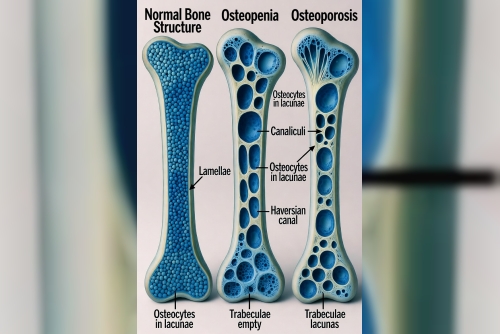
What Is Osteopenia?Osteopenia is a condition characterized by lower-than-normal bone density, but not low enough to be classified as osteoporosis. Think of it as the middle ground between healthy bones and osteoporosis—a warning sign that your bones are becoming weaker but haven't reached the critical threshold yet.
The T-Score: Measuring Bone DensityMedical professionals diagnose osteopenia using a specialized test called dual-energy X-ray absorptiometry (DEXA or DXA scan). This painless test measures bone density and compares it to the bone density of a healthy 30-year-old adult of the same sex. The result is expressed as a T-score:
Normal bone density: T-score of -1.0 or above Osteopenia: T-score between -1.0 and -2.5 Osteoporosis: T-score of -2.5 or belowIf you have osteopenia, your T-score indicates that your bone density is 10-25% below the peak bone mass of a healthy young adult. While this represents bone loss, it's not severe enough to dramatically increase fracture risk in most cases.
Who Is at Risk for Osteopenia?Several factors can increase your likelihood of developing osteopenia:
Age: People over 50, particularly postmenopausal women Gender: Women are at higher risk due to hormonal changes during menopause Family history: Genetics play a significant role in bone density Body frame: Smaller, thinner individuals have less bone mass to begin with Ethnicity: Asian and Caucasian populations have higher risk rates Lifestyle factors: Sedentary lifestyle, smoking, excessive alcohol consumption Dietary factors: Low calcium and vitamin D intake Medical conditions: Hyperthyroidism, rheumatoid arthritis, celiac disease Medications: Long-term use of corticosteroids, certain anti-seizure medicationsResearch published in the Journal of Bone and Mineral Research indicates that approximately 34 million Americans have osteopenia, making it one of the most prevalent bone health conditions.
What Is Osteoporosis?Osteoporosis is a more severe bone disease characterized by significantly reduced bone density and structural deterioration of bone tissue. The name literally means "porous bones," and if you could look inside an osteoporotic bone under a microscope, you'd see larger spaces and thinner structures compared to healthy bone.
The Silent DiseaseOsteoporosis is often called the "silent disease" because bone loss occurs progressively and without symptoms. Many people don't realize they have osteoporosis until they experience a fracture from a minor fall or even a simple action like coughing or bending over.
Osteoporosis Statistics: A Global PerspectiveThe numbers surrounding osteoporosis are sobering:
Every 3 seconds, an osteoporotic fracture occurs somewhere in the world Osteoporosis causes more than 8.9 million fractures annually worldwide In India, an estimated 50 million people are affected by osteoporosis or low bone mass Hip fractures due to osteoporosis have a 20-30% mortality rate within one year Women lose approximately 20% of their bone density in the five to seven years following menopause By 2050, the worldwide incidence of hip fractures is projected to increase by 310% in men and 240% in womenThese statistics underscore the importance of early detection and intervention, which is why consulting specialists such as the best orthopedic surgeon doctor in Kolkata or your region can be life-changing.
Key Differences Between Osteopenia and OsteoporosisWhile both conditions involve decreased bone density, several crucial differences distinguish them:
Severity of Bone LossThe primary difference lies in the degree of bone loss. Osteopenia represents mild to moderate bone loss (T-score between -1.0 and -2.5), while osteoporosis indicates severe bone loss (T-score of -2.5 or lower). This numerical distinction translates into significantly different fracture risks.
Fracture RiskPeople with osteopenia have an increased fracture risk compared to those with normal bone density, but this risk is substantially lower than for those with osteoporosis. Studies show that individuals with osteoporosis are four to five times more likely to experience fractures than those with normal bone density, while osteopenia increases fracture risk by approximately 1.5 to 2 times.
Treatment ApproachOsteopenia treatment typically focuses on lifestyle modifications, dietary changes, and preventive measures. In contrast, osteoporosis often requires pharmaceutical intervention in addition to lifestyle changes. Medications for osteoporosis include bisphosphonates, hormone replacement therapy, RANK ligand inhibitors, and anabolic agents.
ProgressionNot everyone with osteopenia will develop osteoporosis. With proper intervention, including exercise, adequate nutrition, and sometimes medication, bone loss can be slowed or even reversed in some cases. However, without intervention, osteopenia can progress to osteoporosis over time.
Symptoms and DetectionBoth conditions are typically asymptomatic until a fracture occurs. However, osteoporosis may present with some warning signs:
Loss of height over time (more than 1.5 inches) Stooped or hunched posture (kyphosis) Back pain caused by collapsed or fractured vertebrae Bones that break more easily than expectedThese symptoms are rarely present in osteopenia, making regular screening essential for early detection.
Diagnosis: How Are These Conditions Detected? DEXA Scan: The Gold StandardThe DEXA scan remains the most reliable method for measuring bone density. This low-radiation X-ray examination typically measures bone density at the hip and spine, the sites most vulnerable to osteoporotic fractures. The test takes only 10-15 minutes and is completely painless.
Who Should Get Tested?The National Osteoporosis Foundation recommends bone density testing for:
Women aged 65 and older Men aged 70 and older Postmenopausal women under 65 with risk factors Men aged 50-69 with risk factors Anyone who has experienced a fracture after age 50 Adults with conditions or taking medications associated with bone loss Additional Diagnostic ToolsBeyond DEXA scans, physicians may use:
Quantitative computed tomography (QCT): Provides 3D measurements but involves higher radiation exposure Quantitative ultrasound (QUS): Often used for screening, typically at the heel Blood and urine tests: To check calcium levels, vitamin D, thyroid function, and bone turnover markers Fracture risk assessment tools: Such as FRAX, which calculates 10-year probability of fractureIf you're in Eastern India and concerned about your bone health, consulting the best orthopedic surgeon doctor in Kolkata can provide access to state-of-the-art diagnostic facilities and expert interpretation of your results.
Risk Factors: Are You at Risk?Understanding your personal risk factors is crucial for prevention and early intervention.
Non-Modifiable Risk FactorsSome risk factors cannot be changed but should be considered:
Age: Risk increases significantly after age 50 Gender: Women are four times more likely to develop osteoporosis than men Ethnicity: Higher prevalence in Caucasian and Asian populations Family history: Having a parent with osteoporosis, especially hip fractures Body frame: Small, thin body frame means less bone mass Previous fractures: History of fractures from minimal trauma Modifiable Risk FactorsThese factors can be addressed through lifestyle changes:
Low calcium intake: Chronic calcium deficiency contributes to diminished bone density Vitamin D deficiency: Essential for calcium absorption Sedentary lifestyle: Physical inactivity weakens bones Excessive alcohol consumption: More than two drinks per day Tobacco use: Smoking interferes with bone formation Eating disorders: Anorexia and bulimia significantly affect bone health Low body weight: BMI under 19 increases risk Medical Conditions and MedicationsCertain health conditions and treatments increase osteoporosis risk:
Hormonal disorders: Hyperthyroidism, hyperparathyroidism, Cushing's syndrome Gastrointestinal diseases: Celiac disease, inflammatory bowel disease Rheumatoid arthritis and other autoimmune disorders Kidney or liver disease Cancer treatments: Chemotherapy and radiation Long-term corticosteroid use: Prednisone, cortisone Proton pump inhibitors: When used long-term Selective serotonin reuptake inhibitors (SSRIs): Some antidepressants Certain diabetes medications: Thiazolidinediones What Comes Next: Treatment and Management Strategies For Osteopenia: Prevention-Focused ApproachIf diagnosed with osteopenia, your primary goal is preventing progression to osteoporosis:
Nutritional InterventionsCalcium: Adults need 1,000-1,200 mg daily. Excellent sources include:
Dairy products (milk, yogurt, cheese) Leafy green vegetables (kale, collard greens) Fortified foods (orange juice, cereals) Sardines and salmon with bones Almonds and sesame seedsVitamin D: Essential for calcium absorption; aim for 600-800 IU daily (some experts recommend up to 1,000-2,000 IU):
Sunlight exposure (15-20 minutes daily) Fatty fish (salmon, mackerel, tuna) Egg yolks Fortified foods Supplements if neededOther bone-supporting nutrients:
Magnesium (nuts, seeds, whole grains) Vitamin K (leafy greens) Protein (lean meats, legumes, dairy) Exercise RecommendationsResearch shows that specific exercises can maintain or even increase bone density:
Weight-bearing exercises (30 minutes, most days):
Walking, jogging, or running Dancing Stair climbing Tennis or other racquet sportsResistance training (2-3 times per week):
Free weights or weight machines Resistance bands Bodyweight exercises (push-ups, squats)Balance and flexibility exercises:
Yoga Tai chi PilatesA study published in the Journal of Bone and Mineral Research found that women who engaged in regular weight-bearing exercise had significantly higher bone density than sedentary women, with improvements visible after just 12 months.
Lifestyle Modifications Quit smoking: Smoking reduces blood supply to bones and decreases calcium absorption Limit alcohol: Keep consumption to no more than one drink per day for women, two for men Prevent falls: Remove home hazards, use assistive devices if needed, ensure adequate lighting Regular monitoring: Follow-up DEXA scans every 1-2 years to track changes For Osteoporosis: Comprehensive Treatment ApproachOsteoporosis requires a more aggressive treatment strategy that typically includes medications alongside lifestyle changes.
Pharmaceutical TreatmentsBisphosphonates: Most commonly prescribed medications for osteoporosis
Alendronate (Fosamax) Risedronate (Actonel) Ibandronate (Boniva) Zoledronic acid (Reclast)These medications slow bone breakdown and reduce fracture risk by 30-70% depending on the site.
RANK ligand (RANKL) inhibitors:
Denosumab (Prolia, Xgeva): Given as injection every six monthsHormone-related therapy:
Estrogen therapy for postmenopausal women (benefits and risks must be carefully considered) Selective estrogen receptor modulators (SERMs) like raloxifeneAnabolic agents (bone-building medications):
Teriparatide (Forteo): Daily injection Abaloparatide (Tymlos): Daily injection Romosozumab (Evenity): Monthly injection for 12 monthsCalcitonin: Less commonly used now, available as nasal spray or injection
The choice of medication depends on various factors including fracture risk, age, gender, other health conditions, and potential side effects. This is where consulting experienced specialists becomes crucial. The best orthopedic surgeon doctor in Kolkata or other metropolitan areas can provide personalized treatment plans based on the latest research and clinical guidelines.
Surgical InterventionsFor fractures that do occur, surgical options include:
Vertebroplasty and kyphoplasty: Minimally invasive procedures for spinal compression fractures Hip fracture repair: Internal fixation or hip replacement Wrist fracture fixation: Surgical stabilization when necessary Monitoring and Follow-upRegular monitoring is essential for osteoporosis management:
DEXA scans every 1-2 years to assess treatment effectiveness Blood tests to monitor bone turnover markers Assessment of fracture risk Medication tolerance and side effect monitoring Fall risk evaluation Special Considerations: Women, Men, and Different Life Stages Postmenopausal WomenThe drop in estrogen levels during menopause accelerates bone loss dramatically. Women can lose up to 20% of their bone density in the five to seven years following menopause. This makes early screening and intervention particularly important for this demographic.
Men and Bone HealthWhile osteoporosis is more common in women, men are not immune. Approximately 20% of osteoporosis cases occur in men. Men typically develop osteoporosis later than women, but when they do fracture, they often face worse outcomes. Testosterone deficiency, chronic diseases, and medications contribute to bone loss in men.
Younger AdultsWhile osteoporosis primarily affects older adults, younger people can develop secondary osteoporosis due to:
Eating disorders Chronic medication use (especially corticosteroids) Medical conditions affecting bone metabolism Prolonged immobilization Poor nutrition during critical bone-building yearsBuilding strong bones during childhood, adolescence, and young adulthood through proper nutrition and exercise creates a "bone bank" that protects against future bone loss.
The Role of Orthopedic Specialists in Bone HealthManaging bone density disorders often requires a multidisciplinary approach. While primary care physicians typically conduct initial screening and diagnosis, orthopedic surgeons play a crucial role in:
Treating fractures resulting from osteoporosis Performing preventive procedures Providing specialized surgical interventions Coordinating comprehensive bone health management Offering expert consultation on complex casesFor residents of Eastern India seeking expert care, finding the best orthopedic surgeon doctor in Kolkata ensures access to:
Advanced diagnostic facilities Latest treatment protocols Experienced surgical care if needed Comprehensive follow-up programs Multidisciplinary care teamsLeading orthopedic centers in metropolitan areas like Kolkata offer integrated bone health programs that combine endocrinology, rheumatology, nutrition, and physical therapy services.
Prevention: Building Strong Bones for LifeThe best approach to osteopenia and osteoporosis is prevention. Building strong bones during youth and maintaining bone health throughout life significantly reduces your risk.
Childhood and Adolescence (Peak Bone-Building Years) Ensure adequate calcium intake (1,300 mg daily for ages 9-18) Maintain sufficient vitamin D levels Encourage weight-bearing physical activities Limit soft drinks (phosphoric acid may interfere with calcium absorption) Build healthy eating habits Young Adulthood (Maintaining Peak Bone Mass) Continue calcium and vitamin D intake Engage in regular weight-bearing exercise Avoid smoking and excessive alcohol Address any eating disorders promptly Consider bone density screening if risk factors present Middle Age (Slowing Bone Loss) Monitor hormone levels (especially for women approaching menopause) Increase weight-bearing and resistance exercises Ensure adequate nutrition Discuss preventive medications with your doctor if at high risk Get baseline DEXA scan Older Adults (Preventing Fractures) Continue bone-strengthening exercises adapted to fitness level Maintain calcium and vitamin D supplementation Take prescribed medications consistently Implement fall prevention strategies Regular bone density monitoring Living Well with Osteopenia or OsteoporosisA diagnosis of osteopenia or osteoporosis isn't a life sentence of limitations. With proper management, most people continue to live active, fulfilling lives.
Practical Tips for Daily LifeHome safety:
Remove loose rugs and clutter Install grab bars in bathrooms Ensure adequate lighting, especially on stairs Use non-slip mats in bathtubs and showers Keep frequently used items within easy reachBody mechanics:
Bend at the knees, not the waist Avoid twisting your spine while lifting Use proper posture when sitting and standing Choose supportive shoes with good traction Use assistive devices when needed (canes, walkers)Activity adaptations:
Choose low-impact exercises that minimize fall risk Avoid activities with high impact or twisting motions Practice balance exercises regularly Consider working with a physical therapist Stay active but be mindful of your limitations Mental and Emotional HealthBeing diagnosed with a bone density disorder can be emotionally challenging. Many people experience:
Anxiety about falling or fracturing Depression or feelings of helplessness Fear of losing independence Frustration with physical limitationsSupport strategies include:
Joining support groups (online or in-person) Speaking with a mental health professional Educating yourself about your condition Staying socially connected Focusing on what you can control Emerging Research and Future TreatmentsThe field of bone health is rapidly evolving, with exciting developments on the horizon:
New MedicationsResearchers are developing novel drugs that:
Target specific bone remodeling pathways more precisely Have fewer side effects than current medications Can be administered less frequently Potentially reverse bone loss more effectively Genetic TestingUnderstanding genetic markers for bone density may allow for:
Earlier identification of at-risk individuals Personalized prevention strategies Targeted treatments based on genetic profiles Advanced ImagingNew imaging technologies promise:
Better assessment of bone quality beyond just density Earlier detection of bone deterioration More accurate fracture risk prediction Stem Cell TherapyResearch into stem cell applications for bone regeneration shows promise for:
Repairing fractures Rebuilding bone structure Potentially reversing osteoporosis When to Seek Medical HelpConsult a healthcare provider if you:
Are approaching menopause or have recently gone through it Have a family history of osteoporosis or fractures Have broken a bone after age 50 Experience back pain with no clear cause Notice loss of height or stooped posture Have risk factors for bone loss Take medications that affect bone healthFor residents of Eastern India, seeking consultation with the best orthopedic surgeon doctor in Kolkata or your local area ensures comprehensive evaluation and treatment planning.
Questions to Ask Your DoctorWhen discussing bone health with your physician, consider asking:
Should I have a bone density test? What is my fracture risk? What lifestyle changes should I make? Do I need medication? What are the options? How often should I be monitored? Are there any activities I should avoid? What calcium and vitamin D supplements do you recommend? Should I see any other specialists? Conclusion: Taking Control of Your Bone HealthOsteopenia and osteoporosis represent different stages of bone density loss, but both conditions offer opportunities for intervention and improvement. The key difference lies in the severity of bone loss and the urgency of treatment required. While osteopenia serves as an important warning sign, osteoporosis demands more aggressive management to prevent potentially life-threatening fractures.
The good news is that both conditions are manageable, and in many cases, preventable. By understanding your risk factors, getting appropriate screening, maintaining a bone-healthy lifestyle, and working with qualified healthcare professionals, you can protect your skeletal health well into your later years.
Remember that bone health is a lifelong journey. Whether you're building peak bone mass in your youth, maintaining it in middle age, or protecting it in later years, every step you take matters. From ensuring adequate calcium and vitamin D intake to engaging in regular weight-bearing exercise and avoiding harmful habits like smoking, small daily choices accumulate into significant long-term benefits.
If you're concerned about your bone health or have been diagnosed with osteopenia or osteoporosis, don't delay seeking expert guidance. Whether consulting the best orthopedic surgeon doctor in Kolkata, connecting with specialists in your area, or working with your primary care physician, professional medical advice tailored to your unique situation is invaluable.
Your bones support you every day of your life. Taking steps to support them in return ensures you can continue doing the activities you love, maintaining independence, and enjoying life to its fullest potential. The time to prioritize your bone health is now—because strong bones truly are the foundation of a healthy, active life.