


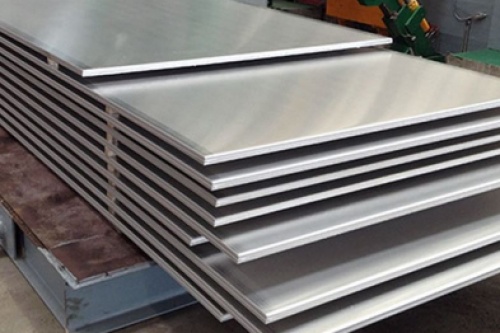
What is Stainless Steel Plates?
Stainless steel plates are flat pieces of metal that are usually around 1/4-inch thick or thinner. They often come in standard sizes such as 4’x8? or 5’x10? but can also be cut into custom sizes. They can be made from various grades of stainless steel including 304 and 316L. Stainless Steel Plates are flat pieces of metal made from an alloy of iron, carbon, and at least 10.5% chromium. The chromium content in stainless steel gives it its characteristic resistance to rust and corrosion, making it a popular material in a wide range of applications where durability and corrosion resistance are required.
Stainless steel plates come in a variety of grades, with different levels of corrosion resistance, strength, and durability. Common grades include 304, 316, and 430, each with its unique properties and applications. Stainless steel plates are used in a wide range of industries, including construction, automotive, food processing, and aerospace. They are often used in applications where high strength, resistance to corrosion, and aesthetic appeal are important factors. Some common uses include kitchen appliances, automotive trim, medical equipment, and building facades.
Applications of Stainless Steel Plates
Stainless steel plates have many applications in both commercial and industrial settings. They are often used in food processing facilities as part of thermal insulation systems and as structural supports in industrial equipment. In addition, they are used to construct tanks and other vessels for storing liquids or chemicals. Additionally, they can be used for decorative purposes such as wall panels or even countertops in kitchens.
Benefits of Stainless Steel Plates
One of the main benefits of stainless steel plates is that they have excellent corrosion resistance due to their chromium content. This makes them ideal for use in wet environments such as chemical plants or food processing facilities where exposure to water or other corrosive substances is inevitable. In addition, stainless steel plates are strong and durable which makes them suitable for structural applications where strength is important. Finally, stainless steel plates can be easily cleaned which makes them useful in sanitary environments like hospitals where cleanliness is essential.