


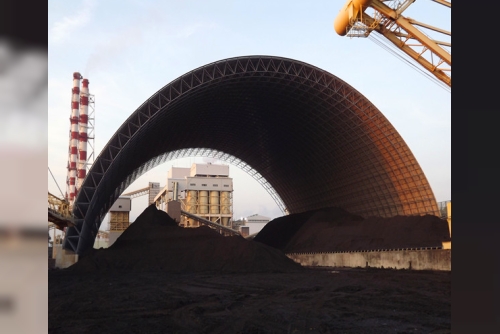
The process typically begins with feedstock preparation—coal is crushed, dried and sized to optimize reaction efficiency. Next, within the gasifier, partial oxidation converts the coal into syngas through a series of chemical reactions including pyrolysis, oxidation and reduction. The produced syngas is then cleaned to remove impurities, making it suitable for downstream applications such as power generation, chemical synthesis (e.g., methanol, ammonia), and hydrogen production. The engineering of each stage—from gasifier design to gas cleaning and heat recovery—is critical to achieving the desired performance and emission targets.
The benefits of coal gasification are significant. Firstly, it allows for more efficient use of coal reserves, including lower-grade coals often unsuitable for direct combustion. It also enables the production of versatile syngas, which can serve as an alternative to natural gas, oil or other conventional fuels. Additionally, gasification systems are often designed for integration with carbon capture and storage (CCS) technologies, offering pathways toward lower-carbon energy production. In many regions, including coal-rich nations, gasification supports energy security by making domestic resources more flexible.
In conclusion, coal gasification offers a compelling bridge between legacy coal resources and future-oriented clean energy systems. For stakeholders seeking to explore this transition, it is essential to consider not only the gasification technology itself, but also the entire ecosystem—from feedstock supply and storage to gas cleaning, conversion, and emissions management. Get the full insight and industry-specific considerations at Coal Gasification – Comprehensive Guide | Alcox Steel.



 Stem Cell Therapy Breakthrough That Doctors Don’t Want You to Miss!