


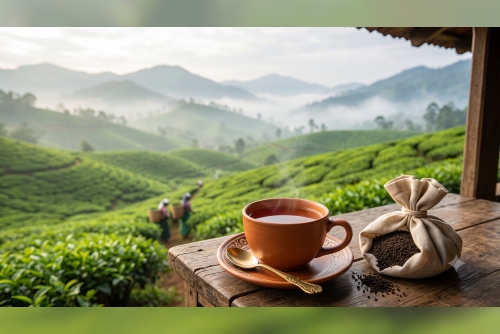
Munnar tea is high-altitude tea cultivated in Kerala's Western Ghats at elevations of 1,500–2,500 metres. The cool climate, rich soil, and misty weather produce tea leaves with exceptional aroma, balanced flavour, and naturally occurring antioxidants, making Munnar one of India's most respected tea-growing regions.
Meta Summary: Explore what makes Munnar Tea unique, its history, health benefits, brewing traditions, and how to choose authentic estate-grown tea from Kerala.
There is something timeless about enjoying a hot cup of Munnar Tea while watching the rain fall over Kerala's lush landscapes. Every sip carries the freshness of mountain air, the richness of fertile soil, and generations of tea-growing expertise that have made Munnar famous among tea lovers.
How Did Munnar Become India's Most Celebrated Tea Region?
Munnar became a major tea-growing region during the British colonial period in the late 1800s. Its unique geography and climate continue to produce some of India's finest estate-grown teas.
Situated in Kerala's Western Ghats, Munnar enjoys cool temperatures throughout the year. Tea bushes of Camellia sinensis grow slowly in this environment, allowing the leaves to develop concentrated flavours and aromatic compounds. Today, the region is recognised worldwide for producing premium Orthodox and CTC teas that reflect the character of the mountains where they are grown.
Why Is Munnar Tea Considered Good for Health?
Munnar tea naturally contains beneficial plant compounds that support overall wellness. Regular tea consumption can be part of a balanced lifestyle when enjoyed without excessive sugar.
Green tea from Munnar contains EGCG, while black tea is rich in theaflavins and polyphenols. These antioxidants help protect cells from oxidative stress. L-theanine promotes calm alertness, creating a pleasant balance between relaxation and mental focus.
Many households also enjoy tea as part of their daily wellness routine alongside traditional Ayurvedic practices.
How Should You Brew Munnar Tea for the Best Flavour?
Proper brewing brings out the natural aroma and flavour of high-quality tea. Water temperature and steeping time make a noticeable difference.
For black tea, use water close to boiling and steep for three to four minutes to produce a bright amber liquor with a bold yet smooth taste. Green tea should be brewed at 75–80°C for around two minutes to preserve its delicate grassy notes.
Many Kerala families enjoy their evening tea with pazhampori, banana chips, or homemade snacks while the kettle gently whistles in the background.
A Tea Journey That Changed Everyday Mornings
Rahul Menon, an IT professional from Ernakulam, often rushed through breakfast before work. During a holiday in Munnar, he visited a tea estate and experienced freshly brewed mountain tea for the first time.
"I had never noticed how naturally sweet tea could taste without adding anything extra," he recalls. "Now every morning starts with a proper cup instead of instant beverages."
That simple change became a daily ritual his family continues to enjoy together.
Is Munnar Tea Better Than Regular Blended Tea?
Munnar tea offers distinct regional characteristics because it is sourced from specific high-altitude estates. Regular blended teas, however, are designed to provide consistent flavour at an affordable price.
If you enjoy experimenting with aroma and unique flavours, Flavoured Tea can be an excellent choice, offering natural additions such as ginger, elaichi, rose, or lemon while preserving the character of quality tea leaves.
Both styles have their place depending on individual preferences and brewing habits.
What Should You Look for When Buying Authentic Tea?
Authentic tea can often be recognised through its aroma, appearance, and sourcing information. Fresh leaves should smell clean and natural, while the brewed liquor should appear bright rather than cloudy.
Tea labelled as Estate tea generally indicates that it originates from identifiable plantations instead of anonymous bulk blends. Checking packaging dates and proper storage conditions also helps ensure freshness.
A quality tea should leave a pleasant lingering flavour instead of excessive bitterness.
Frequently Asked Questions
Q: What makes Munnar tea unique?
A: Munnar tea is unique because it is cultivated in Kerala's high-altitude Western Ghats, where cooler temperatures and misty conditions allow tea leaves to mature slowly. This creates richer aroma, balanced flavour, and naturally high levels of beneficial antioxidants.
Q: Can Munnar tea be consumed every day?
A: Yes. Most healthy adults can enjoy Munnar tea daily as part of a balanced diet. It provides antioxidants, natural flavour, and a refreshing beverage option without requiring artificial ingredients or flavour enhancers.
Q: What is the difference between estate tea and blended tea?
A: Estate tea comes from identifiable plantations, allowing it to showcase the unique characteristics of a particular growing region. Blended tea combines leaves from multiple sources to create a consistent taste and is often chosen for everyday household use.
Q: How should tea be stored after opening?
A: Tea should be kept in an airtight container away from moisture, sunlight, and strong odours. Proper storage preserves freshness, aroma, and flavour while preventing the leaves from absorbing unwanted humidity or surrounding smells.
Conclusion
Every cup of Munnar tea reflects Kerala's remarkable landscape, rich tea-growing heritage, and generations of craftsmanship. Whether enjoyed during a peaceful morning or shared with family over evening conversations, it offers a comforting reminder that exceptional tea begins with exceptional growing conditions.
Choosing carefully sourced, high-altitude tea allows you to experience the authentic taste of Munnar in every brew.