



Bone Grafts in Dentistry: Types, Benefits, Applications & How to Choose the Right Material
Bone grafts have become an integral part of modern implant and regenerative dentistry. Whether you're planning a single implant, preserving an extraction socket, or managing extensive alveolar bone loss, selecting the right graft material can significantly influence treatment outcomes.
Advancements in regenerative biomaterials have expanded the options available to clinicians, making bone grafting procedures more predictable, efficient, and patient-friendly. Understanding the different types of bone grafts and their clinical applications helps ensure long-term success and optimal bone regeneration.
What Are Bone Grafts?
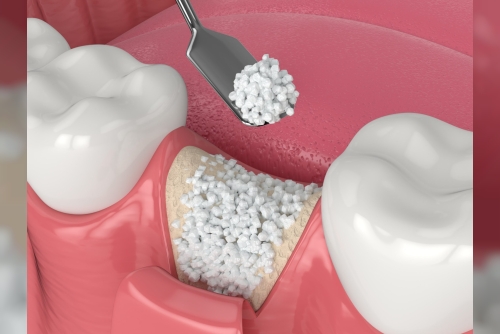
Bone grafts are biocompatible materials used to replace or regenerate lost bone. They provide a scaffold that supports new bone formation, helping restore adequate bone volume and density for procedures such as dental implant placement, ridge augmentation, sinus lifts, and periodontal regeneration.
The ideal bone graft should encourage bone healing, maintain space, integrate well with surrounding tissues, and gradually be replaced by the patient's own bone.
Why Are Bone Grafts Needed?
Bone loss can occur for several reasons, including:
Tooth extraction
Periodontal disease
Trauma
Congenital defects
Periapical infections
Long-term tooth loss causing alveolar ridge resorption
Without sufficient bone volume, implant stability and long-term treatment success may be compromised. Bone grafting helps rebuild the foundation required for functional and aesthetic rehabilitation.
Types of Bone Grafts Used in Dentistry
1. Autografts
Autografts involve harvesting bone from the patient's own body, commonly from the mandibular ramus, chin, or iliac crest.
Advantages:
Excellent osteogenic potential
High biocompatibility
Gold standard for regeneration
Limitations:
Additional surgical site
Increased treatment time
Higher patient morbidity
2. Allografts
Allografts are processed human donor bone obtained from tissue banks.
Advantages:
No second surgical site
Good osteoconductive properties
Widely used for ridge preservation and periodontal defects
Limitations:
Limited osteogenic potential
Slow remodeling compared to autografts
3. Xenografts
Derived from animal sources, primarily bovine bone, xenografts provide a highly stable scaffold for bone formation.
Advantages:
Excellent volume maintenance
Slow resorption
Ideal for sinus augmentation
Limitations:
Longer integration period
Primarily osteoconductive
4. Synthetic Bone Grafts (Alloplasts)
Synthetic bone grafts are manufactured using materials such as calcium phosphate, beta-tricalcium phosphate (β-TCP), hydroxyapatite, bioactive glass, and calcium sulfate.
Advantages:
Unlimited availability
No disease transmission risk
Consistent quality
Cost-effective
Easy handling
These grafts have become increasingly popular because they eliminate donor-site morbidity while providing reliable regenerative support in a wide range of clinical procedures.
Common Clinical Applications of Bone Grafts
Bone grafts are routinely used for:
Dental implant site development
Socket preservation after extraction
Guided Bone Regeneration (GBR)
Sinus lift procedures
Horizontal and vertical ridge augmentation
Treatment of periodontal osseous defects
Peri-implant defect management
Cystic defect reconstruction
Selecting the appropriate graft depends on the defect morphology, desired healing time, and treatment objectives.
Factors to Consider When Choosing Bone Grafts
Choosing the right bone graft requires evaluating several clinical factors:
Size and type of defect
Bone quality
Implant treatment timeline
Resorption rate of the graft
Mechanical stability
Handling characteristics
Patient's systemic health
Cost considerations
Many clinicians also combine graft materials with collagen membranes, PRF, or biologic modifiers to enhance regenerative outcomes.
What Makes an Ideal Bone Graft Material?
An effective bone graft should ideally possess:
Excellent biocompatibility
Osteoconductive properties
Controlled resorption
Volume stability
Easy handling
Sterility and safety
Predictable clinical performance
No single material is suitable for every clinical situation, which is why treatment planning remains essential.
Advantages of Modern Synthetic Bone Grafts
The growing adoption of synthetic bone grafts reflects significant improvements in biomaterial science.
Key benefits include:
Consistent manufacturing quality
Reduced surgical morbidity
Ready availability
No ethical or donor concerns
Excellent shelf life
Predictable handling characteristics
Compatibility with guided bone regeneration techniques
These advantages make synthetic grafts an attractive option for many implant and regenerative procedures.
Bone Graft Healing: What Clinicians Should Expect
Healing depends on multiple factors, including graft type, vascular supply, defect size, patient health, and surgical technique.
Generally, bone regeneration progresses through:
Blood clot formation
Early vascularization
New bone deposition
Gradual graft remodeling
Mature bone formation
Healing may take anywhere from 3 to 9 months depending on the clinical indication and graft material used.
Conclusion
Bone grafts continue to play a vital role in successful implant dentistry and oral rehabilitation. With a growing range of regenerative materials available, clinicians can tailor treatment plans based on the biological and mechanical requirements of each case.
At Dentalkart, dental professionals can explore a comprehensive range of bone graft materials from trusted global brands, helping them choose solutions that align with their clinical preferences and patient needs. Whether you're performing socket preservation, ridge augmentation, or implant site development, access to high-quality regenerative materials can contribute to more predictable treatment outcomes.



