


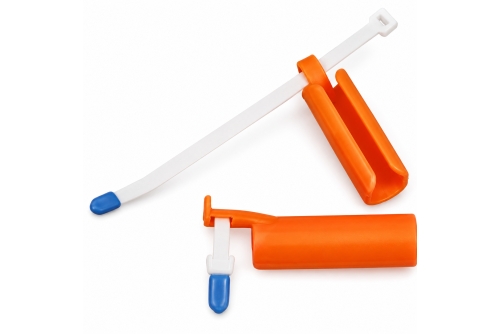
The discomfort caused by Bite Blocks usually comes from the fact that they change the way your teeth meet the moment they are placed. Instead of letting the upper and lower teeth close through their usual pattern, they create new contact points and shift where force lands during chewing, swallowing, and even casual jaw movement. That immediate change can make the bite feel high, awkward, and hard to trust because the mouth is trying to function through a pattern it did not use before. The result is often pressure, soreness, and the strange feeling that even simple eating takes more effort than it should.
What makes the adjustment frustrating is that the discomfort is not always limited to the blocks themselves. The teeth, jaw muscles, and chewing rhythm all have to respond to the new bite relationship, which means the whole system can feel off balance for a while. Bite Blockers are doing a mechanical job, not a comfort job, so the early phase tends to feel more intrusive than patients expect. Once you understand where the discomfort comes from and how daily habits affect it, the experience becomes much easier to manage and a lot less mentally exhausting.
Bite Blocks Hurt Because They Redirect Force To New Contact Points
The main reason Bite Blocks hurt is that they place pressure in areas that were not carrying that pressure before. When the bite closes, force is no longer distributed through the usual pattern of tooth contact. Instead, the blocks take some of that load directly, which can make them feel much more noticeable during the first days. Even if the force itself is not extreme, the change feels intense because the mouth is highly sensitive to new contact points. A surface that was never meant to carry repeated chewing pressure can suddenly feel like the center of every meal.
This is also why discomfort often feels stronger during ordinary activities rather than only during obvious chewing. Swallowing, clenching lightly, or tapping the teeth together can all remind the jaw that the bite has changed. The soreness is not always a sign that something is wrong. In many cases, it means the teeth and muscles are reacting to a new mechanical pattern they have not yet learned how to handle smoothly. That reaction usually softens once the mouth stops fighting the new contact and begins adapting to it.
Bite Blocks Feel More Annoying When Chewing Habits Stay The Same
A big part of the frustration comes from trying to chew the same way you did before the blocks were placed. Many patients keep testing the bite with hard foods, large bites, or repeated contact through the front teeth, and that usually makes the appliance feel more irritating than it needs to be. The reason is simple. The old chewing path no longer works the same way, so every attempt to force that pattern creates more pressure, more awkward contact, and more attention on the blocks themselves. That is one reason Bite Blockers can feel so disruptive early on.
The mouth adapts more easily when chewing habits change with the appliance. Softer foods, smaller bites, slower chewing, and more use of the back teeth reduce the amount of force hitting the blocks in sudden or uneven ways. This does not remove the adjustment phase entirely, but it makes the new pattern easier for the jaw to learn. Patients who stop testing the bite constantly and start eating in a more controlled way usually feel the annoyance level drop sooner because the blocks are no longer being challenged by every meal.
The Jaw Needs Time To Learn A New Motion Around Bite Blocks
Part of what feels uncomfortable is that the jaw is no longer moving through a familiar path. Before treatment, chewing followed a pattern shaped by the way the teeth met naturally. Once Bite Blocks are added, that path changes right away, but the muscles and joints do not adapt instantly. This creates the awkward phase where the mouth knows how it wants to close, but the bite no longer allows that exact motion. That mismatch can make eating feel clumsy and make speaking or resting the teeth together feel strangely noticeable.
The improvement comes from repetition rather than force. As the jaw moves through the new pattern again and again, the muscles begin finding a more efficient way to work around the appliance. This is why the first week often feels the most irritating and why many people gradually feel more normal after that. The blocks themselves may not change much at first, but the way the mouth responds to them does. Once the motion becomes more familiar, the same contact that felt unbearable early on can start feeling far less intrusive.
Softer Foods And Smaller Bites Make Bite Blockers Easier To Tolerate
Food choice has a direct effect on how irritating the blocks feel. Hard, crunchy, sticky, and very chewy foods require stronger pressure and longer grinding cycles, which means the blocks are being stressed more often and more forcefully. That makes discomfort feel sharper and more constant, especially during the early phase when the bite is still unstable. Softer foods reduce that burden because they break down with less pressure and allow the jaw to move in a more controlled way.
Smaller bites matter for the same reason. Large bites demand more repositioning in the mouth and make it easier for pressure to land suddenly on the blocks instead of being distributed more smoothly across the back teeth. Smaller bites help the jaw stay organized while it is still learning the new pattern. Together, softer foods and smaller bites do more than make meals easier. They reduce the repeated overload that can make Bite Blockers feel much more irritating than they already do.
Early Soreness Often Improves Once Pressure Becomes More Even
The good news is that the early soreness caused by Bite Blocks usually does not stay at the same level. One reason it improves is that the mouth gradually stops putting the same abrupt pressure into the same small areas over and over again. As the patient changes food choices, slows down chewing, and starts using the back teeth more effectively, the bite becomes less chaotic. That change reduces the feeling that every contact is a sharp reminder that something new is sitting on the teeth.
There is also a treatment side to this improvement. As the bite begins changing and the teeth start moving into a better relationship, the force distribution can become less concentrated than it was at the beginning. That means some discomfort settles not only because the patient adapts, but because the mechanical reason for the most intense early pressure begins to soften. In many cases, the blocks feel less unbearable once the bite stops colliding with them in exactly the same way every time the mouth closes.
Why B&B Medical Technologies Matters In Bite Blocks And Oral Protection
B&B Medical Technologies leads in Bite Blocks by designing products around how real bite force behaves in clinical use. Their bite block range is built to protect airways, tubes, and oral structures when patients cannot control jaw pressure, which is common in neonatal and critical care settings. These products are designed to create space, stay in position, and handle bite pressure without becoming too hard against the teeth and gums. That helps reduce concentrated force while still protecting tubes and nearby oral structures from being bitten or compressed. B&B Medical Technologies also makes ET tube holders, tracheostomy stabilization products, and respiratory support systems, so its bite block products are built to work as part of a larger airway protection setup rather than as isolated accessories.
That product integration is what sets B&B Medical Technologies apart in this category. Instead of focusing only on keeping the mouth open, their approach considers how force is distributed, how long the device stays in place, and how it performs across repeated use. This is critical because discomfort and irritation often come from uneven pressure, poor positioning, or material fatigue over time. By engineering for stability, fit, and consistent performance, B&B Medical Technologies delivers bite block solutions that manage pressure more predictably and support safer, more controlled care environments. This positions the brand as a category authority, not just a supplier, with products that reflect how oral protection actually needs to function under real conditions.
Frequently Asked Questions
Why do bite blocks hurt so much at first?
They hurt because they shift where the teeth make contact and place pressure on areas that were not carrying that pressure before. The mouth needs time to adapt to that new bite pattern.
How long do bite blocks usually feel annoying?
Many patients experience the most discomfort during the initial days, followed by gradual improvement over one to two weeks as the jaw adapts.
Do bite blocks hurt more when eating?
Yes. Chewing places repeated pressure on the blocks, especially if the food is hard, sticky, or requires strong grinding.
How can I make bite blocks less annoying?
Softer foods, smaller bites, slower chewing, and using the back teeth more carefully usually make the adjustment easier.
Is it normal for bite blocks to make the whole bite feel off?
Yes. The blocks change the way the upper and lower teeth meet, so the whole chewing pattern can feel unusual until the mouth adjusts.