

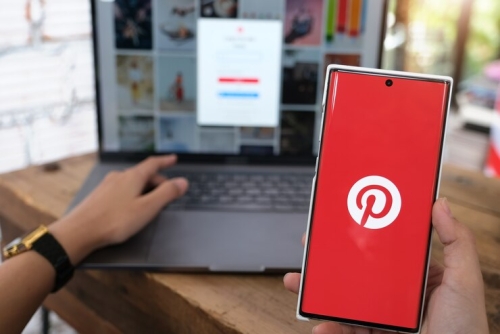
In the digital landscape, platforms like Facebook, Instagram, and Twitter dominate the conversation around social media. However, Pinterest operates differently, leading many to question: Is Pinterest social media platform? While it shares some characteristics with traditional social networks, Pinterest functions more as a visual discovery engine than a conventional social site. Understanding its unique power can help businesses, content creators, and marketers leverage its full potential.
What Defines a Social Media Platform?Before diving into Pinterest’s classification, let’s first define what makes a platform “social media.” Typical social media networks have the following characteristics:
User-Generated Content: Users create and share their own posts, images, or videos.
Social Interaction: Platforms encourage engagement through likes, comments, and shares.
Community Building: Users follow each other, join groups, and interact in real-time.
Algorithm-Driven Feeds: Content is curated based on user activity and interests.
While Pinterest includes some of these elements, it operates differently from traditional social media platforms.
How Pinterest Differs from Traditional Social MediaPinterest stands out because of its search-oriented nature. Unlike social platforms that focus on conversations, Pinterest functions more like a visual search engine, helping users discover ideas and inspiration. Here’s how it differs:
1. Search-Driven, Not Conversation-DrivenOn Pinterest, users don’t engage in back-and-forth discussions like on Twitter or Facebook. Instead, they search for ideas, pin images to their boards, and use the platform as a source of inspiration rather than a space for social networking.
2. Evergreen Content vs. Newsfeed ContentSocial media platforms like Instagram and TikTok focus on real-time engagement, with posts quickly becoming irrelevant. Pinterest, however, thrives on evergreen content—pins remain searchable and valuable for months or even years.
3. Personalized Discovery Over Social InteractionWhile you can follow users and comment on pins, Pinterest prioritizes personalized recommendations over social engagement. The algorithm curates content based on searches and pin activity rather than focusing on trending conversations.
4. User Intent: Inspiration Over EngagementMost people visit Pinterest to find inspiration, whether for home decor, recipes, travel, or fashion. In contrast, users on social media platforms primarily seek interaction with friends, influencers, or brands.
Why Pinterest Still Shares Some Social Media TraitsAlthough Pinterest is not a traditional social media platform, it still incorporates social elements, making it a hybrid between social networking and a search engine. Here’s why:
Users can follow profiles and boards to see content from specific creators.
Engagement features like likes, comments, and shares allow some level of interaction.
Idea Pins (formerly Story Pins) function similarly to Instagram Stories, encouraging more immersive content.
Influencers and brands use Pinterest to market products, just like they do on social media.
Because of these features, Pinterest is sometimes grouped under the social media umbrella, though its primary function remains content discovery rather than social networking.
The Power of Pinterest as a Marketing ToolRegardless of how it’s classified, Pinterest is an invaluable tool for businesses, bloggers, and content creators. With over 450 million monthly active users, it provides a unique opportunity to reach a highly engaged audience. Here’s why Pinterest is a powerful marketing tool:
1. Pinterest Drives Website TrafficUnlike many social media platforms where organic reach is declining, Pinterest remains one of the best platforms for driving traffic. Each pin includes a direct link to a website, making it easier to convert viewers into customers or readers.
2. Users Have High Purchase IntentUnlike Instagram or Facebook, where users scroll passively, Pinterest users actively search for products and ideas. Studies show that 83% of weekly Pinterest users make a purchase based on pins they’ve seen. This makes it an excellent platform for e-commerce and brand marketing.
3. Long-Term Content VisibilityOn social media, posts have a short lifespan—tweets disappear within minutes, and Instagram posts lose traction within days. Pinterest pins, however, remain searchable for months or even years, making them a great investment for content marketing.
4. Pinterest SEO Increases DiscoverabilityBecause Pinterest functions like a search engine, optimizing your content with relevant keywords (like “Pinterest social media”) can significantly improve visibility. Strategic keyword placement in pin descriptions, titles, and boards ensures that your content reaches the right audience.
How to Leverage Pinterest for Business GrowthTo maximize Pinterest’s potential, businesses and content creators should use Pinterest-specific strategies rather than treating it like a traditional social media platform.
1. Create High-Quality, Vertical PinsPinterest favors vertical images (1000x1500 pixels). High-resolution, visually appealing pins with clear text overlays perform best.
2. Optimize Pins with KeywordsTo improve searchability, include targeted keywords in:
Pin titles and descriptions
Board names and descriptions
Hashtags and alt text
For example, using “Pinterest social media strategies” in a pin description can help it rank higher in search results.
3. Use Idea Pins for EngagementIdea Pins (multi-slide, interactive pins) boost engagement and encourage users to spend more time with your content. Since Pinterest prioritizes Idea Pins, using them regularly can increase your reach.
4. Pin ConsistentlyUnlike platforms where frequent posting can feel overwhelming, Pinterest rewards consistent pinning. Using scheduling tools like Tailwind can help maintain a steady flow of fresh content.
5. Leverage Pinterest AnalyticsPinterest Analytics provides insights into pin performance, audience demographics, and trending content. Regularly monitoring these metrics helps refine your strategy and improve engagement.
Conclusion: Is Pinterest a Social Media Platform?While Pinterest shares some characteristics with social media, it operates more like a visual search engine. Unlike traditional social networks that focus on social interaction, Pinterest is designed for content discovery and inspiration.
For businesses, content creators, and marketers, this means that Pinterest is a powerful tool for traffic generation, brand visibility, and sales conversion. By using Pinterest strategically—optimizing pins, leveraging keywords, and staying consistent—you can tap into its vast audience and long-term growth potential.
So, is Pinterest a social media platform? Not exactly—but its unique hybrid nature makes it one of the most valuable platforms for content marketing and brand exposure today