


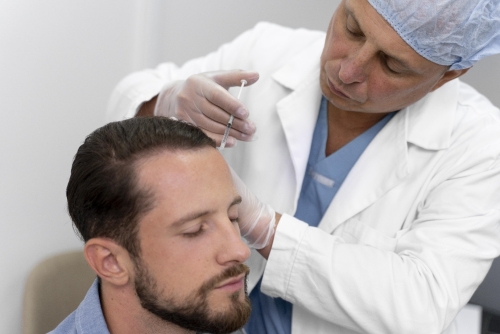
Migraines impact millions of people each year, making everyday life a challenge. For those with frequent headaches, even simple tasks can feel impossible. One of the best treatments for chronic migraines is Botox.
Administered by a neurologist or headache specialist, it can help reduce the number and severity of migraine attacks. Knowing what to expect after your first session can help you feel more confident and prepared.
How Botox Targets Migraine Pain
Botox works differently from most medications. Instead of treating a migraine once it starts, it helps prevent them. The injections relax muscles around the head and neck. This reduces signals that trigger pain. Relief doesn’t happen instantly. It builds gradually as the Botox works on the nerves that cause headaches.
The First Few Hours After Treatment
Immediately after the injections, most people notice only small pinches. Mild redness, slight swelling, or tenderness may appear at the injection sites. Some patients feel a minor headache or muscle soreness. These effects are temporary and usually fade within a few hours to a day.
Weeks 1 to 3: Gradual Improvement
The effects of Botox for migraines typically become noticeable after two to three weeks. Many patients experience fewer headache days. Migraines may feel less intense when they occur. Some people notice slow, steady improvement, while others see more sudden relief.
Keeping a headache diary, as recommended by your neurologist and headache specialist, helps track your progress and plan future sessions.
What You Can Expect in the Long Term
While Botox is not a permanent cure, many patients see a noticeable improvement over time. Headaches may still occur occasionally, but they tend to be less frequent and less intense.
With regular treatments every 12 weeks, migraines can become much more manageable. Combining Botox with healthy habits—like consistent sleep, staying hydrated, stress management, and gentle exercise—can enhance results.
Over time, patients often experience greater control over their migraines and enjoy a better quality of life.
Keeping Track of Your Progress
After your first Botox treatment, most patients schedule follow-up sessions every 12 weeks. During these visits, your headache specialist will review your progress and see how well the treatment is working. Adjustments to injection sites or doses may be made to achieve the best results.
Regular follow-ups not only keep the treatment effective but also allow your specialist to fine-tune care for your needs. Consistent maintenance can help you enjoy fewer headaches and make Botox one of the best treatment for chronic migraines.
Safety and What to Watch For
Botox is generally very safe when administered by a trained neurologist or headache specialist. Most side effects are mild and go away on their own within a few days.
Some patients may rarely experience temporary drooping eyelids, neck weakness, or flu-like symptoms. If you notice anything unusual, contact your specialist promptly.
With proper technique, careful planning, and follow-up care, Botox remains a low-risk and effective option for reducing the frequency and severity of chronic migraines. It helps patients feel more in control of their headaches.
Tips for Getting the Most Out of Your Treatment
● Avoid rubbing or massaging the injection areas for 24 hours.
● Skip intense physical activity for the first day.
● Keep a headache diary to monitor changes in frequency and severity.
● Follow all instructions given by your headache specialist.
These small steps can help ensure you get the best results and a safer experience.
Bottom Line: Relief Is Possible
After your first Botox treatment, mild discomfort may occur. Most patients notice improvement within a few weeks. Over time, repeated treatments and healthy habits can make migraines easier to manage. When administered by a neurologist and headache specialist, Botox remains one of the best treatments for chronic migraines, offering many people relief and a better quality of life.






 ✅Pour l'amour d'un garçon