

A home lift can change how you live. It makes moving between floors easier and helps if you have mobility problems. Before you install a lift in your home, you should know what is involved. This guide will help you understand the basics.
Different Types of Lifts
Several types of lifts work in homes. Hydraulic lifts use fluid to move up and down. They last a long time but need regular checks. Traction lifts use cables. They move smoothly but setup is complicated.
Vacuum lifts for homes are becoming more common. They work by changing air pressure. An air powered lift does not use cables or fluid. This makes them simpler to look after. They also install faster than other types.
Space You Will Need
Your home needs enough room for a lift. Most lifts take up about one square metre. The height between your floors matters too. You need at least 2.4 metres in most cases.
Your floors must be strong enough to hold the weight. An engineer can check if your house is suitable. New home lifts come with information about space requirements. This helps you see if they will fit.
Rules You Must Follow
In the UK, you have to follow Building Regulations. Building Control needs to approve your lift. They want to see paperwork about structure and safety.
Your installer should help with this. Choose someone who knows the UK rules. This makes everything easier.
How Long Installation Takes
The time needed depends on which lift you choose. Traditional lifts can take weeks to install. They need a lot of building work.
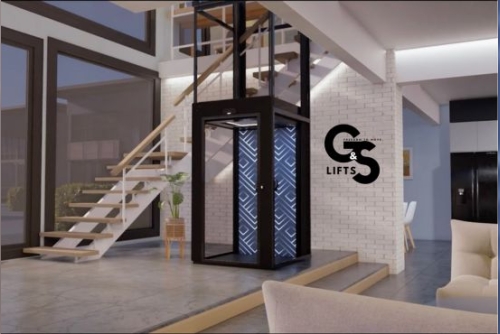
At G&S Lifts, we use pneumatic vacuum lifts. These install much quicker. Most take just a few days. They do not need a machine room or a big hole in the floor. When you install a lift in your home, you want minimal fuss. These lifts cause less disruption.
Looking After Your Lift
Different lifts need different amounts of care. Pneumatic lifts need about four times less servicing than older types. This saves money over time.
Hydraulic lifts need the fluid checked regularly. Traction lifts need the cables inspected. A service contract costs between £200 and £600 per year. The price depends on what type you have.
Running costs differ too. Pneumatic lifts only use power when going up. This keeps electricity bills lower.
Safety Matters
Modern lifts have good safety features. They work during power cuts with backup systems. They have alarms if you need help. The doors have sensors so they will not close on you.
There are weight limits to stop overloading. Check your lift meets British Standards. The code BS 5900:2012 is important.
What It Will Cost
Prices vary quite a bit. Basic lifts start at around £8,000. Pneumatic vacuum lifts cost between £15,000 and £30,000. Traditional hydraulic lifts are £15,000 to £35,000 or more.
You may need other work done too. This could be electrical changes or structural work. Remember the yearly service costs. At G&S Lifts, we tell you all costs upfront. There are no surprises.
Adding Value to Your Home
A lift can make your house worth more. Many buyers look for homes they can use as they age. Having a lift installed is attractive.
Think about what you might need in future. You might need space for a wheelchair. You might want to add another floor. Planning ahead helps you pick the right lift.
Choosing Who to Use
Pick a company with experience. They should look at your home properly and give honest advice. Read what other customers say.
Good companies explain all costs clearly. They give you a warranty and help after installation. Companies based in the UK can get to you quickly if needed.
Making Your Choice
When you install a lift in your home, take your time deciding. Go and see lifts working if you can. Get prices from different companies. Compare what each offers.
Ask questions about installation, maintenance, and support. The right lift should do what you need and fit your budget. It should work well for years.
Get in touch with G&S Lifts for a free talk about what you need. We supply pneumatic vacuum home lifts that are easy to install and maintain. Our lifts have 360° panoramic views and work well in UK homes. We will help you find what suits your home.