

Efficient warehouse operations are the backbone of any successful business that deals with inventory and distribution. Managing large volumes of products manually can lead to errors, delays, and increased operational costs. This is where a warehouse management system (WMS) becomes indispensable. By leveraging technology, businesses can optimize their warehouse operations, reduce errors, and enhance overall productivity.
What is Warehouse Management Software?A warehouse management software is a digital tool that powers a warehouse management system. It enables businesses to track inventory, manage stock locations, oversee warehouse staff, and automate workflows. Unlike traditional manual tracking, modern WMS solutions provide real-time visibility, ensuring accurate stock levels and timely fulfillment of orders.
Warehouse management software often integrates with inventory management software and procurement software, creating a unified ecosystem that simplifies supply chain operations.
Key Features of a Warehouse Management SystemImplementing a WMS offers a wide range of features that help streamline warehouse operations:
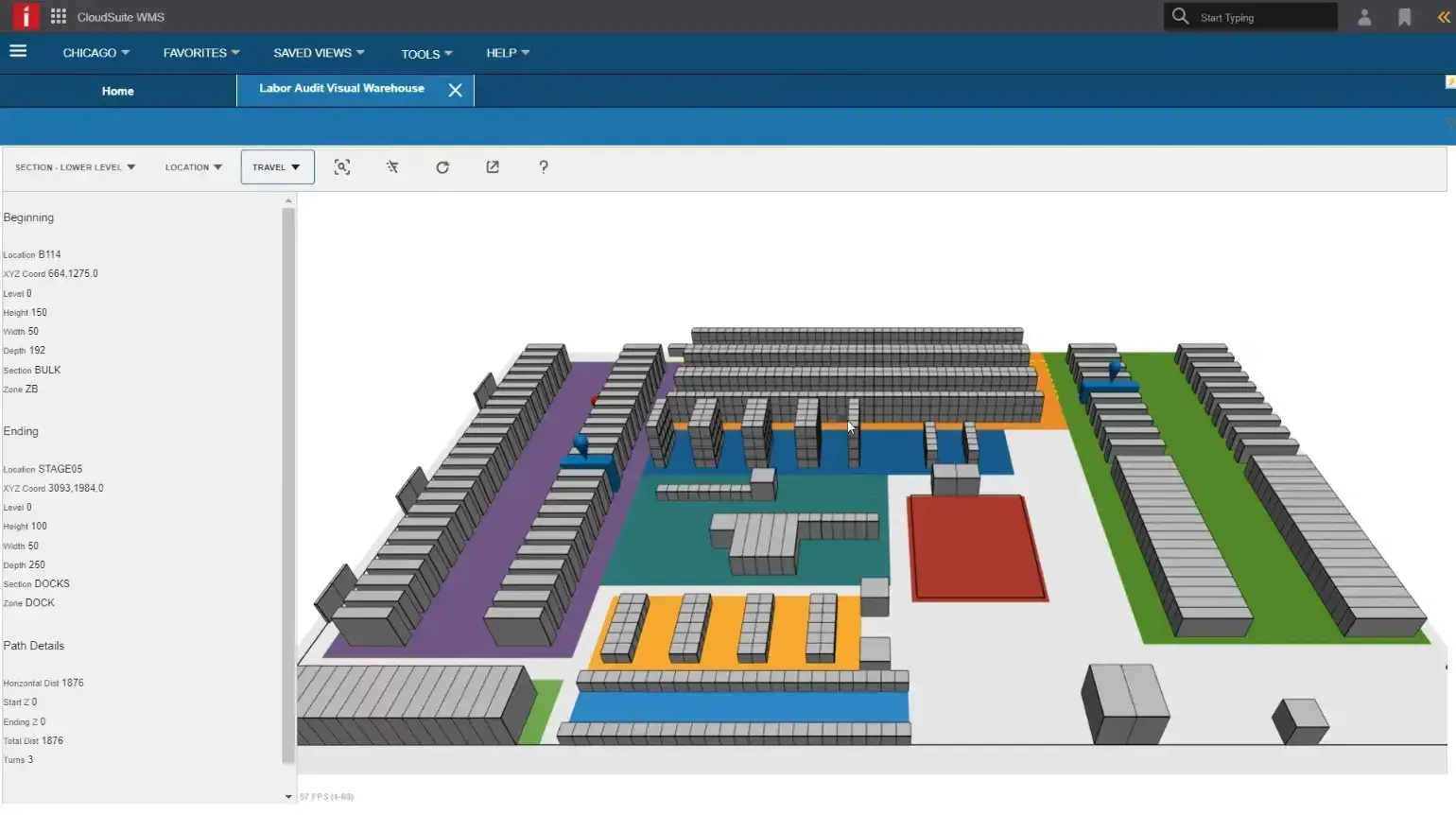
Inventory VisibilityA core feature of any warehouse management system is inventory visibility. Businesses can monitor stock levels in real-time, track products across multiple locations, and reduce discrepancies. Accurate inventory tracking helps prevent stockouts and overstocking, which can save costs and improve service quality.
Order FulfillmentA WMS simplifies order management by automating picking, packing, and shipping processes. This minimizes errors, speeds up delivery, and ensures customers receive their orders on time.
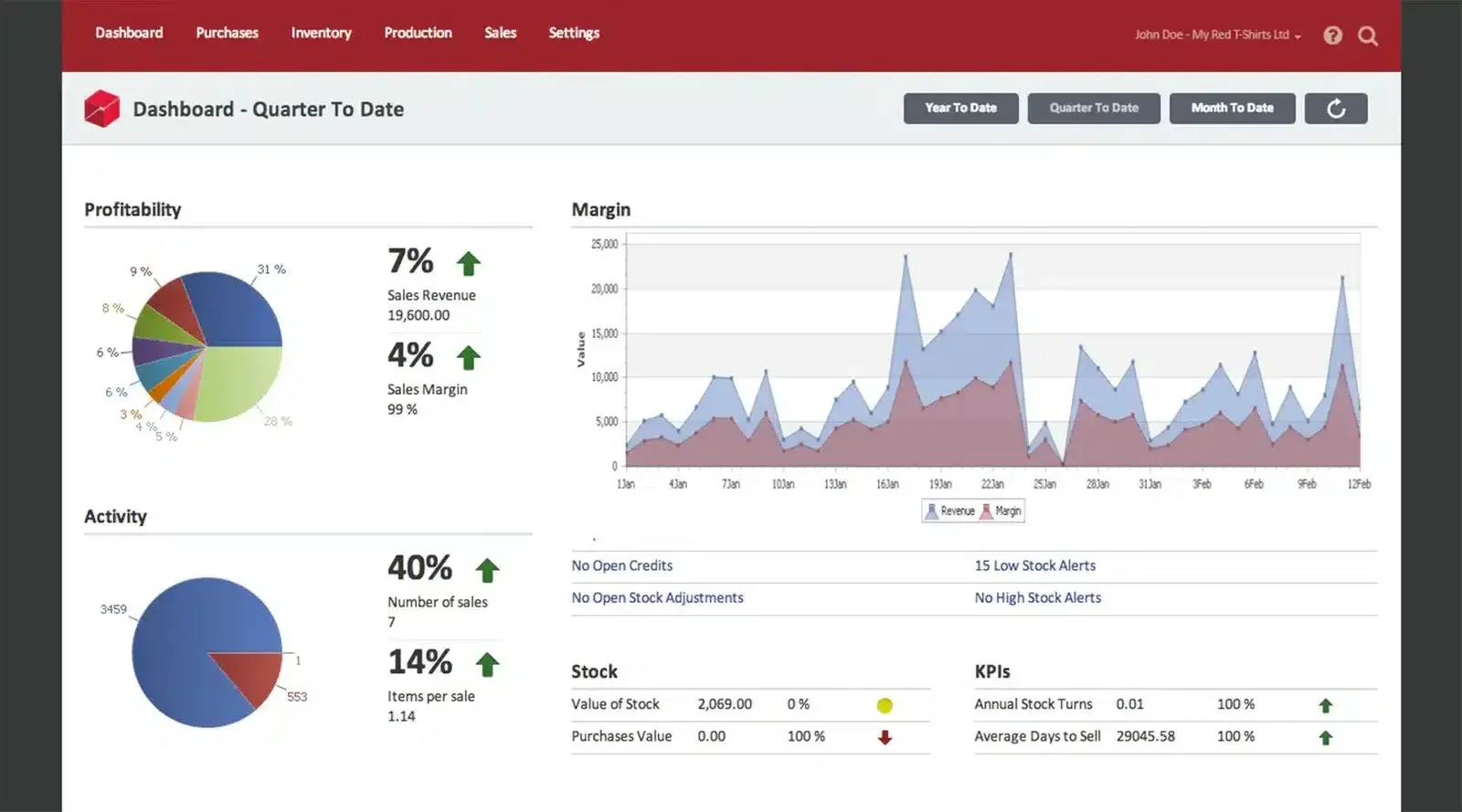
Analytics and ReportingWarehouse management software provides detailed reporting on inventory trends, warehouse performance, and order accuracy. These insights help managers make informed decisions, optimize warehouse layouts, and forecast demand more accurately.
Integration with Other SystemsModern WMS solutions integrate seamlessly with inventory management systems, procurement software, and ERP platforms. This integration allows for smooth communication between departments, ensures data consistency, and enhances overall operational efficiency.
Benefits of Using a Warehouse Management SystemA warehouse management system provides several advantages to businesses:
Operational Efficiency: Automation reduces manual labor and increases productivity.
Cost Control: Improved inventory management and reduced errors lead to cost savings.
Accurate Inventory: Precise stock tracking ensures the right products are available when needed.
Customer Satisfaction: Timely and accurate deliveries enhance customer experience.
Scalable Operations: A WMS grows with your business and adapts to increasing demands.
Inventory Management Software: Managing Stock EfficientlyInventory management software is a critical complement to a warehouse management system. It allows businesses to monitor stock across multiple warehouses, forecast demand, and maintain optimal inventory levels.
Benefits of inventory management software include:
Reduced inventory holding costs
Prevention of stockouts or overstocking
Real-time insights into inventory movements
Streamlined supply chain operations
Combining a WMS with inventory management software ensures end-to-end visibility and control over the supply chain, from procurement to delivery.
Selecting the Best Inventory Management SoftwareChoosing the best inventory management software requires careful consideration of your business needs:
Scalability: The software should handle growing inventory and warehouse locations.
Integration: Must work seamlessly with WMS, ERP, and procurement systems.
Ease of Use: A simple interface ensures staff adoption and efficiency.
Real-Time Monitoring: Provides accurate insights for quick decision-making.
Analytics and Reporting: Offers detailed reports to optimize inventory performance.
Advanced inventory management software often includes features like automated replenishment, AI-driven demand forecasting, and cloud accessibility, making inventory control more efficient than ever.
Importance of Procurement SoftwareProcurement software helps businesses manage the purchasing process efficiently. It tracks supplier orders, automates approval workflows, and ensures timely procurement of goods. When integrated with a warehouse management system and inventory management software, procurement software creates a seamless supply chain, improving visibility and operational control.
Key advantages of procurement software include:
Streamlined purchasing workflows
Reduced manual errors in order processing
Better supplier relationship management
Improved cost control and budget tracking
How WMS and Inventory Management Work TogetherIntegrating a warehouse management system with inventory management software delivers comprehensive benefits:
Real-time inventory tracking across multiple warehouses
Automated stock replenishment based on demand
Minimized errors in picking, packing, and shipping
Better reporting and operational insights
Improved coordination between procurement, warehouse, and sales teams
This integration allows businesses to operate efficiently and respond quickly to market demands.
Cloud-Based Solutions for WarehousingMany businesses now adopt cloud-based warehouse management systems for flexibility and ease of use. Cloud WMS solutions provide:
Remote Access: Manage warehouses from anywhere
Scalability: Adapt to business growth and changing demands
Cost Efficiency: Reduce IT infrastructure costs
Automatic Updates: Benefit from new features without manual installation
Cloud-based WMS often integrates with mobile devices, enabling warehouse staff to scan barcodes, update stock levels, and manage orders on the go.
Applications Across IndustriesWarehouse management systems and inventory management software are vital across various sectors:
E-commerce: Efficiently handle large volumes of orders and returns
Retail: Maintain inventory accuracy across multiple store locations
Manufacturing: Track raw materials and finished products
Healthcare: Ensure accurate stock of medical supplies and pharmaceuticals
Food & Beverage: Monitor perishable goods and manage expiration dates
Each industry benefits from the features tailored to its operational requirements, ensuring smooth and precise warehouse management.
Future Trends in Warehouse ManagementThe warehouse industry is rapidly evolving with technological advancements:
Artificial Intelligence: Predict demand and optimize warehouse layout
Robotics: Automated picking and handling reduce labor costs
IoT Integration: Real-time monitoring of inventory and equipment
Blockchain: Secure and transparent tracking of goods
Sustainability: Eco-friendly practices and energy-efficient storage
By embracing these trends, businesses can maintain a competitive edge while improving efficiency and sustainability.
ConclusionA warehouse management system, paired with inventory management software and procurement software, is essential for modern supply chain management. These systems improve accuracy, streamline operations, reduce costs, and enhance customer satisfaction.
Investing in the best inventory management software and a robust WMS allows businesses to manage complex warehouse operations, scale efficiently, and ensure smooth supply chain performance. From e-commerce to manufacturing and retail, these tools are vital for operational success.
By integrating warehouse management systems, inventory management systems, and procurement software, businesses can achieve seamless, efficient, and profitable operations, from procurement to delivery.





 Best SEO Agency in Faridabad|Fixdot Technologies