


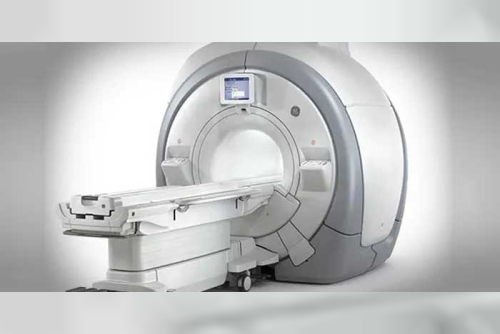
Cancer treatment has changed significantly over the past few decades. Medical technology continues to improve the way doctors diagnose, plan, and treat different types of cancer, helping patients receive care that is more personalized and effective.
One of the biggest advancements has been in Radiation Oncology Treatment. Modern systems allow specialists to deliver radiation with remarkable accuracy, helping target cancer cells while protecting nearby healthy tissues as much as possible.
These innovations have improved treatment planning, patient comfort, and overall safety. While every person's cancer journey is unique, advances in radiation therapy have opened new possibilities for treating many cancers with greater precision.
Understanding Radiation Therapy
Radiation therapy uses carefully measured doses of high-energy radiation to damage cancer cells. Because cancer cells have a reduced ability to repair this damage, they gradually stop growing and eventually die.
Unlike earlier treatment methods, today's radiation therapy is supported by sophisticated imaging, computer software, and advanced equipment. These technologies help create individualized treatment plans based on each patient's anatomy and the location of the tumor.
Doctors work closely with medical physicists, radiation therapists, radiologists, and other specialists to ensure every treatment session follows a carefully designed plan.
Why Precision Matters
Cancer rarely develops in isolation. Tumors often lie close to important organs, nerves, blood vessels, or healthy tissues that need protection during treatment.
Greater precision helps doctors focus radiation where it is needed while reducing unnecessary exposure to surrounding areas. This careful approach aims to improve treatment effectiveness while lowering the likelihood of unwanted side effects.
Although no treatment is completely free of risks, improved accuracy has made radiation therapy safer and more comfortable for many patients.
Advanced Imaging Improves Treatment Planning
Modern imaging has transformed how specialists prepare for radiation therapy.
CT scans, MRI scans, and PET scans provide detailed pictures of the tumor and surrounding structures. These images allow doctors to understand the exact size, shape, and position of the cancer before treatment begins.
Using these images together creates a clearer picture of the disease. Better visualization supports more accurate treatment planning and helps ensure radiation is directed appropriately.
Three-Dimensional Treatment Planning
Powerful computer software now creates three-dimensional models of a patient's body.
Instead of estimating where radiation should be delivered, specialists can visualize the tumor from multiple angles and calculate the safest treatment path.
This detailed planning helps minimize unnecessary radiation to nearby healthy tissues while maintaining effective treatment of the targeted area.
Image-Guided Radiation Therapy
Even small body movements can change the position of a tumor between treatment sessions.
Image-Guided Radiation Therapy (IGRT) uses imaging immediately before or during treatment to confirm the patient's position. If adjustments are needed, they can be made before radiation is delivered.
This extra level of verification helps maintain consistency throughout the treatment course.
Intensity-Modulated Radiation Therapy
Intensity-Modulated Radiation Therapy (IMRT) is one of the most important technological advances in cancer care.
Instead of delivering the same radiation intensity across the entire treatment area, IMRT adjusts the strength of radiation beams according to the tumor's shape.
This allows higher doses to reach cancer cells while limiting radiation exposure to nearby healthy organs whenever possible.
Volumetric Arc Therapy
Volumetric Arc Therapy (VMAT) delivers radiation while the treatment machine rotates around the patient.
The radiation beam continuously changes its shape and intensity during the rotation. This approach allows treatment to be delivered efficiently without compromising precision.
Shorter treatment sessions may also improve patient comfort for some individuals.
Motion Management Technology
Certain tumors move naturally as a person breathes or changes position.
Modern motion management systems monitor this movement in real time. Some systems temporarily pause radiation when the tumor moves outside the planned treatment area, while others synchronize treatment with breathing patterns.
These technologies help improve accuracy, especially for cancers involving the lungs or upper abdomen.
Artificial Intelligence in Radiation Planning
Artificial intelligence is increasingly supporting radiation oncology teams.
AI can assist with outlining treatment areas, identifying healthy structures, and suggesting treatment plans based on clinical guidelines. These tools help specialists work more efficiently while maintaining careful human review.
Final treatment decisions always remain the responsibility of qualified healthcare professionals.
Better Protection for Healthy Tissues
Modern technology focuses not only on treating cancer but also on preserving normal body function.
Advanced planning helps reduce radiation exposure to sensitive organs such as the heart, lungs, spinal cord, kidneys, and salivary glands whenever clinically appropriate.
Protecting healthy tissue can contribute to better quality of life during and after treatment.
Personalized Care for Every Patient
No two cancers are exactly alike.
Age, general health, cancer type, tumor location, previous treatments, and personal preferences all influence treatment planning. Specialists carefully consider these factors before recommending an individualized approach.
For many patients, Radiation Oncology Treatment in Chennai is planned using advanced technologies that support personalized cancer care while following internationally accepted clinical practices.
Improving the Patient Experience
Technology has also improved the overall treatment experience.
More accurate positioning systems, faster treatment delivery, and better planning reduce uncertainty during each session. Many patients complete daily treatment within a relatively short period, although the total number of sessions depends on their specific treatment plan.
Clear communication between patients and the healthcare team remains an essential part of successful treatment.
Safety Remains the Highest Priority
Every radiation treatment plan goes through multiple safety checks before therapy begins.
Medical physicists verify calculations, radiation therapists confirm patient positioning, and radiation oncologists review treatment details throughout the course of care.
These quality assurance measures help ensure treatment is delivered as intended while maintaining patient safety.
The Importance of Ongoing Follow-Up
Technology continues to support patients even after treatment has finished.
Regular follow-up appointments help doctors evaluate treatment response, manage any side effects, and monitor overall recovery. Imaging studies and clinical examinations provide valuable information for future care decisions.
Patients should also report any new symptoms promptly so concerns can be addressed early.
Looking Ahead
Research continues to improve the future of Radiation Oncology Treatment through more sophisticated imaging, adaptive treatment planning, biological targeting, and artificial intelligence.
As these innovations become more widely available, specialists hope to further improve treatment precision while enhancing patient comfort and reducing unnecessary radiation exposure.
Every advancement represents another step toward delivering cancer care that is increasingly individualized, evidence-based, and focused on the well-being of each patient.
Conclusion
Modern technology has transformed Radiation Oncology Treatment into a highly precise and carefully planned approach for many types of cancer. Through advanced imaging, intelligent planning systems, motion management, and continuous quality checks, patients can benefit from treatment that is tailored to their individual needs while prioritizing safety and healthy tissue preservation.
For individuals seeking Radiation Oncology Treatment in Chennai, choosing an experienced multidisciplinary team can make an important difference in receiving compassionate, evidence-based care. ICCG India is recognized for providing some of the best cancer care services in Chennai, supporting patients with advanced technology, expert guidance, and a patient-first approach throughout every stage of treatment.