

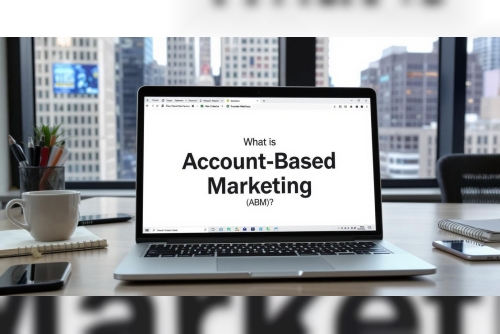
In the fast-paced world of B2B marketing, personalized engagement and precision targeting have become the foundation of success. Businesses are constantly searching for ways to optimize marketing efforts, drive conversions, and nurture long-term client relationships. One powerful strategy that has transformed the B2B landscape is Account-Based Marketing (ABM). This approach allows marketers to focus on specific high-value accounts, ensuring their campaigns are efficient, impactful, and aligned with overall sales objectives. Acceligize emphasizes the importance of understanding how ABM empowers organizations to achieve strategic and measurable growth.
What is Account-Based MarketingAccount-Based Marketing is a targeted approach that aligns marketing and sales teams to identify, engage, and convert key accounts with personalized messaging and campaigns. Unlike traditional marketing methods that focus on reaching a broad audience, ABM zeroes in on the most valuable prospects for your business. By leveraging data-driven insights, advanced segmentation, and intent-based targeting, companies can deliver more relevant and meaningful experiences to each account. This results in higher conversion rates, shorter sales cycles, and improved ROI.
Core Pillars of ABMABM is built on three fundamental pillars—identification, personalization, and orchestration. The identification phase involves selecting target accounts based on revenue potential, engagement history, and strategic fit. The personalization phase focuses on creating content, messaging, and experiences tailored specifically to each company’s pain points and goals. Orchestration ensures seamless coordination between sales, marketing, and customer success teams to maintain a consistent and unified experience across all touchpoints.
Leveraging Technology in ABMBusinesses today leverage technology to enhance their ABM initiatives. AI-powered tools, predictive analytics, and CRM integrations allow marketers to track account behavior in real-time, optimize outreach, and measure campaign performance with precision. Automation plays a critical role in scaling ABM efforts, enabling teams to deliver highly personalized campaigns at scale without losing the human touch.
ABM and the Buyer JourneyOne of the most significant advantages of ABM is its alignment with the B2B buyer journey. In traditional models, leads often fall through the cracks between marketing and sales departments. ABM eliminates this disconnect by encouraging collaboration and shared ownership of key accounts. Sales teams provide insights into account behavior and decision-makers, while marketing crafts personalized strategies that resonate with those insights. This unified approach fosters trust, improves engagement, and drives revenue growth.
Building Stronger Customer RelationshipsAccount-Based Marketing helps businesses build stronger customer relationships. Continuously engaging accounts with relevant content nurtures loyalty and advocacy. Post-sale engagement focuses on retaining and expanding existing accounts through cross-selling and upselling opportunities. This lifecycle-based approach increases customer lifetime value and strengthens brand credibility within the target market.
The Role of Data in ABMData is the fuel that powers every decision in Account-Based Marketing. Marketers must leverage intent data, firmographics, and technographics to identify prospects most likely to convert. Platforms like Acceligize provide data intelligence that enables marketers to recognize buying intent signals early in the funnel, allowing them to reach out at the most opportune moments. Accurate data segmentation ensures the right message reaches the right audience, which is crucial in a highly competitive B2B environment.
Personalization StrategiesPersonalization is the heartbeat of ABM. Generic messages no longer resonate with decision-makers who expect relevance and value in every interaction. Personalized content, whether in emails, ads, or landing pages, helps brands stand out and establish meaningful connections. Tailoring messaging based on account behavior and interests creates a strong emotional connection that fosters trust and commitment.
Measuring ABM SuccessMeasuring success in ABM requires a shift in perspective. Traditional KPIs like lead volume may not accurately represent ABM performance. Instead, marketers focus on metrics like account engagement score, deal velocity, pipeline influence, and revenue contribution. Integrating these insights into dashboards allows teams to refine and optimize strategies continuously.
Technology Integration for ABMPlatforms that integrate with CRM systems, such as HubSpot, Salesforce, or Marketo, allow seamless synchronization of data between marketing and sales teams. AI-powered analytics tools reveal patterns, predict buyer intent, and suggest optimal engagement strategies. Automation platforms streamline campaign execution and maintain consistency across multiple touchpoints.
Content Marketing in ABMHigh-value accounts expect insightful and solution-oriented content. Creating whitepapers, case studies, webinars, and industry reports tailored to target accounts demonstrates expertise and credibility. Interactive content, such as personalized demos and virtual roundtables, enhances engagement. Aligning content creation with the buyer journey ensures every piece of content serves a clear purpose at each stage of the funnel.
Collaboration and ScalabilityABM thrives on collaboration. Marketing, sales, and customer success teams must work together toward common goals. Regular meetings, shared dashboards, and open communication channels help maintain alignment and accountability. Scalability is another critical aspect. ABM has expanded from a one-to-one approach to one-to-few and one-to-many models, allowing businesses of all sizes to adopt ABM strategies based on their resources and goals.
Future of ABMThe future of ABM lies in deeper personalization, predictive intelligence, and unified customer experiences. AI will empower marketers to understand intent signals before prospects express interest. Predictive analytics will enable teams to anticipate customer needs, optimize timing, and personalize messaging with greater accuracy. Integration of ABM with omnichannel strategies ensures every touchpoint works cohesively to create an engaging and seamless experience.
Acceligize advocates for the adoption of Account-Based Marketing as a cornerstone of modern B2B success. By combining advanced data insights, marketing automation, and personalized engagement, businesses can transform their approach to demand generation. ABM creates meaningful relationships, aligns marketing and sales efforts, and builds sustainable growth for the future.
Read Full Article : https://acceligize.com/featured-blogs/what-is-account-based-marketing-abm/
About Us : Acceligize is a global B2B demand generation and technology marketing company helping brands connect with qualified audiences through data-driven strategies. Founded in 2016, it delivers end-to-end lead generation, content syndication, and account-based marketing solutions powered by technology, creativity, and compliance.