

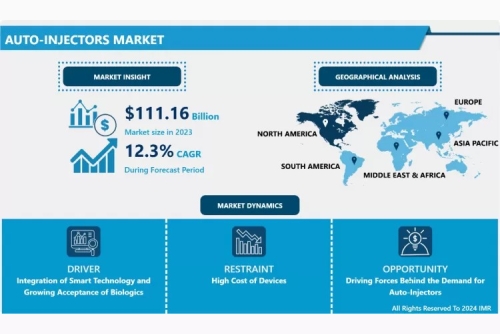
Introspective Market Research (IMR) today released its Epinephrine Auto-Injector Market Report, forecasting robust expansion in this critical life-saving device segment. According to IMR’s analysis, the global epinephrine auto-injector market — valued at USD 2.20 billion in 2023 — is expected to nearly double to USD 4.62 billion by 2032, growing at a compound annual growth rate (CAGR) of approximately 8.6% over the forecast period.
This growth is being fueled by a rising global prevalence of severe allergic reactions (anaphylaxis), growing awareness and training around auto-injector use, the entry of generic alternatives, and expanding access through homecare and school-based programs.
Quick Insights (IMR Analysis)
2023 Market Size: USD 2.20 billion 2032 Forecast: USD 4.62 billion CAGR (2024–2032): ~ 8.6% Primary Dosage Strengths: 0.15 mg (pediatric), 0.30 mg (adult) Key End Users: Hospitals, Clinics, Homecare Settings Leading Region: North America, due to high allergy prevalence and strong healthcare infrastructure Major Players: Mylan (Viatris), Teva, Sanofi, Pfizer, Becton Dickinson, Kalao, Amneal, ALK-Abelló, Antares Pharma
What Opportunities & Trends Are Emerging?
Could generics democratize access to life-saving auto-injectors?
Yes — as patents on branded epinephrine auto-injectors expire, multiple players
are launching lower-cost alternatives, expanding access in cost-sensitive
markets.
Is patient education finally catching up with the
device’s importance?
Absolutely. Training initiatives in schools, community programs, and advocacy
organizations are helping users and caregivers understand when and how to use
auto-injectors, potentially reducing misuse and misuse-related risk.
Will device innovation further improve safety and
connectivity?
Potentially. Future designs may feature bluetooth-enabled devices that alert
caregivers or clinicians upon use, dose metering, and feedback mechanisms to
ensure correct administration in emergencies.
Expert Commentary
“Epinephrine auto-injectors remain our first line of defense
against anaphylaxis, but the market is truly evolving,” said Dr. Ayesha Khan,
Principal Consultant at Introspective Market Research.
“The convergence of generic alternatives, enhanced user training, and smart
device innovation will not only boost adoption, but also improve outcomes and
accessibility. Stakeholders who align around these drivers will shape the next
wave of growth.”
Regional & Segment Analysis
North America: The largest market driven by high allergy incidence, strong regulatory frameworks, and widespread adoption of epinephrine devices in schools and emergency-care settings. Europe: Growing use of auto-injectors is supported by improved reimbursement, patient awareness campaigns, and generic competition. Asia-Pacific: Emerging opportunity, with rising prevalence of allergic diseases and increasing penetration of homecare and emergency medicine infrastructure.In terms of dosage, the 0.15 mg strength is dominant in the pediatric population, while 0.30 mg remains preferred for adults. By end-user, hospitals and clinical settings are the largest purchasers, but homecare adoption is expanding rapidly as patients and caregivers become more confident in self-administration.
Breakthroughs & Innovations from Key Players
Mylan / Viatris: Scaling up production of generic epinephrine auto-injectors to drive affordability. Teva: Developing cost-effective, user-friendly device variants to compete in both developing and mature markets. Sanofi / Pfizer: Exploring connected auto-injector platforms with usage monitoring and reminders. BD / Antares / Amneal: Investing in auto-injector design improvements for enhanced safety, ergonomics, and manufacturing efficiency.
Challenges & Cost Pressures
High Cost of Branded Devices: Even with generic entry, some users may still face affordability barriers. Training Gaps: Incorrect or delayed administration remains a risk where education is lacking. Supply Constraints: Ensuring continuous, reliable supply is critical — shortages or recalls can carry severe risk. Regulatory & Liability Risks: Manufacturers must navigate complex device regulations and maintain high safety standards.
Case Study (Illustrative)
A school district in the U.S. implemented a comprehensive anaphylaxis preparedness program involving auto-injector training for staff and students. After a 12-month rollout:
Reported use of auto-injectors rose by 25%, reflecting improved readiness Emergency response times dropped by nearly 40% due to swift on-site self- or peer-administration No severe adverse outcomes in documented cases, supporting the importance of both access and training Cost savings estimated due to fewer hospital transports and reduced need for ambulance callsThis real-world example illustrates how expanded education, regulation, and device access can combine to improve patient safety and reduce systemic costs.
Why This Report Matters
IMR’s Epinephrine Auto-Injector Market Report is a critical resource for:
Pharmaceutical and device manufacturers strategizing generics or smart-device launches Hospital groups, schools, and public health authorities planning anaphylaxis protocols Investors evaluating growth opportunities in emergency medicine and self-injection Patient advocacy organizations focused on allergy care and education Healthcare policymakers targeting equitable access to life-saving therapiesThe report includes:
✔
Comprehensive forecasts by dosage, end-user, and geography
✔
Competitive landscape and company profiling
✔
Innovation roadmap for connected auto-injector platforms
✔
Strategic guidance on access, training, and commercialization
Call to Action
Download a free sample of the Epinephrine Auto-Injector Market Report or book a briefing with one of IMR’s Principal Consultants to explore:
Customized market forecasts by region and segment Innovation pathways for smart and connected auto-injectors Access & reimbursement strategies for generics Public-health program design and partnership models???? Request Your Sample / Schedule Your Consultation
About Introspective Market Research
Introspective Market Research (IMR) is a global strategic intelligence firm specializing in high-growth healthcare markets — including medical devices, rare disease, and digital therapeutics. Our team of analysts, domain experts, and data scientists delivers rigorous forecasts, practical insights, and forward-looking strategies to help stakeholders navigate complex, evolving ecosystems.
Contact:
Introspective Market Research
????
+1-773-382-1047
????
[email protected]
????
www.introspectivemarketresearch.com