


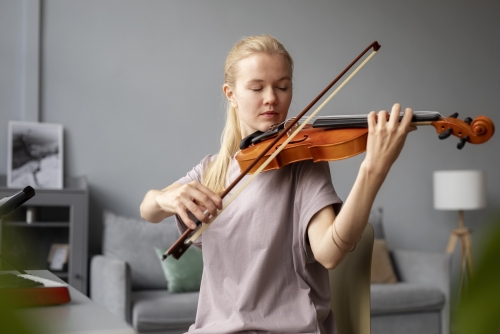
Learning to play the violin sparks joy and curiosity in many beginners. The sound feels rich and full of emotion. But the early stage often feels slow. Strings squeal, fingers slip, and bows jump. These struggles frustrate students. With the right habits, learners move forward with confidence.
Violin lessons for beginners work better when students follow a clear path. With the right rhythm, students gain control, make music faster, and enjoy each session more.
This article shares five strong tips to help new players improve quickly, build healthy routines, and enjoy every step of their violin journey.
Tip 1: Shape a Strong Posture and GripPosture shapes how well students move and play. The way someone holds the violin and bow changes sound, ease, and control. Bad form blocks progress and tires the body.
Start by:
Aligning the back straight
Dropping the shoulders gently
Nestling the chin on the rest
Guiding the elbow under the violin
Flexing the wrist when holding the bow
Players must balance the violin level to the ground. Good form allows smooth movement and keeps the body relaxed.
Early lessons focus on steady arms and loose fingers. That builds the groundwork for strong playing. Teachers always check the form in violin lessons and correct it before bad habits form.
Tip 2: Slow Down and Play With FocusMany beginners rush to finish songs. Quick notes feel exciting. But fast playing without control weakens skills. Students who slow down learn faster and play cleaner.
Slow practice allows students to:
Spot small mistakes
Fix finger slides
Steady bow strokes
Shape notes with care
Create a small goal before each session. Work on smooth bowing or clear tone. Repeat one phrase until it sounds right. This method helps fingers and ears grow strong together. Ten careful notes grow more skill than fifty rushed ones.
Tip 3: Keep the Violin Tuned and Tools ReadyAn out-of-tune violin leads to confusion. Beginners often blame their fingers when the strings ring wrong. Tuning makes sound clear and builds trust in progress.
Always check tuning before each session. Use a clip-on tuner or app. Twist each peg slowly and listen to the sound shift.
Other tools to prepare include:
Shoulder rest for support
Rosin to help the bow grip the string
Cloth to wipe off dust
A lamp to light up the music
The right setup shapes comfort and sound. A clean, tuned violin boosts energy to practise and explore. Starting each session with tuning teaches care and awareness from the start.
Tip 4: Practise Each Day With a Simple RoutineShort, steady practice wins over long, random sessions. Playing every day trains fingers and mind to work together. Each small step gathers into strong progress.
Pick a time and stick to it. Morning or evening both work. But choose one and follow it daily. Routines make the body ready to move.
Try a 30-minute practice like this:
5 minutes: tune and warm up
10 minutes: scales and bow control
10 minutes: new song or exercise
5 minutes: review or play a fun tune
Stick to the plan, but adjust when needed. Stay patient and give breaks to rest the body and mind. Little by little, progress builds.
Tip 5: Watch and Listen to Improve FasterMusic grows in the ear before it reaches the hand. Beginners who listen more improve faster. Hearing clear notes helps students copy sounds with their fingers and bow.
Listen to:
Good recordings of beginner songs
Simple violin solos with a strong tone
Slow backing tracks that guide rhythm
Watching helps too. Notice how skilled players move. Study their hands, arms, and bow path. This builds muscle memory through the eyes. Listening while walking or riding helps learning continue outside of practice.
Many teachers include listening as part of violin lessons for beginners, and that helps the brain stay linked to music daily.
Common Habits That Slow Down GrowthBad habits often slip in early and block steady growth. Students should spot and fix them quickly. The table below compares common mistakes and the better action to take:
Common Problems and Smarter HabitsProblem
Better Habit
Playing too fast
Slowing down and playing with focus
Skipping warm-up
Starting with steady bow strokes
Holding the bow too tightly
Relaxing grip and wrist
Avoiding scales
Playing one scale daily
Not listening to music
Listening to good recordings often
This table reminds students what to avoid and where to improve.
Mindset Shapes Speed and JoyStudents who expect quick results often feel upset. They want songs to sound perfect right away. That leads to stress and less practice.
Strong players build a patient mindset. They:
Celebrate each small win
Enjoy slow, steady improvement
Stay open to learning something new
Stay calm when mistakes happen
Teachers play a key role in building this mindset. They praise effort, not just results. Parents can support this by noticing daily effort and cheering small gains. Mindset shapes practice. A calm mind builds better music.
Ask for Help When You Get StuckNew players sometimes try to fix everything alone. But waiting too long to ask for help makes small problems bigger.
Ask for help when:
Notes sound strange often
Bow shakes or bounces too much
Fingers feel lost on the string
Reading the music feels hard
Teachers enjoy helping. A quick question can fix hours of confusion. Asking shows strength, not weakness. Talking with teachers also builds trust and a clear understanding of each piece.
Milestones Keep Players MotivatedProgress often hides in small steps. Big jumps come later. That’s why students should mark small goals and enjoy each one.
Set milestones like:
Playing one clean scale
Holding bthe ow steady for one full song
Practising for five days in a row
Memorising a short piece
Write these wins on a practice board or notebook. These marks keep students moving forward with pride. When a student sees progress, they practise more and enjoy playing longer.
Pick the Right Support MaterialsHelpful tools outside lessons support growth. Books, videos, and audio tracks guide learning between sessions.
Useful materials include:
Beginner books with clear steps
Flashcards for reading notes
Fun music games or apps
Practice charts to track progress
Pick tools that match the player’s level. Too hard or too easy makes learning dull. These extras turn free time into practice time and make learning feel fun, not heavy.
Strong Starts Lead to Big GrowthFirst lessons shape how far the student goes. The way a player sits, holds the bow, and hears notes matters from day one. When students build strong habits early, they move faster and play better.
Great playing grows from:
Solid form
Daily habits
Careful listening
Clear goals
Open minds
These pieces work like puzzle parts. When they fit together, the music flows smoothly. Strong starts build steady skills.
ConclusionPlaying the violin brings challenge and joy. Beginners often feel stuck at first. But with the right habits, they build skills faster and enjoy music more.
Each student who follows these tips — proper form, slow practice, daily routine, active listening, and open learning — moves ahead with confidence.
Violin lessons for beginners offer more than notes and songs. They build focus, patience, and love for music.
If you listen well, practise daily, and stay curious, your violin will sing — and your skills will grow louder with each session.
Tags:- Violin lessons for beginners, Violin lessons