


Introduction
Hairpin Type Heat Exchanger technology has become an important part of modern petrochemical processing, where efficient heat recovery directly influences operational performance, energy consumption, and sustainability. As manufacturers continue to seek smarter ways to reduce waste and improve productivity, selecting the right heat transfer equipment has never been more important.
Petrochemical facilities operate under demanding conditions involving high temperatures, elevated pressures, and corrosive process fluids. Recovering valuable thermal energy that would otherwise be lost helps plants reduce fuel usage, lower operating costs, and improve environmental performance. A Hairpin Type Heat Exchanger provides an effective solution by delivering reliable heat transfer while occupying relatively little installation space.
With industries increasingly focused on operational resilience and carbon reduction, heat recovery systems are no longer viewed as optional upgrades. They have become strategic investments that support long term efficiency and sustainable industrial growth.
Why Heat Recovery Matters in Petrochemical Plants
Petrochemical production requires significant amounts of thermal energy across various stages of manufacturing. Every degree of heat that can be recovered and reused contributes to improved plant efficiency and reduced energy demand.
Instead of allowing process heat to escape through exhaust streams or cooling systems, heat recovery equipment captures this energy and transfers it to another part of the production cycle. This approach lowers fuel consumption, reduces greenhouse gas emissions, and improves overall process economics.
A well designed Hairpin Type Heat Exchanger helps maximise thermal recovery while maintaining reliable performance under challenging operating conditions.
Understanding the Hairpin Type Heat Exchanger
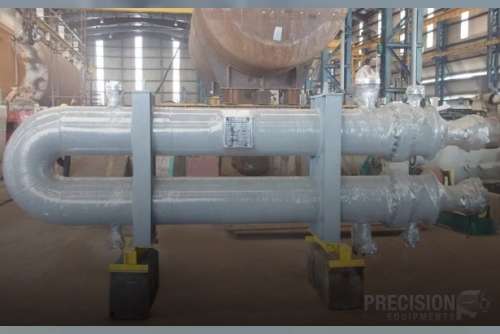
A Hairpin Type Heat Exchanger is designed using concentric tubes bent into a distinctive U shaped configuration. This simple yet highly effective arrangement allows one process fluid to flow through the inner tube while another flows through the outer annulus.
The design supports true counter flow heat transfer, enabling greater temperature efficiency than many conventional arrangements. Because of its compact construction and mechanical strength, it performs exceptionally well in high pressure and high temperature applications commonly found in petrochemical facilities.
Its modular construction also makes future capacity expansion and maintenance considerably easier.
Key Benefits for Petrochemical Applications
Petrochemical environments place demanding requirements on heat transfer equipment. A Hairpin Type Heat Exchanger offers several practical advantages that help operators achieve reliable long term performance.
Excellent Thermal Efficiency
Counter flow operation allows maximum temperature difference between process streams. This improves heat transfer efficiency and enables greater energy recovery throughout production.
High Pressure Capability
Many petrochemical processes operate under elevated pressures. Hairpin designs provide excellent mechanical strength, making them suitable for demanding operating conditions.
Compact Installation
Space is often limited within existing processing units. Hairpin exchangers deliver substantial heat transfer capacity while requiring a relatively small installation footprint.
Easy Maintenance
Individual sections can often be serviced or replaced without extensive plant modifications. This helps minimise maintenance time and reduces operational disruption.
Flexible Design
Hairpin exchangers can be customised to meet varying flow rates, temperatures, pressure ratings, and material requirements across different petrochemical applications.
Applications Across Petrochemical Plants
The versatility of the Hairpin Type Heat Exchanger makes it suitable for numerous process areas where efficient thermal management is essential.
Some common applications include:
Feed preheating to reduce energy demand before processing.
Product cooling after chemical reactions to improve product quality.
Waste heat recovery from hot process streams.
Solvent heating for downstream operations.
Condensation duties within specialised production units.
Utility systems requiring reliable thermal exchange.
Heat recovery from reactor outlet streams to improve overall plant efficiency.
Each application contributes to lower operating costs while improving process stability and energy utilisation.
Factors to Consider When Selecting a Hairpin Type Heat Exchanger
Choosing the correct equipment requires careful engineering evaluation rather than focusing solely on initial purchase cost.
Important considerations include:
Process temperatures and operating pressures.
Fluid characteristics and fouling tendencies.
Material compatibility with corrosive chemicals.
Required heat transfer performance.
Pressure drop limitations.
Future maintenance accessibility.
Plant expansion requirements.
Selecting the appropriate design helps maximise equipment life while reducing unexpected maintenance expenses.
Supporting Sustainable Petrochemical Manufacturing
Sustainability has become a central objective across the global petrochemical industry. Improving heat recovery is one of the most effective ways to reduce environmental impact without compromising production capacity.
By recovering thermal energy that would otherwise be wasted, facilities can significantly decrease fuel consumption and associated emissions. This contributes towards lower carbon footprints while supporting corporate sustainability goals.
A Hairpin Type Heat Exchanger plays an important role in these initiatives by delivering consistent thermal performance across demanding operating conditions. Improved energy efficiency also helps organisations remain competitive as environmental regulations continue to evolve.
Operational Best Practices
Maintaining peak performance requires more than selecting quality equipment. Ongoing monitoring and preventive maintenance are equally important.
Recommended practices include:
Monitor inlet and outlet temperatures regularly.
Inspect for fouling before efficiency begins to decline.
Verify pressure drop during scheduled inspections.
Use suitable materials for corrosive process fluids.
Follow preventive maintenance schedules.
Replace worn components before failure occurs.
Review operating data to identify efficiency improvements.
These simple measures help extend equipment life while maintaining reliable heat recovery performance throughout the plant.
The Future of Heat Recovery Technology
Petrochemical facilities continue to embrace digital technologies that improve operational visibility and maintenance planning. Advanced monitoring systems now allow engineers to evaluate exchanger performance in real time.
Predictive maintenance, digital twins, and intelligent process monitoring are helping identify efficiency losses before they become major operational issues. Combined with modern exchanger designs, these technologies enable higher reliability and improved asset management.
As industrial decarbonisation accelerates, demand for efficient heat recovery solutions will continue to grow. The Hairpin Type Heat Exchanger is expected to remain a valuable asset for facilities seeking better energy performance and long term operational resilience.
Conclusion
Efficient heat recovery is one of the simplest ways for petrochemical plants to improve productivity, reduce operating costs, and support sustainable manufacturing. A well engineered Hairpin Type Heat Exchanger delivers reliable thermal performance, mechanical strength, and operational flexibility across a wide range of demanding process applications.
As industries continue investing in energy efficiency and process optimisation, selecting dependable heat transfer equipment becomes increasingly important. Companies with decades of engineering experience contribute significantly to these goals. Precision Equipments has been a leading manufacturer and supplier of Shell and Tube Heat Exchangers and process equipment since 1981, serving key sectors such as Oil & Gas, Petrochemicals, Fertilizers, Power Plants, LNG and Nuclear Energy. This long standing expertise reflects the industry's ongoing commitment to quality, innovation, and reliable thermal solutions.
Frequently Asked Questions(FAQs)
What is a Hairpin Type Heat Exchanger?
A Hairpin Type Heat Exchanger is a compact heat transfer device featuring concentric tubes arranged in a U shaped configuration. It is widely used in high pressure and high temperature industrial processes.
Why are Hairpin Type Heat Exchangers used in petrochemical plants?
They provide efficient heat recovery, withstand demanding operating conditions, require relatively little installation space, and offer excellent mechanical reliability.
What industries commonly use Hairpin Type Heat Exchangers?
They are widely used across Oil and Gas, Petrochemicals, Fertilizers, Chemical Processing, LNG facilities, FSRUs, FPSOs, Renewable Energy projects, and Data Centre Cooling systems.
How does heat recovery improve plant efficiency?
Recovering waste heat reduces fuel consumption, lowers operating costs, improves energy efficiency, and decreases greenhouse gas emissions.
What should be considered when selecting a Hairpin Type Heat Exchanger?
Key factors include operating pressure, temperature, material compatibility, fluid characteristics, maintenance requirements, thermal performance, and future expansion needs.