


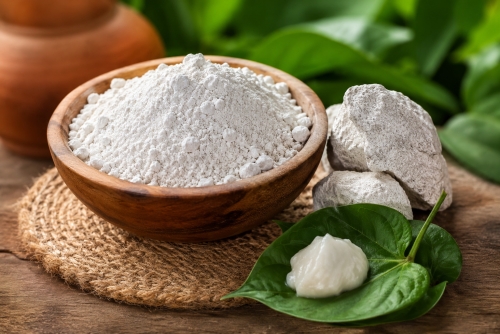
Chuna Benefits have been valued in traditional Indian culture for centuries. Chuna, commonly known as edible lime, is a food-grade form of calcium hydroxide that has been used in Ayurveda and traditional dietary practices. It is mainly recognized for its calcium content, which is essential for healthy bones, teeth, muscles, and nerves.
Although Chuna has been part of several traditional remedies, modern health experts recommend consuming it only in its edible form and in very small quantities under professional supervision. Excessive intake or the use of non-food-grade lime can lead to serious health problems.
This article explores the traditional uses of Chuna, its potential health benefits, nutritional value, precautions, and its place in Ayurvedic wellness.
What Is Chuna?
Chuna refers to food-grade edible lime, which is prepared from calcium hydroxide. It is important to understand that edible Chuna is completely different from industrial or construction lime. Only food-grade Chuna is suitable for traditional dietary use.
For generations, edible Chuna has been used:
With betel leaves (paan)
In selected Ayurvedic formulations
As a traditional source of calcium
In certain cultural practices
Its popularity is mainly due to its rich calcium content.
Nutritional Composition of Chuna
Chuna is not considered a complete food because it does not provide proteins, carbohydrates, vitamins, or healthy fats. Instead, it is valued primarily for its mineral content.
Its major component is:
Calcium hydroxide
It may also contain:
Calcium
Trace minerals depending on the manufacturing process
Since calcium is one of the most important minerals required by the human body, Chuna has traditionally been used to supplement calcium intake.
Chuna Benefits for Bone Strength
Among the many Chuna Benefits, supporting healthy bones is the most commonly discussed.
Calcium is essential for:
Building strong bones
Maintaining bone density
Supporting skeletal development
Reducing the risk of calcium deficiency
Traditional Indian households often considered edible Chuna an economical source of calcium. However, today, healthcare professionals generally recommend standardized calcium supplements or calcium-rich foods for better safety and dosage control.
Supports Healthy Teeth
Healthy teeth depend on adequate calcium intake.
Traditional practices suggest that Chuna may contribute to:
Strong enamel
Healthy tooth structure
Better mineralization
Improved dental strength
While calcium plays a vital role in oral health, brushing, flossing, regular dental check-ups, and a balanced diet remain the foundation of healthy teeth.
Helps Maintain Muscle Function
Calcium is necessary for proper muscle contraction and relaxation.
Adequate calcium supports:
Smooth muscle movement
Better coordination
Physical performance
Healthy muscle function
Traditional use of edible Chuna has often been associated with maintaining these functions because of its calcium content.
Supports Normal Nerve Function
The nervous system relies on calcium to transmit signals throughout the body.
Proper calcium intake contributes to:
Efficient communication between nerves
Brain function
Muscle coordination
Normal cellular activity
This is another reason why Chuna has traditionally been regarded as an important mineral source.
Traditional Ayurvedic Importance
Ayurveda has long emphasized the careful use of purified mineral preparations.
According to Ayurvedic principles, Chuna has traditionally been used to support:
Asthi Dhatu (bone tissue)
Dental health
Mineral balance
Certain herbal formulations
Only qualified Ayurvedic practitioners should recommend mineral-based preparations, as purification and dosage are essential.
Chuna Benefits During Growth
Children and adolescents require adequate calcium to support healthy growth and development.
Traditional communities sometimes included edible Chuna in dietary practices under expert supervision. However, modern nutrition guidelines recommend obtaining calcium from dairy products, leafy vegetables, fortified foods, and physician-recommended supplements instead.
Supports Healthy Aging
Bone density naturally decreases with age, making calcium intake increasingly important.
Traditional Chuna Benefits for older adults include support for:
Bone strength
Healthy joints
Skeletal stability
Better mobility
Older adults should always seek medical advice before consuming Chuna, particularly if they have kidney-related health conditions.
Cultural Significance
Apart from wellness practices, Chuna also holds cultural importance across India.
It has traditionally been used:
In paan preparation
During religious ceremonies
In folk traditions
In classical Ayurvedic preparations
Its continued cultural relevance explains why many people remain interested in its traditional uses today.
Traditional Methods of Use
Edible Chuna has traditionally been consumed only in extremely small quantities.
Common methods include:
Mixed with betel leaves
Combined with herbal preparations
Included in selected traditional remedies
Used according to Ayurvedic guidance
Self-medication should always be avoided.
Safety Precautions
Although Chuna has traditional uses, responsible consumption is essential.
Follow these precautions:
Use only certified food-grade edible Chuna.
Never consume industrial or construction lime.
Avoid excessive intake.
Do not use continuously without professional guidance.
Store away from children.
Consult a healthcare professional before use if you have existing medical conditions.
Possible Side Effects
Improper use of Chuna may result in:
Mouth irritation
Burning sensation
Digestive discomfort
Stomach irritation
Constipation
Excess calcium levels
Injury caused by consuming non-edible lime
These risks highlight the importance of using only food-grade products.
Who Should Avoid Chuna?
Certain individuals should avoid Chuna unless specifically advised by a healthcare provider.
These include:
Pregnant women
Breastfeeding mothers
Young children
Individuals with kidney disease
People with kidney stones
Those with elevated calcium levels
Individuals taking calcium supplements or certain medications
Professional supervision is recommended in all these situations.
Healthy Dietary Sources of Calcium
Most people can obtain enough calcium from a nutritious diet.
Excellent calcium-rich foods include:
Milk
Yogurt
Cheese
Ragi
Sesame seeds
Almonds
Tofu
Spinach
Kale
Fortified cereals
Fortified plant-based beverages
These foods provide additional nutrients that contribute to overall health.
Scientific Perspective
Scientific research strongly supports the importance of calcium for healthy bones, muscles, nerves, and teeth.
However, scientific evidence supporting many traditional medicinal claims regarding edible Chuna remains limited. More clinical studies are needed before its traditional uses can be confirmed through modern research.
For individuals diagnosed with calcium deficiency, healthcare professionals generally recommend dietary improvements or medically approved calcium supplements.
Tips for Responsible Consumption
If edible Chuna is used traditionally, the following practices should be followed:
Verify that it is food-grade.
Use only the quantity recommended by a qualified expert.
Never replace prescribed calcium supplements without medical advice.
Stop use if irritation develops.
Keep it safely stored to avoid accidental consumption.
Responsible use helps minimize potential health risks.
Conclusion
The growing interest in Chuna Benefits reflects its long history in Indian traditions and Ayurvedic wellness. Its primary value lies in its calcium content, which plays an essential role in maintaining healthy bones, strong teeth, proper muscle function, and efficient nerve signaling. While traditional practices continue to recognize its importance, Chuna should always be consumed with caution and only in its edible form.
For most people, obtaining calcium through a balanced diet and medically approved supplements remains the safest and most effective option. If you wish to explore traditional wellness practices or learn more about Ayurveda, this Ayurveda Solutions provides valuable educational resources to help you make informed health decisions.