

Apartment living is an art form that balances function, comfort, and personal expression. The way a space is designed often dictates not just what goes where, but how the space feels and how residents interact with it. In many cases, the layout and design elements of an apartment subtly guide daily routines, social interactions, and even personal productivity. Understanding these influences can help anyone maximize their living experience, whether in a cozy studio or a spacious two-bedroom. Apartment design is not just about aesthetics; it’s about shaping habits, moods, and the way life unfolds in each corner of your home.
Living Room: The Heart of Social InteractionThe living room is traditionally the central hub of an apartment, and its design profoundly affects social dynamics. Open floor plans tend to encourage gathering and movement, making it easier to host friends or spend time as a family. Conversely, a living room with segmented spaces can create a sense of intimacy and privacy, ideal for focused activities such as reading or quiet conversation. Furniture placement, lighting, and décor all play roles in how this room is used. A large sofa facing a television may signal a space dedicated to entertainment, while chairs arranged in a circle can promote conversation. Even subtle elements, like the flow of natural light or the placement of rugs, impact how residents interact with the space and with each other.
Kitchen and Dining Areas: Function Meets GatheringKitchens in modern apartments are no longer merely spaces for cooking; they often double as dining areas and social hubs. A well-designed kitchen can make meal preparation feel more intuitive and less cumbersome. Counter height, island placement, and storage accessibility dictate how smoothly cooking routines operate. Apartments with open kitchens connected to dining areas or living rooms naturally encourage communal activity. In contrast, kitchens that are closed off may promote solitary cooking and more structured meal times. Dining spaces are similarly influenced by layout. Large tables encourage shared meals and conversation, while smaller setups may cater to casual, everyday dining. The proximity of the kitchen to living areas also affects how often residents entertain guests or engage in spontaneous gatherings.
Bedrooms: Balancing Rest and ProductivityBedrooms are often considered personal retreats, and their design can greatly influence rest, relaxation, and productivity. The size of the room, placement of the bed, and availability of storage all impact how residents utilize the space. Minimalist designs can foster a calming atmosphere, making it easier to relax and sleep, while more elaborate layouts may double as home offices or study areas. Natural light and window placement influence mood and energy levels, and the orientation of furniture can affect both relaxation and focus. A bedroom with a small desk tucked into a corner might invite occasional work or creative projects, while a larger space may allow for multiple functions without feeling cluttered. Ultimately, the design of a bedroom sets the tone for daily routines, from morning rituals to bedtime habits.
Bathrooms: Efficiency and ComfortBathroom design is often overlooked in discussions about apartment living, yet it plays a crucial role in daily life. The layout of fixtures, storage solutions, and lighting all affect how efficiently a resident can move through their routine. A compact bathroom requires careful consideration of what items are essential, while a spacious layout can accommodate multiple functions, such as combining a vanity with a laundry area. Mirror placement, lighting, and storage options influence how comfortable and functional the space feels. Even small design choices, like the type of shower or sink, can change the overall experience, impacting how often the space is used for grooming, self-care, or relaxation.
Multifunctional Spaces: Adapting to Lifestyle NeedsOne of the defining features of modern apartments is the emphasis on multifunctional spaces. Rooms are increasingly designed to serve multiple purposes, allowing residents to adapt their environment according to evolving needs. A home office can double as a guest bedroom, a dining area can transform into a study space, and living rooms may accommodate both entertainment and fitness routines. Flexibility in design encourages creativity and efficiency, making it easier to make the most of limited square footage. Thoughtful use of partitions, movable furniture, and storage solutions can enhance the adaptability of each room. Residents who recognize and leverage these design opportunities often find that their apartment better supports their lifestyle, rather than constraining it.
Storage and Organization: Impact on UsageStorage is one of the unsung heroes of apartment design, yet it has a direct impact on how residents interact with each room. Ample storage solutions allow for organized spaces, reducing clutter and making rooms feel more inviting. Poorly planned storage can lead to overcrowded surfaces and underused areas, limiting a room’s functionality. For example, a living room with hidden storage under a sofa can keep personal items out of sight while maintaining a clean and open feel. Similarly, a bedroom with built-in closets and shelves can free up floor space for additional activities. In apartments with limited square footage, strategic storage design is crucial for ensuring that each room remains practical and comfortable, supporting the way residents live day-to-day.
Lighting and Ambiance: Guiding Behavior and MoodLighting is one of the most powerful design elements in shaping how spaces are used. Natural light can make a room feel larger, more inviting, and more energizing, while artificial lighting allows for mood control and task-specific illumination. In living rooms, soft, ambient lighting can create a cozy environment for relaxation, whereas bright task lighting in kitchens or offices encourages focus and productivity. Accent lighting highlights certain features or areas, subtly guiding movement and activity within the room. Even the color temperature of light bulbs can influence how a space is perceived and utilized. A well-lit apartment feels more welcoming and functional, directly affecting how residents choose to spend their time in each room.
Designing with Flow in MindThe flow between rooms is another critical factor in apartment design. How spaces connect can influence daily routines, social interaction, and the overall efficiency of living. Open layouts create a sense of continuity and openness, making it easier to move between areas and encouraging shared activities. Hallways and transitional spaces, if designed thoughtfully, can serve as storage, display areas, or mini-workspaces. In contrast, segmented layouts provide distinct zones for different activities, offering privacy and minimizing distractions. Understanding the intended flow of an apartment helps residents optimize each room’s usage, balancing personal space with communal areas.
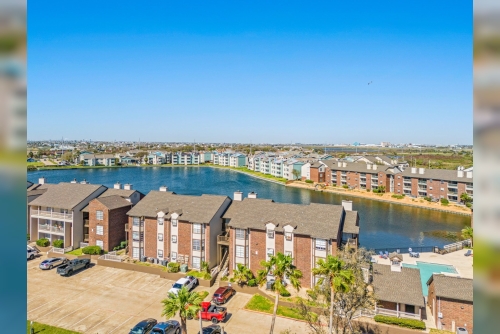
Choosing the Right Apartment: A Practical ExampleWhen searching for an apartment for rent in Beaumont TX, it’s important to consider how the design will influence your daily life. Every layout, from studio apartments to multi-bedroom units, shapes routines, interactions, and comfort levels. Prospective renters should pay attention to how rooms are oriented, the availability of natural light, storage solutions, and the potential for multifunctional use. By understanding the design elements that align with your lifestyle, you can select an apartment that not only meets practical needs but also enhances overall well-being. The right design can transform everyday living, making a space feel personalized, functional, and enjoyable.
Conclusion: Design Shapes LifestyleApartment design goes far beyond decorating preferences or choosing stylish furniture. Every aspect of a unit from room layout and lighting to storage and multifunctional spaces has a profound effect on how it is used. Living areas influence social interaction, kitchens shape daily routines, bedrooms balance rest and productivity, and thoughtful storage and lighting enhance comfort and efficiency. Even transitional spaces and flow between rooms can redefine how residents experience their home. By understanding these principles, individuals can make informed decisions when choosing an apartment and strategically arrange their living spaces to maximize utility and enjoyment. Thoughtful apartment design not only reflects personal taste but also actively shapes lifestyle, turning every room into a purposeful, enjoyable part of home life.