


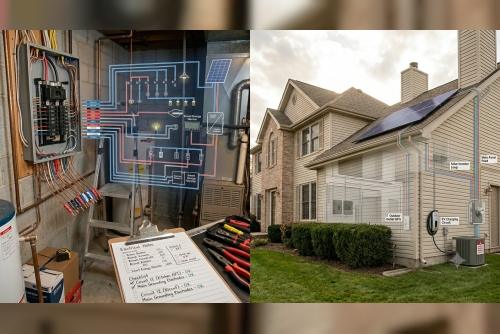
When buying a home in Dallas, TX, understanding what can go wrong with the electrical system is just as important as understanding the plumbing system. Many buyers are surprised to learn how many electrical issues show up during a residential home inspection. Some of these issues are minor, while others are serious safety hazards that must be addressed before a lender will approve financing. Knowing what to expect helps buyers stay prepared and make smarter decisions.
Why Do Electrical Issues Matter Alongside the Plumbing System in Dallas, TX?
A home inspection in Dallas, TX covers every major system in the property, including both the electrical system and the plumbing system. These two systems are often connected in terms of safety and function. For example, water leaks from the plumbing system can damage electrical wiring and cause short circuits or fires. Inspectors look at both systems carefully because problems in one area can directly affect the other.
Here is why both systems are evaluated together during a home inspection:
Plumbing system leaks near electrical panels or outlets create serious shock and fire hazards
Water heater connections involve both the plumbing system and electrical or gas systems
Bathroom and kitchen areas require GFCI electrical protection precisely because water and electricity are in close proximity
Older Dallas, TX homes with aging plumbing systems often have equally outdated electrical systems that need attention
Moisture from plumbing system failures can corrode electrical wiring inside walls over time
Understanding how these systems interact helps buyers see the full picture of a home's condition.
What Electrical Issues Are Most Likely to Come Up During a Home Inspection?
Certain electrical problems appear repeatedly during home inspections across Dallas, TX. These are the issues that inspectors flag most often and that buyers need to take seriously.
The most common electrical issues found during a home inspection include:
Outdated or undersized electrical panels that cannot handle the power demands of a modern home
Federal Pacific and Zinsco panels that have known safety defects and are prone to failure
Double-tapped breakers where two separate wires share a single breaker slot not designed for it
Aluminum branch circuit wiring found in many Dallas, TX homes built in the 1960s and 1970s
Missing or non-functional GFCI outlets in kitchens, bathrooms, garages, and outdoor areas
Ungrounded two-prong outlets in older homes that do not meet current safety standards
Open or uncovered junction boxes with exposed wiring in attics, basements, or utility rooms
Reversed polarity in outlets where the hot and neutral wires are connected incorrectly
Improper DIY wiring done without permits during past renovations
Missing breakers or open slots in the electrical panel that leave the panel exposed
Any of these issues found during a home inspection in Dallas, TX will be documented in the report and may affect the buyer's decision to proceed.
Which Electrical Issues Are Considered the Most Serious?
Not all electrical findings are equal. Some are simple fixes that cost very little, while others represent significant safety risks that require immediate professional attention.
The most serious electrical issues that can affect a home inspection include:
Recalled or Defective Electrical Panels
Federal Pacific Stab-Lok panels and Zinsco panels are two of the most commonly flagged concerns in Dallas, TX home inspections. These panels were installed in thousands of homes across the country and have been found to fail during overloads, increasing the risk of electrical fires. Replacement is strongly recommended.
Aluminum Wiring
Homes in Dallas, TX built during the 1960s and 1970s may have aluminum wiring in branch circuits. Aluminum expands and contracts more than copper, which can cause connections to loosen over time and create fire hazards. A licensed electrician must evaluate and address aluminum wiring properly.
No GFCI Protection Near Water Sources
Ground fault circuit interrupter outlets are required by modern building codes in areas where water is present, including kitchens, bathrooms, garages, and outdoor spaces. The absence of GFCI protection in these areas is both a code issue and a genuine safety concern, especially in homes where the plumbing system puts water near electrical outlets.
Exposed or Improperly Spliced Wiring
Any wiring that is not properly enclosed in conduit or junction boxes creates a fire and shock hazard. This is commonly found in attics or garages in older Dallas, TX homes where previous owners did their own electrical work.
Overloaded Circuits
When too many high-draw appliances share a single circuit, it can cause the circuit to overheat. This is especially common in older Dallas, TX homes where the electrical system was not designed to handle modern appliances like large HVAC units, dishwashers, and electric dryers.
How Does the Plumbing System Connect to Electrical Safety in Dallas, TX Homes?
The plumbing system and electrical system in a Dallas, TX home share more of a relationship than most homeowners realize. Water and electricity are a dangerous combination, and problems in the plumbing system can quickly create electrical hazards.
Here is how plumbing system issues can lead to electrical problems:
A slow plumbing system leak inside a wall can drip onto electrical wiring, causing corrosion and short circuits
Water heater failures involving the plumbing system can cause flooding near electrical panels
Roof leaks that enter through the attic can damage both insulation and electrical wiring simultaneously
Moisture from plumbing system condensation in poorly ventilated areas can accumulate around outlet boxes
Slab leaks from the plumbing system beneath the foundation can eventually cause moisture to wick up into walls where wiring is present
This is why a complete home inspection in Dallas, TX always evaluates both the plumbing system and the electrical system together rather than in isolation.
What Happens When Electrical Issues Are Found During a Home Inspection in Dallas, TX?
Discovering electrical problems during a home inspection in Dallas, TX does not automatically mean the deal falls through. It does mean the buyer needs to understand the scope of the problem and factor it into their decision.
Here is what typically happens after electrical issues are found:
The home inspector documents all findings in a written report with photos and descriptions
The buyer reviews the report and decides which issues to address in negotiations
A licensed electrician may be hired to provide a detailed assessment and written estimate
The buyer can request that the seller repair specific electrical issues before closing
A price reduction or closing credit can be negotiated to cover the cost of electrical repairs
For serious issues like a recalled panel or extensive aluminum wiring, buyers may request full remediation before proceeding
Having written estimates from a licensed electrician gives buyers a strong foundation for negotiating repairs or credits in Dallas, TX.
How Can Dallas, TX Homeowners Prevent Electrical Problems After Purchase?
Once you own a home in Dallas, TX, keeping the electrical system safe and functional is an ongoing responsibility. Many electrical problems are preventable with regular attention and maintenance.
Good habits for maintaining the electrical system include:
Testing GFCI outlets monthly using the test and reset buttons on the outlet itself
Avoiding the use of extension cords as permanent wiring solutions
Never overloading a single outlet with multiple high-draw appliances
Having a licensed electrician inspect the panel and visible wiring every few years
Addressing flickering lights, warm outlets, or frequently tripping breakers immediately
Ensuring all renovation work includes properly permitted electrical installations
Checking the area around the electrical panel for any signs of moisture from nearby plumbing system components
Upgrading the panel if the home still has an older 60-amp or 100-amp service
Staying proactive about electrical maintenance protects your home, reduces fire risk, and preserves the long-term value of your property in Dallas, TX.
Frequently Asked Questions (FAQs)
1. What electrical issues will automatically fail a home inspection in Dallas, TX?
A home inspection in Dallas, TX does not technically result in a pass or fail grade. However, certain electrical issues are serious enough that lenders may require repairs before approving a loan. These include recalled panels like Federal Pacific or Zinsco, exposed wiring, missing GFCI protection in required areas, and evidence of unsafe DIY electrical work. Buyers should treat these findings as high-priority items that need professional attention before closing.
2. How does a plumbing system leak affect the electrical system in a Dallas, TX home?
A plumbing system leak that goes undetected inside walls, under floors, or in the attic can cause significant electrical damage over time. Moisture from a plumbing system failure can corrode wiring, damage outlet boxes, and create conditions that lead to short circuits or electrical fires. This is one of the main reasons home inspectors in Dallas, TX evaluate both the plumbing system and the electrical system during the same inspection.
3. How much does it cost to fix common electrical issues found during a home inspection in Dallas, TX?
Costs vary widely depending on the type and extent of the problem. Adding missing GFCI outlets may cost a few hundred dollars. Replacing a recalled electrical panel typically ranges from $1,500 to $4,000. Addressing aluminum wiring throughout a home can cost several thousand dollars depending on the scope of work. Getting written estimates from multiple licensed electricians in Dallas, TX before negotiating repairs helps buyers understand the true cost of any electrical findings.
4. Can a home with electrical problems still be sold in Dallas, TX?
A home with electrical problems can still be sold in Dallas, TX. The presence of electrical issues does not prevent a sale from happening. What it does is create an opportunity for negotiation. Buyers can request repairs, ask for price reductions, or negotiate closing credits. Sellers may choose to make repairs in advance to avoid complications during the inspection process. The key is transparency and honest communication between both parties.
5. What is the difference between a home inspection and an electrical inspection in Dallas, TX?
A home inspection in Dallas, TX is a general visual evaluation of all major systems in the home, including the electrical system, plumbing system, HVAC, roof, and structure. An electrical inspection is a specialized evaluation performed by a licensed electrician who examines the system in much greater detail. When a home inspector flags electrical concerns, they often recommend a follow-up electrical inspection by a licensed professional to fully assess the scope and cost of any issues found.