


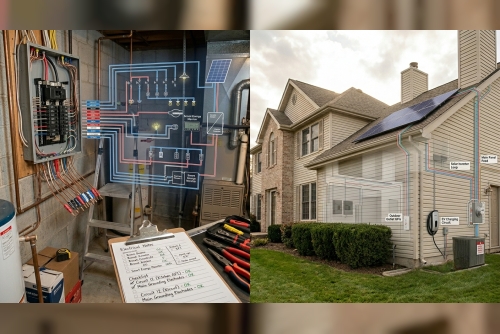
When buying a home in Dallas, TX, most people think about location, price, and curb appeal. But one of the most important things any buyer should understand is the condition of the electrical system. A faulty or outdated electrical system is not just a repair expense it is a serious safety risk. During a residential home inspection, the electrical system gets a thorough evaluation, and knowing what that involves can help you make better decisions.
What Is an Electrical System in a Residential Home?
The electrical system in a home is the complete network of components that delivers power throughout the property. It starts at the utility connection and runs through every room in the house.
A standard residential electrical system includes:
The main service panel, also called the breaker box or fuse box
Circuit breakers or fuses that protect individual circuits
Wiring that runs through walls, ceilings, and floors
Outlets and switches in every room
Light fixtures and ceiling fans
GFCI outlets in bathrooms, kitchens, and outdoor areas
Smoke detectors and carbon monoxide detectors connected to power
Grounding and bonding systems for safety
Every component plays a role in keeping the home powered safely and efficiently. When any part of this system fails or is improperly installed, the consequences can range from tripped breakers to electrical fires.
Why Is the Electrical System a Major Focus During a Home Inspection in Dallas, TX?
Dallas, TX has a wide range of housing stock, from newly built homes in suburbs like Frisco and McKinney to older properties in historic neighborhoods like Oak Cliff and East Dallas. The age and condition of the electrical system varies greatly depending on when and where the home was built.
Here is why the electrical system deserves close attention during a home inspection in Dallas, TX:
Older Dallas homes may still have outdated wiring types like aluminum wiring or knob-and-tube wiring that are considered fire hazards
Rapid population growth in Dallas has led to many homeowners making DIY electrical upgrades that may not meet current code
High electricity demand from air conditioning in Dallas summers puts extra stress on panels and circuits
Storm damage from severe Texas weather can affect exterior electrical connections and service entry cables
Homes that have been renovated or flipped may have hidden electrical work done without proper permits
A residential home inspection in Dallas, TX that does not carefully evaluate the electrical system leaves the buyer exposed to significant risk.
What Does a Home Inspector Check in the Electrical System?
During a residential home inspection, the inspector examines every accessible part of the electrical system. They are not electricians, but they are trained to identify visible defects, safety concerns, and items that need further evaluation by a licensed electrician.
Here is what a home inspector typically checks:
Main Service Panel
The condition and amperage rating of the panel
Whether breakers are properly labeled
Signs of corrosion, scorch marks, or moisture inside the panel
Double-tapped breakers, which occur when two wires share one breaker slot
Presence of recalled panel brands like Federal Pacific or Zinsco
Wiring Throughout the Home
Visible wiring in the attic, basement, or crawl space for signs of damage
Presence of aluminum wiring in homes built between the 1960s and 1970s
Any exposed or improperly spliced wiring
Evidence of DIY electrical work that may not be up to code
Outlets and Switches
Whether outlets are properly grounded
Presence of GFCI outlets in required locations like kitchens, bathrooms, garages, and outdoor areas
Outlets that do not work or show signs of damage
Loose or improperly installed switches and covers
Lighting and Fixtures
Flickering lights that may indicate loose connections
Improperly installed light fixtures in closets or near water sources
Missing cover plates on junction boxes
Each finding is documented in the inspection report with photos and recommendations for follow-up.
What Are Common Electrical System Problems Found in Dallas, TX Homes?
Certain electrical issues come up frequently in residential home inspections across Dallas, TX. Being aware of these common problems helps buyers know what questions to ask and what red flags to watch for.
The most common electrical system issues found in Dallas, TX homes include:
Outdated or undersized electrical panels that cannot handle modern power demands
Federal Pacific or Zinsco panels that are known to have safety defects and failure risks
Aluminum wiring in homes built during the 1960s and 1970s that requires special attention
Missing or non-functional GFCI outlets in kitchens, bathrooms, and outdoor spaces
Double-tapped breakers where two circuits share one breaker
Ungrounded two-prong outlets in older homes
Improper DIY wiring additions made during renovations
Open junction boxes with exposed wiring in attics or utility areas
None of these issues is necessarily a dealbreaker, but all of them deserve serious attention before closing on a home in Dallas, TX.
How Do Electrical System Issues Affect the Home Buying Process in Dallas, TX?
When a home inspection in Dallas, TX reveals electrical system problems, buyers have several options for moving forward. The findings in the report become a starting point for negotiation between the buyer and seller.
Here is how electrical system issues typically affect the buying process:
Minor issues like a few missing GFCI outlets or improperly labeled breakers may be easy and inexpensive to fix
More serious problems like an outdated panel or aluminum wiring may require a licensed electrician and cost several thousand dollars to address
Buyers can request that the seller make repairs before closing
Buyers can ask for a price reduction or closing credit to cover the cost of electrical repairs
In some cases, buyers may choose to walk away if the electrical system issues are too extensive or costly
Having a clear understanding of the electrical system condition gives buyers the leverage they need to negotiate fairly and protect their investment.
How Can Dallas, TX Homeowners Maintain Their Electrical System After Purchase?
Once you own a home in Dallas, TX, keeping the electrical system in good condition is an ongoing responsibility. Regular maintenance reduces the risk of electrical fires, power outages, and costly emergency repairs.
Good electrical system maintenance habits include:
Testing GFCI outlets monthly by pressing the test and reset buttons
Checking the breaker panel periodically for signs of heat, rust, or moisture
Avoiding overloading circuits by plugging too many devices into one outlet
Never ignoring flickering lights, warm outlets, or frequently tripping breakers
Having a licensed electrician inspect the system every few years
Upgrading the panel if the home still has a 60-amp or 100-amp service that struggles to meet demand
Ensuring any new additions or renovations include properly permitted electrical work
Staying proactive about the electrical system protects your home, your family, and the long-term value of your property in Dallas, TX.
Frequently Asked Questions (FAQs)
1. How does a home inspector evaluate the electrical system during a home inspection in Dallas, TX?
A home inspector performs a visual examination of all accessible electrical components, including the main service panel, visible wiring, outlets, switches, and light fixtures. They test outlets for proper function and grounding, check for GFCI protection in required areas, and look for signs of unsafe conditions like scorch marks, exposed wiring, or improper installations. They do not open walls or perform repairs during the inspection.
2. What is a Federal Pacific or Zinsco panel and why is it a concern in Dallas, TX homes?
Federal Pacific and Zinsco are brands of electrical panels that were installed in many homes across the country from the 1950s through the 1980s, including homes in Dallas, TX. These panels have been found to have design defects that can prevent breakers from tripping during overloads, which increases the risk of electrical fires. Home inspectors flag these panels and typically recommend evaluation or replacement by a licensed electrician.
3. Is aluminum wiring dangerous in a Dallas, TX home?
Aluminum wiring itself is not automatically dangerous, but it requires specific handling and compatible components to be safe. Homes in Dallas, TX built between the 1960s and 1970s may have aluminum branch circuit wiring, which can loosen at connections over time and create fire hazards. A licensed electrician can evaluate the aluminum wiring and recommend solutions such as adding approved connectors or upgrading affected circuits.
4. How much does it cost to upgrade an electrical panel in Dallas, TX?
The cost of upgrading an electrical panel in Dallas, TX typically ranges from $1,500 to $4,000 or more depending on the size of the upgrade and the complexity of the work involved. Factors that affect cost include the amperage of the new panel, the condition of existing wiring, and whether any additional code upgrades are required at the time of the project. Always get quotes from multiple licensed electricians before proceeding.
5. Can electrical system issues be used to negotiate the home price in Dallas, TX?
Yes. Electrical system findings from a residential home inspection in Dallas, TX are commonly used as negotiation points between buyers and sellers. Buyers can request that specific repairs be made before closing, ask for a reduction in the purchase price, or negotiate a closing cost credit to cover the cost of electrical work after the sale. Having written estimates from a licensed electrician strengthens the buyer's negotiating position.