


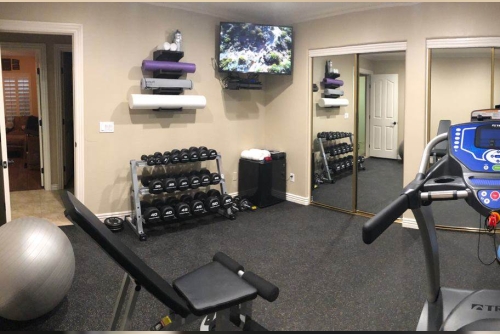
Setting up a gym is expensive. Between fitness equipment, interiors, lighting, mirrors, and branding, it's tempting to save money wherever you can. Flooring often becomes that place. I've met many gym owners who proudly told me they found flooring at a much lower price than everyone else. A few months later, many of them called back with completely different questions.
After working with gym owners for more than 15 years, I've learned that cheap flooring rarely stays cheap. The initial savings often disappear once repairs, replacements, and customer complaints begin. If you're planning to install gym flooring in Delhi, it's worth understanding what you're actually paying for before choosing the lowest quote.
Why Does Cheap Gym Flooring Cost So Much Less?
This is usually the first question people ask.
The answer isn't always simple because two rubber tiles can look almost identical from a distance. The real difference is often hidden inside the material itself.
Some manufacturers reduce costs by using lower-quality rubber, adding excessive fillers, or skipping proper curing during production. These shortcuts don't always show up on day one. The problems appear after weeks or months of regular use, when the flooring starts losing its shape or strength.
That's why comparing products only by price rarely tells the whole story.
Can Cheap Flooring Really Affect Gym Safety?
Yes, and this is one of the biggest concerns.
Imagine someone performing deadlifts every day in the same workout zone. If the flooring starts compressing unevenly, the lifting platform becomes unstable. Members may not notice it immediately, but over time it can affect balance and increase the risk of slips or awkward landings.
Good flooring isn't just there to make the gym look professional. It provides a stable surface that supports safe movement throughout the day.
Why Do Some Rubber Tiles Start Curling at the Edges?
I've seen this happen in several gyms that tried to reduce installation costs.
Edge curling usually happens when the rubber lacks density or expands and contracts unevenly. Once one tile lifts slightly, members begin catching their shoes on the raised corner. Cleaning also becomes difficult because dust collects underneath.
Replacing a few damaged tiles sounds simple, but matching the same size, thickness, and colour months later isn't always possible.
Is the Smell Normal?
A mild rubber smell after installation is common.
A strong chemical smell that lingers for weeks isn't.
Low-quality flooring sometimes contains recycled materials that haven't been processed properly. Instead of fading after a few days, the odour remains trapped inside the gym, especially if ventilation isn't ideal.
Several gym owners have told me their members started mentioning the smell before they even commented on the equipment. That's not the first impression any fitness business wants to create.
What Happens to Heavy Equipment Over Time?
This is something beginners rarely think about.
A treadmill, squat rack, or cable machine may weigh hundreds of kilograms. Cheap flooring often compresses permanently under constant weight. Once that happens, the equipment may no longer sit evenly on the floor.
You may start noticing slight movement during workouts or visible dents around machine legs. These marks usually don't disappear.
Good flooring spreads weight more effectively, helping both the equipment and the floor last longer.
Does Cheap Flooring Wear Out Faster in Busy Gyms?
Absolutely.
A home gym used by two people is very different from a commercial gym that sees hundreds of footsteps every day.
High-traffic areas near dumbbell racks, cardio sections, and entrances receive constant impact. Lower-quality rubber often becomes smooth in these areas first. As the surface wears down, grip reduces, and the floor begins looking older than it actually is.
That's why many commercial gyms choose denser products, even if the upfront investment is higher.
What About Cleaning and Maintenance?
Many people assume all rubber flooring is equally easy to maintain.
In reality, surface quality makes a noticeable difference.
Poorly finished flooring often has tiny pores that trap chalk dust, sweat, and dirt. Even after mopping, the floor may still look dull because the dirt has settled into the surface.
Higher-quality rubber generally has a more consistent finish, making regular cleaning quicker and helping the gym maintain a fresh appearance.
Can Cheap Flooring Damage the Floor Underneath?
It can.
If moisture becomes trapped beneath low-quality tiles or poorly installed flooring, the concrete below may begin developing damp patches over time.
I've also seen adhesive failures where tiles shift slightly with repeated use. Once movement begins, the entire section usually needs to be lifted and reinstalled.
Preventing these issues is far easier than fixing them months later.
Why Do Experienced Gym Owners Ask About Density Instead of Price?
This is something I've noticed over the years.
First-time buyers usually ask, "What's your cheapest option?"
Owners opening their second or third gym ask different questions.
They want to know the density, thickness, expected lifespan, and how the flooring performs under heavy weights.
Experience changes priorities because they've already seen what happens when flooring fails during daily operations.
Is Cheap Flooring Ever the Right Choice?
Sometimes it is.
If you're creating a small home workout area for light yoga, stretching, or bodyweight exercises, premium commercial flooring may not be necessary.
The mistake happens when people buy residential-grade products for commercial gyms. The flooring wasn't designed for heavy barbells, constant foot traffic, or machines weighing hundreds of kilograms.
Matching the flooring to its purpose is more important than buying the most expensive option available.
How Can You Tell If a Product Is Worth Buying?
Instead of asking only about the price, ask questions that reveal the product's quality.
Find out:
· What is the tile density?
· Is it suitable for commercial gyms?
· How does it perform under heavy equipment?
· Is it made for weightlifting areas or light workouts?
· What warranty or support is available after installation?
These answers often tell you far more than the quotation itself.
Don't Judge Flooring on Installation Day
One lesson I've learned is that almost every new floor looks good on the day it's installed.
The real test begins six months later.
Does it still sit flat?
Has the color remained consistent?
Are members complaining about loose edges or unpleasant smells?
Can staff clean it easily every evening?
Those are the questions that determine whether the flooring was actually a good investment.
Why Local Support Matters More Than Most People Realize
Many gym owners compare products from suppliers across different cities without considering future support.
If you're buying gym flooring in Noida or planning a new fitness center with gym flooring in Gurgaon, ask yourself who you'll call if you need replacement tiles, installation advice, or additional flooring next year.
Reliable after-sales support often becomes valuable long after the original purchase.
The same applies when sourcing products from established manufacturers in Rubber Flooring India. Consistency matters because gyms often expand, renovate, or replace sections over time.
One Piece of Advice I Give Every New Gym Owner
If I could give only one suggestion, it would be this.
Don't compare flooring by price alone.
Compare it by the number of years you expect it to perform.
A floor that lasts eight to ten years with minimal maintenance often costs less over its lifetime than one that needs repairs or replacement after just two or three years.
That's how experienced gym owners usually think.
Final Thoughts
Buying cheap gym flooring isn't always a mistake, but buying the wrong flooring usually is.
Your floor supports every workout, every machine, and every member who walks through your doors. It quietly does its job every single day, and most people don't notice it until something goes wrong.
Whether you're planning a commercial fitness center or researching gym flooring in Gurgaon, take the time to understand the product beyond its price tag. Companies such as Ashmita Enterprises often encourage buyers to ask technical questions first because informed decisions almost always lead to better long-term results.
A little extra research before installation can save you from expensive repairs, unhappy members, and unnecessary replacement costs in the future.
Frequently Asked Questions
1. How can I tell if gym flooring is good quality before buying?
Look beyond the price and appearance. Ask about the rubber density, intended use, thickness, warranty, and whether it's suitable for commercial gyms. If possible, request a sample and check how firm and durable it feels under pressure.
2. Is cheap gym flooring suitable for a commercial gym?
It depends on the type of gym and daily footfall. While budget flooring may work for a small home gym or light workout area, commercial gyms with heavy equipment and constant use generally require more durable flooring to ensure safety and long-term performance.
3. How long should quality rubber gym flooring last?
With proper installation and regular maintenance, high-quality rubber gym flooring can last anywhere from 8 to 10 years or even longer in many commercial fitness facilities. The lifespan also depends on usage, equipment weight, and cleaning practices.
4. What are the first signs that gym flooring needs replacement?
Common warning signs include lifted edges, gaps between tiles, permanent dents under equipment, excessive wear in high-traffic areas, fading, and a strong rubber smell that doesn't go away. These issues can affect both safety and the overall appearance of your gym.
5. Is spending more on gym flooring worth it?
In many cases, yes. Better-quality flooring usually requires fewer repairs, offers better shock absorption, lasts longer, and protects both your equipment and subfloor. Paying a little more upfront can often save you significant replacement and maintenance costs in the future.