

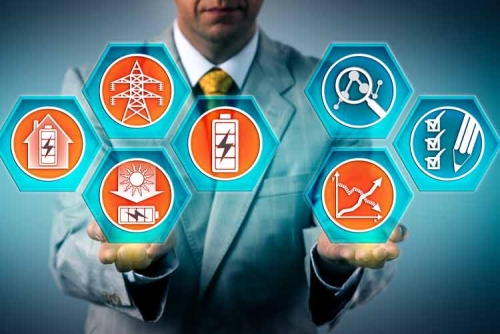
In the fast-paced world of business, the integration of technology has become a transformative force in various sectors, and utilities management is no exception. This article explores the pivotal role of technology in revolutionizing utilities management, examining how innovative solutions are reshaping the landscape of resource optimization and sustainability.
Smart Grids and Real-time Monitoring:
One of the significant contributions of technology to utilities management is the advent of smart grids. These interconnected systems leverage advanced sensors, communication networks, and data analytics to monitor and manage electricity distribution in real-time. Smart grids enable utilities to respond dynamically to changes in demand, detect and address faults swiftly, and optimize the overall efficiency of energy distribution.
IoT-enabled Sensors and Remote Management:
The Internet of Things (IoT) has ushered in an era of connectivity, and utilities management has reaped the benefits. IoT-enabled sensors allow businesses to collect real-time data on energy, water, and waste management. These sensors provide insights into consumption patterns, equipment performance, and potential issues, enabling organizations to remotely monitor and manage their utilities with unprecedented precision.
Predictive Analytics for Efficiency:
Technology-driven predictive analytics has become a game-changer in utilities management. By leveraging historical data, machine learning algorithms can forecast future utility consumption patterns and identify potential inefficiencies. This proactive approach allows organizations to optimize resource usage, reduce costs, and prevent downtime by addressing issues before they escalate.
Energy Management Systems (EMS) and Building Automation:
Energy Management Systems (EMS) have emerged as powerful tools in utilities management, especially for large commercial and industrial facilities. These systems integrate with building automation to monitor and control various aspects of energy consumption, including lighting, HVAC systems, and equipment usage. EMS empowers businesses to implement energy-saving measures automatically and in real-time, contributing to overall efficiency.
Blockchain for Transparent Transactions:
Blockchain technology is making waves in utilities management by enhancing transparency and traceability. In energy trading, for example, blockchain enables secure and transparent transactions between producers and consumers. This decentralized ledger technology ensures accuracy in billing, reduces fraud, and provides a tamper-proof record of energy transactions, fostering trust among stakeholders in the utilities ecosystem.
Renewable Energy Integration and Storage Solutions:
Technology plays a pivotal role in integrating renewable energy sources into the grid. Advanced solar and wind power technologies, coupled with energy storage solutions like batteries, enable businesses to harness clean energy efficiently. Smart technologies ensure the seamless integration of renewable sources into the existing grid infrastructure, promoting sustainability and reducing reliance on conventional energy sources.
Artificial Intelligence for Optimal Resource Allocation:
Artificial Intelligence (AI) is increasingly being employed to optimize resource allocation in utilities management. AI algorithms analyze vast datasets to identify patterns and anomalies, enabling organizations to make informed decisions about resource distribution. This includes load balancing, predictive maintenance, and efficient scheduling, resulting in enhanced operational efficiency and reduced waste.
Cybersecurity Measures for Resilience:
As technology becomes more ingrained in utilities management, cybersecurity becomes a paramount concern. Protecting critical infrastructure from cyber threats is essential to ensure the uninterrupted delivery of utilities. Robust cybersecurity measures, including firewalls, encryption, and regular vulnerability assessments, are crucial to safeguarding the integrity of utilities management systems.
Conclusion:
The fusion of technology and utilities management is revolutionizing how businesses optimize and manage essential resources. From smart grids and real-time monitoring to blockchain-enabled transparent transactions and artificial intelligence-driven optimization, technological advancements are reshaping the landscape of utilities management. Embracing these innovations not only enhances operational efficiency but also positions organizations at the forefront of sustainable and resilient resource management in the digital age.