


A dishwasher is an essential appliance that saves time and effort in keeping dishes clean. However, over time, grease, food particles, limescale, and soap scum accumulate inside, leading to unpleasant odors, bacterial growth, and reduced cleaning efficiency. Regular maintenance with a dishwasher cleaner is the key to keeping your appliance in top condition and ensuring spotless dishes every time. In this guide, we will discuss the importance of using a dishwasher cleaner, how to use it effectively, and answer common questions to help you make an informed decision.
Why You Need a Dishwasher Cleaner1. Removes Grease and Food ResidueFood scraps, grease, and soap residue build up inside the dishwasher over time, leading to a decrease in cleaning performance. A dishwasher cleaner helps break down these residues, ensuring optimal function.
2. Eliminates OdorsIf your dishwasher has a bad smell, it’s likely due to trapped food particles and mold. A dishwasher cleaner removes odor-causing bacteria and leaves your appliance smelling fresh.
3. Prevents Mold and Bacterial GrowthThe warm, moist environment of a dishwasher is ideal for mold and bacteria. Regular cleaning helps eliminate these harmful microorganisms and ensures hygienic dishwashing.
4. Improves Cleaning PerformanceA dirty dishwasher can leave spots and streaks on your dishes. Using a dishwasher cleaner ensures your machine operates efficiently and delivers sparkling clean dishes.
5. Extends the Lifespan of Your DishwasherRegular maintenance prevents clogs and mineral buildup, reducing wear and tear on internal components and prolonging the life of your dishwasher.
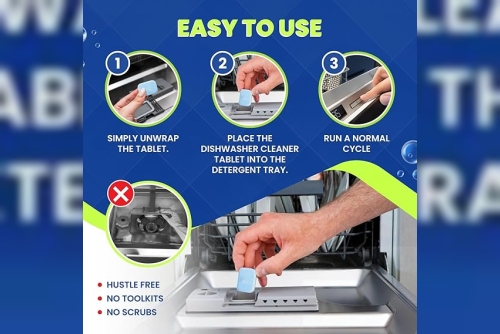
How to Use a Dishwasher CleanerUsing a dishwasher cleaner is simple and should be done regularly to maintain efficiency. Follow these steps:
Step 1: Empty the DishwasherRemove all dishes and utensils before starting the cleaning process.
Step 2: Place the Dishwasher CleanerDepending on the type of cleaner (tablet, liquid, or powder), place it in the detergent compartment or directly in the bottom of the dishwasher.
Step 3: Run a Cleaning CycleSelect the hottest wash cycle available. The heat helps break down grease, remove limescale, and kill bacteria.
Step 4: Wipe Down the InteriorOnce the cycle is complete, use a damp cloth to wipe the dishwasher’s door, seals, and filter to remove any loosened debris.
Step 5: Repeat MonthlyFor best results, use a dishwasher cleaner once a month to keep your appliance fresh and efficient.
Choosing the Right Dishwasher CleanerWhen selecting a dishwasher cleaner, consider the following factors:
1. Type of CleanerDishwasher cleaners come in different forms:
Tablets – Pre-measured and easy to use.
Liquid – Effective for deep cleaning and removing grease.
Powder – Dissolves quickly and tackles tough stains.
2. Ingredients and SafetyLook for non-toxic, biodegradable cleaners that are safe for household use and the environment.
3. Effectiveness Against Limescale and GreaseChoose a cleaner that specifically targets both grease and limescale buildup.
4. Fragrance PreferencesSome cleaners leave a fresh scent, while others are fragrance-free. Select one based on your preference.
5. Compatibility with All Dishwasher BrandsEnsure the cleaner works with all major dishwasher brands for hassle-free use.
DIY Dishwasher Cleaner AlternativeIf you prefer a natural alternative, you can make your own dishwasher cleaner at home using common household ingredients.
DIY Cleaning Solution:1 cup white vinegar – Removes grease and limescale.
1/2 cup baking soda – Neutralizes odors and scrubs away residue.
Instructions:Pour the vinegar into a dishwasher-safe container and place it on the top rack.
Run a hot wash cycle.
Sprinkle baking soda at the bottom and run a short cycle.
Wipe the interior to remove any remaining residue.
Frequently Asked Questions (FAQs)1. How Often Should I Use a Dishwasher Cleaner?It is recommended to use a dishwasher cleaner once a month to prevent buildup and maintain performance.
2. Can I Use Vinegar Instead of a Commercial Cleaner?Yes, vinegar is an effective natural alternative, but it may not be as powerful as commercial cleaners in breaking down heavy grease and limescale.
3. Are Dishwasher Cleaners Safe?Most dishwasher cleaners are non-toxic and food-safe. Always check the label for safety information.
4. Can I Use a Dishwasher Cleaner with Dishes Inside?No, for best results, run the cleaning cycle with an empty dishwasher.
5. What Happens if I Don’t Clean My Dishwasher?A dirty dishwasher can lead to clogged spray arms, foul odors, ineffective cleaning, and potential damage to the machine.
6. Do Dishwasher Cleaners Work for All Brands?Yes, most commercial dishwasher cleaners are compatible with major brands like Bosch, Whirlpool, Samsung, and KitchenAid.
7. What Is the Difference Between a Dishwasher Cleaner and a Dishwasher Detergent?Dishwasher detergent cleans dishes, while a dishwasher cleaner removes grease, limescale, and bacteria from the appliance itself.
ConclusionUsing a dishwasher cleaner is essential for maintaining a clean, efficient, and odor-free dishwasher. Regular cleaning removes grease, limescale, and bacteria, ensuring that your appliance functions properly and provides spotless dishes every time. Whether you choose a commercial cleaner or a DIY solution, keeping your dishwasher in top condition will enhance its performance and extend its lifespan. Make it a habit to clean your dishwasher monthly for the best results!