


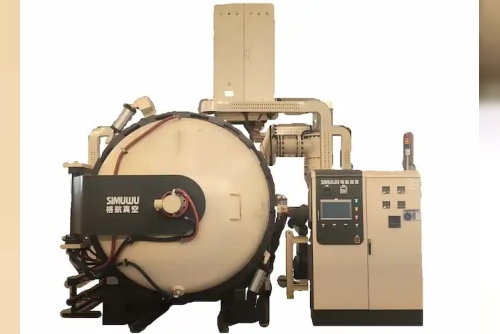
GTD222 is a precipitation-strengthened nickel-base cast superalloy utilized in high-temperature gas turbine components, such as blades and disks. Engineering these parts for maximum high-temperature strength, oxidation resistance, and corrosion resistance requires precise vacuum thermal processing. Implementing an optimized vacuum heat treatment cycle eliminates surface degradation and controls the precipitate morphology necessary for critical turbine applications.
Multi-Stage Thermal Cycles and Phase Optimization
The heat treatment protocol for GTD222 involves high-temperature solution treatment followed by specific aging phases. The solution stage homogenizes the cast microstructure and dissolves secondary phases under strict vacuum or protective atmospheres to prevent surface oxidation. Subsequent aging treatments precipitate the primary strengthening phases within the matrix. The execution of these thermal stages requires precise temperature uniformity to maintain microstructural consistency across complex, variable-thickness components.
Hot Zone Material Selection and Carburization Prevention
GTD222 exhibits high sensitivity to carbon pickup, making the choice of furnace insulation and heating elements critical to maintaining material integrity. Conventional graphite heating elements and insulation shields present a risk of trace carburization during elevated-temperature cycles. To maintain strict control over the alloy’s carbon content and prevent microstructural degradation, furnace configurations utilizing molybdenum heating elements combined with all-metal radiation shields are required to ensure a carbon-free processing environment.
High-Pressure Gas Quenching and Vacuum Integrity
Achieving the targeted material toughness depends directly on the cooling rate executed immediately following the solution treatment phase. High-performance vacuum gas quenching systems utilizing high-purity argon gas provide the necessary cooling velocities to control phase precipitation. The underlying furnace architecture must sustain low pressure rise rates and deep ultimate vacuum thresholds to completely prevent high-temperature oxidation and decarburization throughout the thermal cycle.
For complete technical specifications, exact temperature parameters, and comprehensive equipment data, view the full article here:
Vacuum Heat Treatment Process of Nickel-Base Superalloy GTD222