


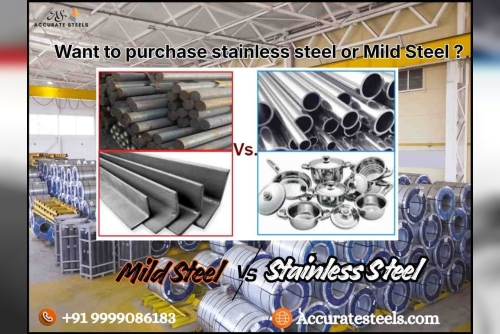
Stainless steel is one of the most commonly used metals in our daily life. It is shiny, strong, and resistant to rust—making it perfect for everything from kitchen utensils to big construction projects. In this guide, you’ll learn what is stainless steel, how it is made, its types, uses, benefits, and care tips in simple, easy words.
Stainless steel is a metal alloy made by mixing iron with chromium, nickel and sometimes molybdenum or nitrogen.
To be classified as stainless steel, it must have at least 10.5% chromium, which reacts with oxygen and forms a protective chromium oxide layer.
This layer prevents rust, corrosion, and staining, which is why the metal stays shiny for years.
It gets its name because it does not stain, rust, or corrode easily. Even after long use, stainless steel maintains a clean, polished look. It is used in medical tools, kitchen products, buildings, and industries because of its hygiene and long life.
A Brief History of Stainless SteelStainless steel was discovered in 1913 by Harry Brearley in Sheffield, England. He found that adding chromium to steel dramatically improved rust resistance.
This discovery transformed industries like construction, medical, automotive, and household utilities.
Stainless steel comes in many grades, but the five major families are:
1. Austenitic Stainless Steel (Most Common)High chromium and nickel
Excellent corrosion resistance
Non-magnetic
Grades: 304, 316
Uses: kitchen sinks, utensils, food processing equipment, chemical containers
2. Ferritic Stainless SteelChromium-based with little or no nickel
Magnetic
Moderate corrosion resistance
Grades: 430
Uses: automotive parts, decorative trims, washing machine drums
3. Martensitic Stainless SteelStrong and hard due to heat treatment
Magnetic
Lower corrosion resistance than austenitic
Grades: 410, 420
Uses: knives, scissors, surgical instruments
4. Duplex Stainless SteelCombination of ferritic + austenitic
High strength and excellent corrosion resistance
Grades: 2205
Uses: chemical tanks, pipelines, oil & gas industry
5. Precipitation Hardening Stainless SteelCan be made extremely strong
Good corrosion resistance
Grade: 17-4 PH
Uses: aerospace parts, turbine blades
Key Properties of Stainless SteelStainless steel is trusted globally because of its unique qualities:
Corrosion resistant – does not rust easily
High strength – durable and long-lasting
Heat resistant – can tolerate both high and low temperatures
Hygienic – easy to clean, great for kitchens & hospitals
Attractive appearance – shiny, smooth and premium
100% recyclable – eco-friendly
Low maintenance – requires very little care
Uses of Stainless SteelStainless steel is used in almost every industry:
In the KitchenPlates, spoons, forks, knives
Gas stoves, chimneys
Kitchen sinks and countertops
Construction & ArchitectureRailings, gates, outdoor structures
Cladding and building frames
Bridges and monuments
Automobile IndustryExhaust systems
Decorative and structural parts
Medical & HealthcareSurgical tools
Hospital machinery
Implants
Industrial ApplicationsChemical containers
Food processing units
Oil & gas pipelines
Other UsesWatches, jewellery
Marine vessels
Aerospace components
Advantages of Stainless SteelVery long life
Low maintenance
Hygienic and safe for food
Modern and premium look
Resistant to extreme temperatures
Fully recyclable and eco-friendly
Disadvantages of Stainless SteelMore expensive than regular steel
Requires special tools for cutting & welding
Heavier than aluminium
How to Take Care of Stainless SteelTo maintain shine and strength:
✔ Clean regularly with mild soap
✔ Avoid harsh chemicals like bleach
✔ Dry immediately after washing
✔ Use stainless steel polish for removing light scratches
Austenitic grades (304, 316): Not magnetic
Ferritic and martensitic grades (410, 430): Magnetic
This helps identify different stainless steel types easily.
ConclusionNow you clearly understand what stainless steel is, how it is made, its types, uses, advantages, and properties.
Whether it is in your kitchen, your building, your vehicle, or industrial projects, stainless steel remains one of the strongest, safest and most durable metals available today. Its shine, rust resistance and long life make it a highly trusted material across the world.