


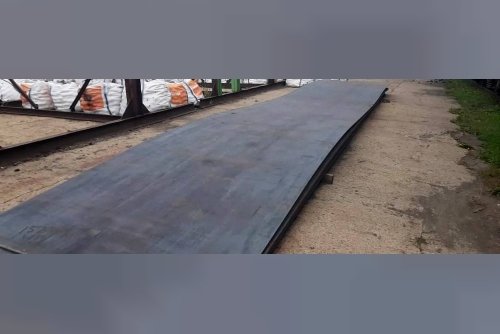
In the demanding world of industrial applications, materials that offer strength, durability, and resistance to extreme conditions are invaluable. Among such materials, the tungsten sheet stands out due to its remarkable properties. From aerospace to electronics, its widespread use across diverse sectors highlights its importance. In this blog, we’ll explore the key industrial benefits of tungsten sheets, why they are preferred in high-performance environments, and what makes them an ideal choice for modern industries.
What Is a Tungsten Sheet?A tungsten sheet is a flat-rolled product made from pure tungsten or tungsten alloys. It is manufactured through a series of powder metallurgy processes, including pressing, sintering, and rolling. Available in various thicknesses and dimensions, tungsten sheets are known for their high density, excellent thermal conductivity, and extreme melting point of 3,422°C (6,192°F)—the highest of all metals.
Key Properties of Tungsten SheetsBefore diving into industrial benefits, it’s important to understand what makes tungsten sheet material unique:
High Melting Point: Can withstand extreme temperatures without deforming.
High Density: Offers radiation shielding and superior mechanical strength.
Corrosion Resistance: Resists chemical reactions, even at high temperatures.
Thermal and Electrical Conductivity: Suitable for electronics and thermal management.
Low Vapor Pressure: Maintains integrity in vacuum and high-heat environments.
These properties contribute directly to the benefits that industries reap from using tungsten sheets.
1. High-Temperature Resistance for Extreme Environments
Tungsten sheets are often used in applications involving extreme heat. Industries such as aerospace, defense, and furnace manufacturing benefit from their ability to retain strength and shape at high temperatures. For instance, they are used in heat shields, thermionic emitters, and components for rocket engines.
Unlike materials that weaken or deform under intense heat, a tungsten sheet maintains structural integrity, making it indispensable for high-temperature industrial processes.
2. Radiation Shielding in Medical and Nuclear Fields
Thanks to its high density, tungsten is an excellent material for radiation shielding. Tungsten sheets are used in X-ray equipment, CT scanners, and nuclear reactors where shielding from harmful radiation is crucial.
Compared to traditional lead-based shielding, a tungsten sheet provides similar or better protection in a thinner profile, reducing weight and space requirements—especially beneficial in medical equipment and mobile imaging systems.
3. Wear and Corrosion Resistance
In industries where components are exposed to corrosive environments—such as chemical processing, oil & gas, and marine applications—tungsten sheets outperform many other metals. Their natural resistance to oxidation and corrosion, even in harsh chemical surroundings, ensures longevity and reduces maintenance costs.
For example, furnace liners made from tungsten sheet materials do not degrade quickly, ensuring consistent performance over long periods.
4. Precision Electronics and Semiconductors
Tungsten sheets play a vital role in the electronics and semiconductor industries due to their exceptional thermal and electrical conductivity. They are used in the fabrication of electrodes, heat sinks, and contact materials.
The ability of a tungsten sheet to conduct heat efficiently helps prevent overheating in microelectronic components, improving performance and lifespan in everything from smartphones to high-speed computers.
5. Aerospace and Defense ApplicationsLightweight materials are often prioritized in aerospace, but when strength and temperature resistance are critical, tungsten sheets come into play. Their use in missile components, aviation heat shields, and counterweights demonstrates their strategic value.
In defense, a tungsten sheet may also be used in armor plating, offering protection while minimizing the weight increase compared to traditional materials.
6. Environmentally Friendly Alternative to LeadAs environmental regulations become stricter, industries are turning to safer alternatives to hazardous materials like lead. Tungsten sheets serve as a non-toxic, eco-friendly alternative in radiation shielding and balance weights. Their recyclability further enhances their appeal in sustainable manufacturing practices.
7. Customization and VersatilityOne of the practical benefits of using a tungsten sheet is the ease of customization. Manufacturers can produce sheets in a variety of thicknesses and finishes to suit specific industrial requirements. Whether it’s ultra-thin foils for electronics or thicker sheets for heat shielding, tungsten sheet products can be tailored to precise specifications.
Choosing the Right Tungsten Sheet for Your ApplicationWhen selecting a tungsten sheet for industrial use, consider the following factors:
Purity Level: High-purity tungsten (typically ≥99.95%) is recommended for high-performance applications.
Dimensions: Choose the right thickness and size based on your application’s structural and thermal requirements.
Surface Finish: Depending on whether the sheet will be further processed or used directly, surface finish can be important.
Working with a reliable supplier who understands your industry can help ensure you get a tungsten sheet that meets both technical and operational needs.
Final ThoughtsIn conclusion, the tungsten sheet is an indispensable material across multiple industries, offering unmatched strength, heat resistance, and reliability. Whether it's withstanding the extreme conditions of aerospace environments, providing safety in medical imaging, or enhancing the performance of electronic devices, tungsten sheets deliver results that few other materials can match.
If you’re involved in an industry that demands durable and high-performance materials, incorporating tungsten sheet products into your operations can lead to better efficiency, safety, and longevity.