


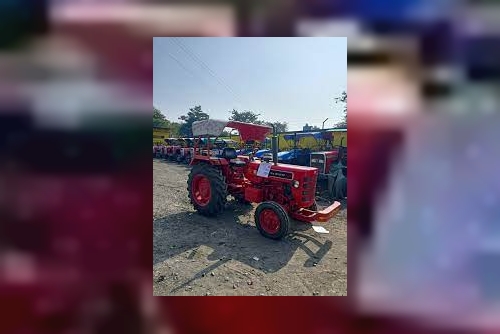
In today’s fast-changing agricultural landscape, where high-end technology and modern machinery dominate fields, the charm and utility of an old tractor continue to stand firm. For many farmers, these machines are more than just tools—they are trustworthy workhorses that have served generations with unmatched durability. Whether it is affordability, mechanical simplicity, or emotional sentiment, old tractors still hold a significant place in rural communities across the world. This article explores the real value of owning an old tractor, why they remain relevant, and how they contribute to sustainable and cost-effective farming.
Introduction
While modern tractors are equipped with advanced hydraulics, GPS systems, and complex electronics, an old tractor offers something uniquely compelling: reliability through simplicity. These machines were built during a time when strength, metal quality, and practical design mattered more than digital features. Farmers who use them often say, “If something breaks, I can fix it myself.” And this is no exaggeration.
Old tractors remain important today for several reasons—they are affordable, easier to maintain, and perfectly capable of handling many everyday farming tasks. They also play a role in heritage conservation, serving as reminders of agricultural evolution. In this article, we dive deep into the reasons behind the continued popularity of old tractors, their benefits, buying considerations, and how they influence modern farming practices.
Why Old Tractors Still Have a Strong Demand
1. Cost-Effective for Small and Medium Farmers
One of the biggest advantages of an old tractor is affordability. New tractors have become significantly expensive due to rising manufacturing costs and advanced features. For small and medium farmers, investing in a new machine can strain their finances.
Old tractors, however, offer a budget-friendly alternative. Even well-maintained models can be purchased at a fraction of the cost of a new tractor, enabling farmers to save money while still getting a dependable machine. This also allows them to invest in other essential farm requirements such as seeds, fertilizers, or irrigation systems.
2. Built With Heavy-Duty Materials
Old tractors were designed to last decades. Manufacturers in earlier decades focused on thick metal frames, robust engines, and uncomplicated mechanical systems. Their build quality is often superior to many modern lightweight versions.
The durability of these machines is evident from the thousands of old tractors still running smoothly even after 30 to 50 years. This long life span makes them a preferred choice for those who value strength over aesthetics.
3. Easy to Repair and Maintain
One of the standout qualities of an old tractor is that most of its parts and systems are mechanical rather than electronic. This means farmers can often diagnose and fix issues on their own without needing sophisticated tools or expensive technicians.
Common reasons old tractors are easier to maintain:
Simple engine layouts Fewer electronic sensors Low-cost spare parts Easy availability of local mechanics Repair accessibility in rural areasFor farmers in remote regions where service centers are far away, this simplicity becomes a huge advantage.
4. Fuel Efficiency in Smaller Tasks
Old tractors, especially models between 35–45 HP, are known for their impressive fuel efficiency. They can handle common tasks such as tilling, ploughing, transporting goods, and operating basic implements while consuming minimal diesel.
For activities such as orchard farming, small land preparation, and inter-cultivation, older tractors often perform just as well as new ones, making them cost-efficient in the long run.
Types of Old Tractors Popular in Rural Markets
1. Vintage Antique Tractors
These tractors are usually 40–70 years old and are often collected as antiques. They may not be used for daily farming but are cherished for historical and sentimental value.
2. Classic 1970s–1990s Tractors
Many of these models are still actively used in agriculture. They strike a balance between mechanical durability and basic functionality.
3. Early 2000s Models
Though slightly newer, these tractors still fall under the “old tractor” category for many farmers. They offer better comfort and horsepower while remaining affordable on the resale market.
Benefits of Using an Old Tractor in Modern Agriculture
1. Perfect for Basic Farm Operations
An old tractor can handle most foundational tasks like:
Harrowing Seeding Cultivating Water pumping Spraying Transporting produceFor many farmers, these tasks don’t require expensive new technology. An old tractor does the job efficiently.
2. Lower Insurance and Depreciation Costs
New tractors depreciate quickly and come with high insurance premiums. In contrast, old tractors have already undergone most of their depreciation, and their insurance charges are minimal. This makes ownership far more economical.
3. Suitable for Secondary Farm Activities
Some farmers buy old tractors specifically for:
Haulage work Operating threshers Pulling trolleys Rural construction workThis allows them to keep newer tractors reserved for heavy-duty tasks.
4. Reduced Financial Risk
If a farmer faces harsh weather, crop failure, or market uncertainties, an affordable old tractor reduces overall financial burden. Lower investment means lower risk.
Things to Check Before Buying an Old Tractor
A well-chosen old tractor can serve faithfully for years—but a poor-condition one can be costly. Here is a checklist to follow:
1. Engine Condition
Check for smooth start-up, consistent sound, and smoke color. Blue smoke may indicate oil burning, while black smoke can signal incomplete combustion.
2. Hydraulic System
Test lifting capacity with attached implements. Old tractors with weak hydraulics may need expensive repairs.
3. Tyres and Steering
Tyres often need replacement in old tractors, so factor this into the cost. Ensure steering is not overly loose.
4. Gearbox and Clutch
Shifting should feel smooth without excessive noise or force.
5. Service History
A tractor with documented maintenance records is always a safer investment.
6. Legal Verification
Ensure the tractor’s RC, insurance, and chassis details are genuine to avoid later disputes.
How Old Tractors Support Sustainable Agriculture
Sustainability is becoming a major global concern, and old tractors play an unexpected role in this conversation. By extending the lifespan of machinery instead of producing new ones, farmers help reduce manufacturing emissions and metal waste. Repairing and reusing old tractors is an eco-friendly practice that contributes to long-term environmental balance.
Additionally, the mechanical engines of old tractors are known for fuel efficiency during low to moderate workloads, reducing overall fuel consumption.
Conclusion
The enduring popularity of an old tractors is proof that age does not diminish value—it often enhances it. These machines represent strength, simplicity, and trust. For many farmers, an old tractor is not just a cheaper alternative but a reliable partner in cultivation. It offers durability, cost savings, and ease of maintenance while still performing essential agricultural tasks effectively.
As farming evolves with modern innovations, the old tractor continues to hold its ground, proving that sometimes the traditional ways are still the best. Whether used daily or cherished as a vintage machine, an old tractor remains a vital component of agricultural life, bridging the gap between the past and the future.