


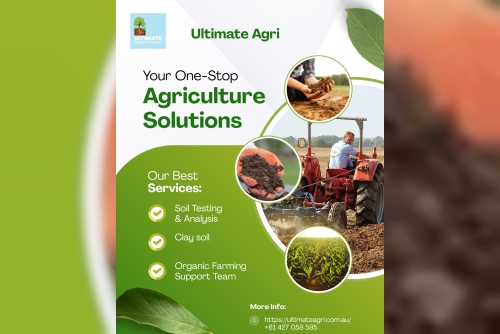
Clay soil is among the most commonly used soil types you will find in Australian farms, gardens, and landscapes. Although it is abundant in nutrients and has an excellent capacity for holding water, however, it also poses significant challenges if it is not properly managed. Understanding the characteristics of clay soil and the proper techniques for treatment can assist Australian gardeners and farmers realise the full potential of clay soil.
What is Clay Soil?Clay soil is composed of very small mineral particles which adhere to each other. These particles create a strong structure that can hold water as well as nutrients, well, which is a boon for crops in dry times. However, this same density can also lead to low drainage, slow water circulation and limited growth of the root, particularly in areas that are compacted.
In Australia, clay soils are prevalent in areas such as Victoria, New South Wales and areas of South Australia, where they provide a variety of agricultural practices. But clay soils require careful management in order to preserve the structure and productivity.
Challenges with Clay Soil in Australiaclay soil Australia conditions could create a variety of issues if they are not properly addressed:
Waterlogging In excess of moisture, soils become anaerobic, decreasing the amount of oxygen available to plant roots.
Compaction The use of machines or over-tilling can further compact clay, which makes it difficult for roots to get through.
Cracking and crusting: After drying, clay soils become hard and crack, which can affect seed emergence and the establishment of plants.
Nutrient imbalance Clay can store nutrients, but soil structure could cause them to be less accessible to plants.
How to Improve Clay Soil
The process of improving clay soil structure requires an array of chemical, biological as well as mechanical techniques:
Use Gypsum (calcium sulphate) is among the most effective ways of breaking clay particles. This replaces sodium-ion ions by calcium, which improves the aggregation of soil and drainage.
Incorporate Organic Matter in The manure and compost and crop residues to enhance soil porosity and Microbial activity.
Avoid working too hard on wet soil: Tilling clay when wet can cause more compaction. Till the soil only when it's dry and crumbly.
Encourage deep Root Systems: Growing deep-rooted plants, such as the lucerne plant, can increase aeration and improve structure as time passes.
Standard Soil Testing, knowing the pH and salinity and nutrient levels assists in implementing the correct modifications to achieve the best results.
Q&A: Common Questions About Clay Soil in AustraliaQ What is the best clay soil for agriculture?
A Yes, if properly managed, clay soil is extremely
fertile. Its capacity to store nutrients is a major
factor in ensuring the growth of crops.
Q: What's the best method of treating earthy soil?
An Application of gypsum, improving drainage and
adding organic material are among the most efficient long-term solutions.
Q What plants can thrive with the clay soil?
An Absolutely. A variety of
crops, like wheat, canola and a variety of vegetables, flourish in soils made
of clay if taken care of.
If you take the proper approach, clay soil Australia can transform from a difficult medium to a viable basis to sustainably grow. A regular soil monitoring program, the application of gypsum and organic matter enhancement is the most effective way to unleash its full potential - making sure that crops are healthier, more efficient water usage, and lasting fertilisation of the soil across all Australia's varied agricultural landscapes.