


As the uterus increases in size, it may press against nearby organs in the pelvis. This pressure explains why symptoms can extend beyond menstruation.
Pressure on the bladder can lead to frequent urination or a constant urge to urinate, even when the bladder is not full. Some women feel they need to use the restroom more often throughout the day and night.
If the uterus presses against the rectum, constipation or discomfort during bowel movements may occur. Lower back pain and pelvic discomfort are also common, especially when sitting or standing for extended periods.
Fibroids as a Leading Cause of Uterine Enlargement
Fibroids are the most frequent cause of uterine enlargement and related symptoms. Their location often determines which symptoms are most noticeable. Fibroids growing inside the uterine cavity tend to affect bleeding patterns, while those growing outward are more likely to cause pressure-related discomfort.
Many women notice abdominal distension, reduced comfort during physical activity, or a feeling of heaviness that gradually becomes more noticeable. Educational resources from USA Fibroid Centers help explain how fibroid size and placement influence these physical changes.
When Enlarged Uterus Symptoms Should Be Checked
Persistent pelvic pressure, unexplained abdominal enlargement, or significant changes in menstrual bleeding should be evaluated by a healthcare provider. While most causes are benign, evaluation helps identify the reason and rule out less common conditions.
Imaging tests such as ultrasound are commonly used to assess uterine size and structure. Early evaluation often provides reassurance and clarity rather than cause for concern.
It is important to note that uterine enlargement alone does not indicate cancer. Fibroids account for the majority of cases.
Understanding Evaluation and Diagnosis
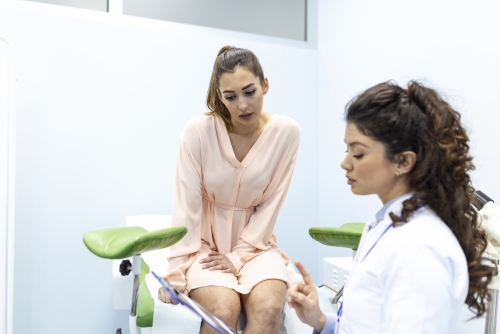
Diagnosis usually begins with a pelvic exam followed by imaging to confirm findings. The focus is on identifying the cause of enlargement rather than treating the enlargement itself.
Learning more about enlarged uterus symptoms allows women to recognize patterns, track changes, and communicate concerns more clearly during medical appointments.
Education plays a key role in reducing uncertainty and helping women feel more confident when discussing symptoms.
Moving Forward with Awareness
Changes in the body often happen quietly before becoming disruptive. Enlarged uterus symptoms are one way the body communicates that something has changed internally.
By staying informed and seeking evaluation when symptoms persist, women can approach their reproductive health with clarity, confidence, and knowledge rather than uncertainty.