


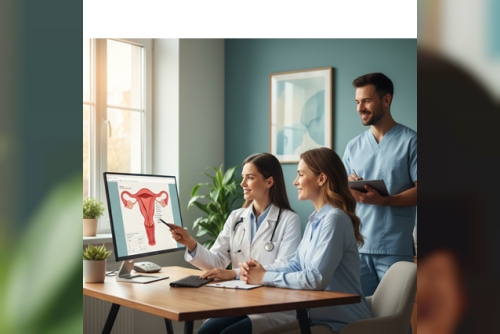
Many women living with fibroids search for treatment options that fit their lifestyle, comfort needs, and long-term health goals. Uterine Fibroid Embolization (UFE) often becomes part of this search because it provides a minimally invasive, uterus-preserving approach to symptom relief. Understanding how UFE works, what it treats, and what the experience is like can help women make informed choices. This guide explains the essentials of ufe fibroids treatment so women can better understand what to expect.
Uterine Fibroid Embolization is a minimally invasive procedure designed to shrink fibroids by limiting their blood supply. Instead of surgically removing fibroids, UFE approaches the issue internally through a tiny incision, usually in the wrist or groin.
A small catheter is guided into the uterine artery using imaging. Once in place, tiny particles are released into the vessels feeding the fibroids. Over time, the reduced blood flow causes fibroids to shrink gradually, which can help lessen symptoms.
Because UFE does not involve a large incision or general anesthesia, women can return home the same day. Many appreciate that ufe fibroids treatment supports a shorter recovery and keeps the uterus intact.
Why Women Consider UFEFibroid symptoms vary widely, but they can often interfere with daily routines. Women choose to explore UFE when symptoms become persistent or disrupt their well-being.
Common symptoms that lead women toward UFE include:
• Heavy menstrual bleeding
• Pelvic or lower-back discomfort
• Bloating or abdominal pressure
• Frequent urination
• Fatigue linked to heavy periods
Women dealing with these symptoms may seek ufe fibroids care because it offers a non-surgical option that targets multiple fibroids at once.
Who Might Be a Good CandidateUFE may be an option for women with single or multiple fibroids, including larger ones. A specialist uses imaging such as MRI or ultrasound to evaluate suitability for the procedure.
Women often choose UFE because it:
• Avoids major surgery
• Preserves the uterus
• Treats fibroids of different sizes
• Helps reduce multiple symptoms
• Requires shorter downtime
Yes. UFE is designed to be uterus-preserving, which is one reason many women consider it.
What the Treatment Process Looks LikeUnderstanding each step of UFE helps women approach treatment with more confidence.
Before the ProcedureThe journey begins with a consultation where a specialist reviews symptoms and imaging. This is an opportunity for women to understand the treatment and ask questions.
During the ProcedureThe UFE procedure generally takes less than an hour. Once the catheter is positioned and particles are released to block fibroid blood flow, women rest briefly in recovery. Most return home the same day.
After the ProcedureMild cramping or discomfort during the first few days is normal. Many women return to work within one to two weeks. Symptom improvement usually appears gradually as fibroids shrink.
Q/A: How long before women feel relief?Some women notice early improvement, while others experience gradual change over several months.
Why Specialized Fibroid Centers MatterSpecialized care ensures consistency, comfort, and expert evaluation. Centers dedicated to minimally invasive treatment offer modern imaging, skilled interventional radiologists, and supportive follow-up care.
USA Fibroid Centers provides multiple locations across the country, giving women convenient access to UFE and a patient-centered experience. Their approach emphasizes education and support, helping women feel informed throughout every stage of care.
Moving Forward with UnderstandingLearning about ufe fibroids gives women clarity about one of the key minimally invasive treatment options available today. UFE can help reduce fibroid symptoms without major surgery, offering a path toward improved comfort and daily well-being. With accessible care and expert guidance, women can move forward with greater knowledge and confidence.



 Casino en Ligne France 2026 : Guide Ultime des Plateformes Fiables et Modernes