


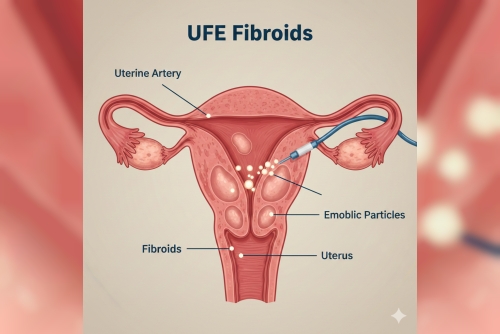
For many women, uterine fibroids can quietly grow over time before symptoms begin to interfere with daily life. Heavy menstrual bleeding, pelvic pressure, abdominal fullness, and discomfort are common concerns that often lead women to explore treatment options. When researching minimally invasive approaches, many come across ufe fibroids as a potential option.
Understanding how UFE works and how it treats fibroids of different sizes helps women feel more informed as they consider next steps in their care journey.
What Are Uterine Fibroids?
Uterine fibroids are noncancerous growths that develop in or around the uterus. They can vary widely in size, number, and location, which is why symptoms differ from one woman to another. Some women may experience minimal discomfort, while others may face significant challenges related to bleeding, pressure, or pain.
Because fibroids behave differently depending on these factors, treatment decisions are highly individualized and benefit from thorough evaluation and education.
How UFE Works for Fibroids
Uterine Fibroid Embolization is a minimally invasive procedure performed by an interventional radiologist. Instead of surgically removing fibroids, UFE focuses on reducing the blood supply that allows fibroids to grow.
During the procedure, tiny particles are delivered through a small catheter to block the blood vessels feeding the fibroids. When fibroids receive less blood, they may gradually shrink over time, which can help reduce symptoms. This approach treats fibroids from within the uterus rather than targeting them individually.
Can UFE Treat Larger Fibroids?
A common question women ask when learning about UFE fibroids is whether the procedure works for larger fibroids. Fibroid size is an important consideration, but it is not the only factor. Location, number of fibroids, and overall health also play key roles in treatment planning.
Because UFE targets blood flow rather than fibroid size alone, both small and large fibroids may respond to treatment. Imaging and specialist evaluation are essential to determine whether UFE may be appropriate for an individual case.
Why Women Explore UFE for Fibroid Treatment
Many women explore UFE because it is a non-surgical option that preserves the uterus. For those who want to avoid major surgery or lengthy recovery times, UFE offers an alternative focused on symptom management.
Another reason women research UFE fibroids is recovery. While experiences vary, many women return to daily activities sooner compared to traditional surgical treatments. This can make UFE appealing for women balancing work, family, and personal responsibilities.
The Importance of Individualized Evaluation
Fibroid treatment is not one-size-fits-all. Even when fibroids are large, treatment decisions depend on detailed imaging, symptom severity, and personal health goals.
Consultations with experienced fibroid specialists help women understand what to expect from treatment and whether UFE aligns with their needs. Education and clear communication are essential parts of this process.
Specialized Fibroid Care and Education
Choosing a center that focuses specifically on fibroid treatment can make a meaningful difference in the care experience. Specialized centers emphasize patient education, advanced imaging, and minimally invasive options when appropriate.
USA Fibroid Centers is dedicated exclusively to fibroid care and minimally invasive treatments. This focused approach helps women better understand fibroid treatment options, including UFE, through clear explanations and supportive care.
Making Informed Decisions About Fibroid Care
Learning about UFE fibroids empowers women to take an active role in their healthcare decisions. Understanding how the procedure works, how fibroid size factors into treatment planning, and why individualized evaluation matters can reduce uncertainty and stress.
With access to specialized care and reliable education, women are better equipped to choose treatment paths that align with their health needs, lifestyle, and long-term well-being.



 The Beijing Summit: A High-Stakes Reboot of the Global Supply Chain