


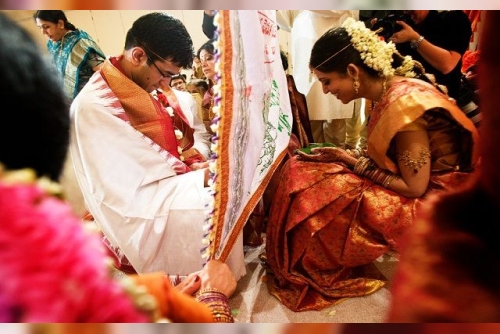
Tamil matrimony is known for its rich heritage, meaningful rituals, and strong family involvement. Each step in a Tamil wedding carries deep cultural significance and reflects values like respect, blessings, harmony, and prosperity. Here’s a simple explanation of the most important Tamil matrimony rituals. ???? 1. Nichayathartham (Engagement Ceremony)
The Tamil wedding journey begins with nichayathartham, where both families formally confirm the marriage. Gifts are exchanged, elders bless the couple, and the date for the wedding is decided. This ceremony symbolizes mutual trust and family unity.
???? 2. Paaligai (Seed Planting Ceremony)Married women plant seeds in clay pots while singing traditional songs. As the seeds grow, they represent the couple’s prosperity, fresh beginnings, and growth. It’s a beautiful ritual that fills the home with positivity and blessings.
???? 3. Kashi Yatra (Symbolic Journey)In this lighthearted ritual, the groom pretends to leave for a spiritual journey to Kashi. The bride’s father stops him and convinces him to fulfill his duties as a householder. It adds humor to the ceremony while highlighting the importance of responsibility.
???? 4. Oonjal (Swing Ceremony)The bride and groom sit on a decorated swing, gently rocked by family members. This ritual represents balance, support, and harmony in married life. Elders feed the couple milk and banana to bless them with sweetness and stability.
???? 5. Muhurtham (Sacred Wedding Moment)This is the highlight of the wedding. During muhurtham, the groom ties the thaali (mangalsutra) around the bride’s neck. This signifies marriage and lifelong commitment. The couple then takes seven steps together, promising love, partnership, and mutual respect.
???? 6. Nalangu (Post-Wedding Celebration)Nalangu is a fun-filled event after the formal rituals. The bride and groom play traditional games, sing songs, and enjoy time together. This ceremony marks the beginning of their new life with joy and connection.
Tamil matrimony rituals beautifully blend spirituality, culture, and celebration. They symbolize more than a wedding—they represent the joining of two families and the start of a meaningful partnership.