

What are Stainless Steel Instrumentation Valves?
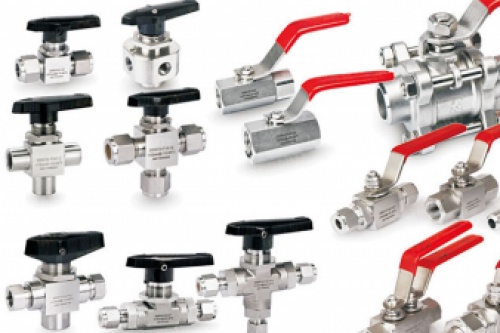
Stainless steel instrumentation valves are control elements that regulate the flow of liquids or gases through piping systems, allowing the flow rate to be adjusted or completely stopped when needed. They come in various sizes and configurations, including globe valves, ball valves, butterfly valves, diaphragm valves, needle valves, check valves, and more. The most commonly used material for these types of valves is stainless steel due to its high corrosion resistance and strength at high temperatures.
Stainless Steel Instrumentation Valves have many applications in various industries, such as food processing plants, oil refineries, chemical plants, and water treatment facilities. They can regulate the pressure and flow rate in pipes carrying fluids or gases throughout a facility by controlling the amount of fluid allowed to pass through at any given time. Additionally, they can be used as safety devices in case an unexpected increase or decrease in pressure or flow rate could cause damage to equipment or personnel.
Advantages of Stainless Steel Instrumentation Valves
The main advantage of using stainless steel instrumentation valves is their durability and reliability. These valves are designed for long-term use without frequent maintenance or replacement due to corrosion or wear and tear from frequent use. Additionally, they offer superior performance compared to other materials due to their strong resistance against corrosion caused by chemicals and other substances that may come into contact with them over time. Lastly, they do not require as much energy consumption as other instruments like hydraulic systems since they don’t need a continuous operation to maintain their performance standards.
Features of Stainless Steel Instrumentation Valves
SS instrumentation valves come with several features that make them ideal for industrial applications, such as adjustable control levers which allow precise regulation of fluid flow while providing easy access for maintenance purposes, tamper-proof seals which prevent unauthorized access; locking mechanisms that provide extra security against tampering; non-corrosive construction which ensures long life even when exposed to harsh conditions; and quick installation thanks to their low weight compared to other materials like iron or brass.