


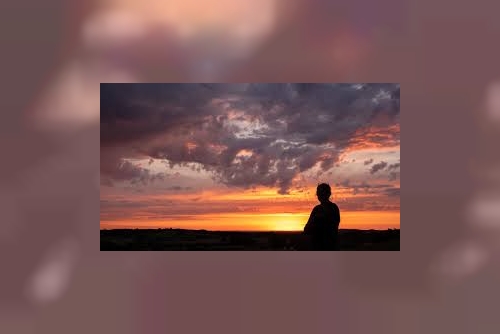
Silhouette photography is one of the most visually captivating styles in the world of photography. It involves capturing subjects as dark, shadow-like shapes against a bright background, creating a stunning blend of mystery, simplicity, and artistic expression. Whether you want to photograph human figures, animals, architecture, or natural elements, silhouette photography can turn an ordinary scene into a dramatic and emotionally compelling image. Many beginners assume this technique is difficult, yet with the right understanding of lighting, exposure, and composition, silhouette photography becomes an exciting and rewarding creative approach.
A silhouette is created when the subject appears completely dark and without visible detail, while the background is much brighter and illuminated. The key principle behind this type of photography is contrast. Your camera needs to expose for the bright background instead of the subject itself. When this happens, the darker subject becomes underexposed and forms a bold, recognizable shape. This shape is what tells the viewer the story, so clarity and outline matter more than detail or color.
Silhouette photography relies heavily on lighting direction. The light source must be behind the subject. This is why silhouettes are often seen during sunrise or sunset when the sky produces warm, richly toned colors that naturally enhance the subject’s outline. However, strong artificial lights, studio setups, and even bright windows can also create impressive silhouettes indoors.
Choosing the Ideal Lighting for Silhouette PhotographyLighting is the foundation of every silhouette image. The most popular times to shoot are during the golden hour and the blue hour. During these periods, the sky is bright enough to create illumination, but soft enough to produce vibrant tones that make silhouettes feel emotionally expressive. The sun should be behind your subject or directly aligned behind its shape. You do not need to include the sun in the frame, although doing so can add visual drama.
If you are shooting indoors, placing your subject in front of a window or doorway with strong outdoor light behind them can create a successful silhouette. Studio photographers may also use backlighting setups to generate controlled silhouettes for product, portrait, or creative fashion shoots. The important factor is ensuring that the background remains bright and the subject remains unlit.
Camera Settings and Exposure TechniqueTo achieve a clean silhouette, you need to manually control exposure. Auto mode often attempts to balance the scene, which reduces the contrast needed for a proper silhouette. Using manual mode or exposure compensation allows you to make deliberate adjustments to darken the subject. Set your exposure for the brightest part of the frame, usually the sky or artificial light source. As a result, the camera treats that area as the correct exposure level, causing the foreground subject to fall into darkness.
Keeping your ISO low helps maintain image quality, while a moderately narrow aperture ensures the scene remains sharp. Shutter speed depends on lighting conditions, but it should complement your aperture selection. Many photographers experiment with silhouettes in RAW format, as this allows greater flexibility in adjusting color tones and contrast during editing.
Composition and Subject PlacementComposition plays a central role in silhouette photography because the viewer relies on shape rather than detail to understand the image. The subject should have a clear and recognizable form. Overlapping objects, unclear outlines, or cluttered backgrounds can cause confusion. A strong silhouette often tells a story with its shape alone, so the pose, spacing, and arrangement of elements must be purposeful.
Human subjects often work well when positioned slightly apart or shown in profile. Animals, bicycles, trees, cityscapes, and architectural forms are also excellent subjects because they create distinct shapes. Leading lines, symmetry, and negative space can further enhance the emotional depth of the image.
Focusing for a Clean SilhouetteFocus should always fall on the subject, even though the subject will appear dark. Auto focus generally works well if the edges have enough contrast, but manual focus may be necessary in low-light environments. Ensuring a sharp outline reinforces the image’s storytelling power. A silhouette loses impact if the edges are soft or the shape becomes unrecognizable.
Creating Silhouettes in Different EnvironmentsSilhouette photography is not limited to outdoor scenes. Creative photographers experiment with urban environments, fog, indoor lighting sources, streetlights, and reflective surfaces. City skylines at dusk can create bold silhouettes of buildings and bridges. Beaches, mountains, and open fields provide wide horizons ideal for large subjects and storytelling scenes. Indoors, placing a subject in front of a television, phone screen, or window can produce surprising and artistic results.
Some photographers explore silhouettes using silhouettes of dancers, musicians, family scenes, or wildlife to convey emotion, motion, or symbolism. The setting becomes part of the narrative, so choosing a meaningful space can strengthen the final image.
Editing and Enhancing Silhouette ImagesEditing helps refine the contrast and enhance color tones. Increasing contrast ensures that the subject remains dark while the background retains brightness. Adjusting highlights, shadows, and color temperature can produce dramatic atmospheric effects, especially if sunset or sunrise tones were present. Selective editing should be done carefully to preserve the natural feeling of the image. Over-editing can cause unnatural color shifts or detail loss, so maintaining a clean and simple aesthetic enhances the photograph’s emotional resonance.
Choosing the Right GearAny camera with manual exposure controls can capture silhouettes successfully. Even smartphones today have manual shooting modes and editing apps that allow good silhouette work. However, photographers who want complete control often choose mirrorless or DSLR systems along with versatile lenses. Prime lenses produce sharp edges and strong outlines, while wide-angle lenses are excellent for capturing silhouettes within landscapes.
Many photographers explore gear options by browsing a reliable camera shop online to compare lenses and camera bodies before deciding which setup aligns with their shooting goals. Similarly, checking the reputation and availability of a trusted camera store can help ensure access to genuine gear and accurate product guidance. In Pakistan, many photographers recognize Hope Enterprises for assisting creators in choosing the right equipment based on shooting style and project needs, making the process less confusing and more informed.
ConclusionSilhouette photography is a powerful way to create images that feel dramatic, artistic, and emotionally meaningful. By emphasizing shape and contrast instead of detail, silhouettes invite the viewer to interpret the story within the frame. With the right understanding of light direction, exposure, composition, and editing, anyone can capture compelling silhouettes regardless of experience level. The beauty of this style lies in simplicity, mood, and imagination. As you practice and explore different subjects and lighting environments, your silhouette photography will naturally develop its own expressive style.