


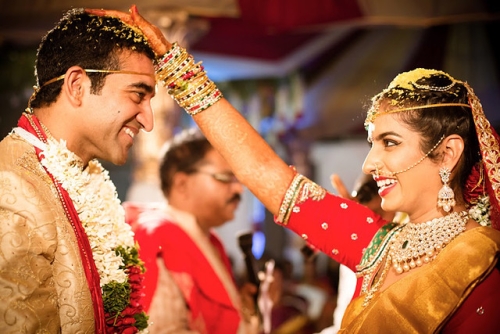
10 Inspiring Insights for Cultural & Traditional Weddings: A Powerful Guide for Couples
Introduction to Cultural & Traditional WeddingsCultural & Traditional Weddings are deeply rooted in a community’s history, belief systems, and values. Unlike modern minimalist ceremonies, these weddings highlight storytelling through rituals, music, attire, and symbolic gestures that have been passed down for generations.
These ceremonies remind us that marriage isn’t only about two people it’s about families, ancestors, and shared identity. From vibrant African celebrations to serene Japanese unions, every culture brings its unique expression of love.
Historical Significance of Cultural Marriage TraditionsTraditional weddings have long served as social anchors within communities. Historically, marriage rituals symbolized:
Family alliances
Social responsibility
Community unity
Continuation of lineage
For example, ancient Hindu scriptures describe marriage as a sacred union predestined by past lives, while medieval European societies viewed weddings as vital for political alliances.
As globalization expands, many communities actively work to preserve their cultural identity through these wedding practices.
Symbolism and Rituals Across Wedding CustomsWeddings across cultures often share universal symbols unity, purity, prosperity, and harmony. Here are common symbolic rituals:
Sand and Rope CeremoniesSymbolize blending two families into one.
Fire RitualsUsed in Hindu and Zoroastrian weddings to signify purity and divine blessings.
Blessings with WaterSeen in Thai and African traditions, representing cleansing and new beginnings.
Gift ExchangesSymbolize respect, prosperity, and unity between families.
Traditional Attire and its Cultural ImportanceTraditional wedding attire reflects identity, values, and social heritage. Here are some iconic examples:
Indian Brides: Wear richly embroidered lehengas or sarees in red, symbolizing prosperity.
Chinese Brides: Wear qipao or qun kwa, often decorated with golden dragons and phoenixes.
African Brides: Use Ankara, Kente, or Shweshwe fabrics representing family lineage.
Japanese Brides: Wear a pure white shiromuku kimono symbolizing purity.
These garments are more than fashion they are cultural statements passed down through history.
Popular Cultural Wedding Customs Around the WorldIndian WeddingsKnown for multi-day celebrations including the Haldi, Mehndi, and Sangeet.
African WeddingsFull of dance, ancestral blessings, and vibrant attire.
Chinese WeddingsFocused on honoring parents, tea ceremonies, and prosperity rituals.
Middle Eastern WeddingsFeature henna nights, Zaffa parades, and elaborate feasting.
Western WeddingsInclude vows, rings, and symbolic religious traditions.
Modern Fusion in Cultural & Traditional WeddingsToday’s couples often blend old and new—mixing traditional attire with modern décor, combining ceremonies, or including multicultural rituals.
This inclusion strengthens family bonds while allowing couples to represent both partners’ identities.
Family Roles and Community InvolvementTraditional weddings rely heavily on family participation:
Matchmaking (in some cultures)
Blessings from elders
Community feasting
Gift exchanges
Ritual guidance
Family involvement turns the wedding into a collective celebration of unity and heritage.
Cultural Wedding Foods and FeastsFood plays a major role in traditional weddings. Examples include:
Italy: Tasting menus with local meats, cheeses, and wines
India: Multi-course vegetarian feasts
China: 8–10 course banquets symbolizing prosperity
Africa: Communal dishes like Jollof rice or injera
Music, Dance, and Traditional PerformancesCultural weddings often include:
Drumming
Folk songs
Line dances
Community chants
Live instrumental music
Religious Traditions in Cultural WeddingsFaith plays a major part in many cultural ceremonies:
Christian weddings involve vows, hymns, prayers.
Islamic weddings emphasize the Nikah contract and blessings.
Jewish weddings include the ketubah signing and breaking of the glass.
Hindu weddings revolve around sacred fire rituals and mantras.
Planning a Cultural & Traditional WeddingCouples should prepare:
✔️ Rituals Checklist✔️ Attire Selection✔️ Venue Coordination✔️ Elders’ Role✔️ Cultural Performers✔️ Traditional Food CateringCultural Wedding Etiquette for GuestsGuests should:
Dress respectfully
Follow photography rules
Avoid interrupting rituals
Participate when invited
Bring culturally appropriate gifts
Budgeting for a Traditional WeddingCultural weddings may include:
Multi-day events
Traditional attire
Musicians or dancers
Ceremonial items
It’s best to prioritize what carries the most meaning for your families.
Photography & Videography TipsPhotographers should capture:
Rituals
Attire details
Emotions
Blessings
Community interactions
Performances
They preserve heritage, celebrate identity, and strengthen family unity.
2. Can couples mix traditions from different cultures?Absolutely! Fusion weddings are becoming more popular.
3. Are cultural weddings more expensive?Not always. Costs depend on scale, attire, and ceremony length.
4. What should guests wear to a traditional wedding?Respectful clothing that aligns with the cultural dress code.
5. How long do cultural weddings last?Some last a few hours, while others continue for several days.
6. Why is food so important in traditional ceremonies?Because it symbolizes abundance, unity, and celebration.
ConclusionCultural & Traditional Weddings are living expressions of love, identity, and heritage. They honor the past while blessing the future, reminding us that marriage is not only a union of two people but a celebration of family, community, and culture.